How to Choose the Right Lumens for Solar Street Lights?

Time:2026-06-01 Author:Ethan
0%

Choosing the right lumens for solar street lights is crucial for effective outdoor lighting. The right brightness ensures safety and visibility in public spaces. Solar street lights come with different lumen outputs, which can affect their performance significantly.

Understanding how to choose the right lumens for solar street lights involves several factors. First, consider the area that needs illumination. Wide, open spaces may require higher lumens compared to narrow paths. The height of the light poles also plays a role. Taller poles can spread light over a larger area but may need more lumens to achieve the desired effect.

It's easy to overlook how local conditions can impact lighting needs. Weather, surrounding structures, and the type of activity taking place can alter the ideal lumen requirement. Therefore, reflecting on specific situations is vital. Not every setting is the same, and what works in one area may not in another. Balancing brightness and efficiency is essential for optimal outcomes. This knowledge empowers you to make informed decisions and ensure safe, effective lighting solutions.
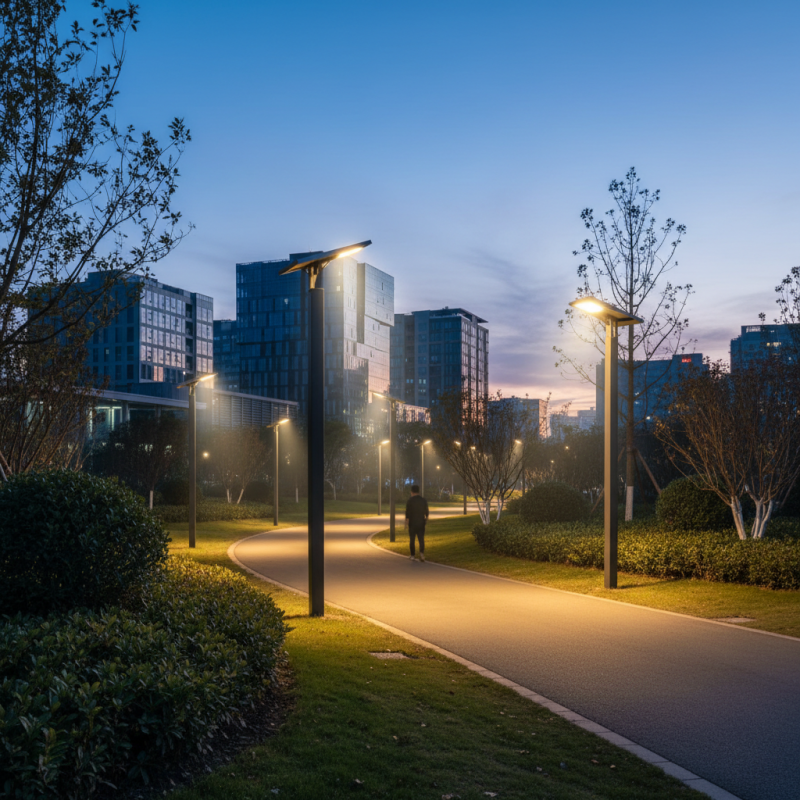
How to Choose the Right Lumens for Solar Street Lights?

Understanding Lumens: Definition and Importance in Lighting

When selecting the right lumens for solar street lights, understanding lumens is crucial. Lumens measure the total amount of visible light emitted by a source. This measurement helps gauge a light's brightness. A higher lumen rating indicates a brighter light. For streets, adequate lighting ensures safety and visibility at night.

Choosing the right lumens depends on various factors. Consider the area that needs lighting and its purpose. Parks may need fewer lumens than busy intersections. Yet, it's common to select overly bright lights thinking more lumens equals better safety. However, excessive brightness can cause glare, creating a less safe environment.

Moreover, the layout of the area can complicate this further. Factors like surrounding buildings and natural light influence illumination needs. Relying strictly on guidelines can lead to mistakes. Thus, it's essential to experiment with lumen levels to find the best fit. Observing the performance of chosen lights in real conditions helps refine the selections. It’s a process of learning and adjusting.

How to Choose the Right Lumens for Solar Street Lights

The chart above illustrates the recommended usage of different lumen levels for solar street lights across various applications. It helps to identify which lumen outputs are most common based on specific criteria and needs, ensuring appropriate visibility and energy efficiency.

Factors Influencing Lumens Selection for Solar Street Lights

Choosing the right lumens for solar street lights is crucial for effective lighting. Several factors influence the selection process, significantly affecting visibility, safety, and energy efficiency. The area size matters. A larger space requires more lumens to ensure adequate illumination. Also, consider the height of the lamps. Higher installations often need more output to maintain brightness on the ground.

Neighborhood activity can impact your choice. Busy streets may need higher lumens for safety. Conversely, quieter streets can do well with lower outputs. Reflect on the expected usage patterns. Do people walk late at night? Increased foot traffic may justify more lumens.

Tips: Assess the surrounding environment too. Trees or buildings can block light, necessitating higher lumens for adequate coverage. Conducting a light level study can guide your decision-making. Don't overlook the importance of local regulations or guidelines, as these can influence your lumens choice. Adapting to these factors will ensure optimal performance of your solar street lights.

Determining Appropriate Lumens Based on Area Size and Usage

Selecting the right lumens for solar street lights depends greatly on the area size and its intended usage. Generally, the brightness level required for a residential area ranges from 100 to 300 lumens per fixture. In contrast, busy urban streets may need up to 800 lumens to ensure safety and visibility.

According to industry data, a typical parking lot may require around 400 to 600 lumens per light. For wider roadways, increasing the brightness is crucial. A 100-foot street might need 2500 to 3500 total lumens. Factors such as vehicle traffic, pedestrian activity, and nearby structures can influence these needs. Lights placed near parks may require less brightness, around 100 to 200 lumens, to create a softer ambiance without disturbing wildlife.

It's important to test various brightness levels in different settings. Gathering feedback from residents or users can provide insights into whether adjustments are necessary. Too much light can lead to light pollution. Conversely, too little light can compromise safety. Striking the right balance is essential for effective illumination.

Comparing Lumens Output: LED vs Traditional Street Lighting Solutions

When it comes to street lighting, the amount of lumens is crucial. LED lights offer a higher lumen output while consuming less energy. This efficiency makes them ideal for modern solar street lights. Traditional street lights, often using sodium vapor or incandescent bulbs, typically emit a lower lumen count. They consume more energy and have a shorter lifespan, which raises maintenance costs over time.

LED lights are brighter and provide better visibility at night. This is essential for security in public areas. Their ability to produce high lumens with lower wattage means they are an eco-friendly choice. However, variability in lumen output can occur based on manufacturing quality. Not all LEDs are created equal. It's helpful to check specifications carefully.

Another aspect to consider is the color temperature of the light. Cooler temperatures can appear brighter and enhance visibility in darker areas. Yet, personal preferences may vary. Some people prefer warmer lights, which can create a more inviting environment. This subjectivity highlights the need for a thoughtful approach when selecting lighting solutions. The goal is to balance brightness, energy efficiency, and overall aesthetics.

How to Choose the Right Lumens for Solar Street Lights? - Comparing Lumens Output: LED vs Traditional Street Lighting Solutions

Lighting Type Lumens per Watt Typical Lumens Output Energy Consumption (W) Lifespan (Hours)
LED 80-100 800-1000 10-12 50,000 - 100,000
High-Pressure Sodium 70-90 700-900 100-400 24,000 - 28,000
Metal Halide 60-90 600-900 175-400 15,000 - 20,000
Fluorescent 35-100 350-1000 15-60 7,000 - 15,000

Adjusting Lumens for Various Environmental Conditions and Applications

Choosing the right lumens for solar street lights can vary based on the setting and purpose. Different environments require distinct lighting levels. For instance, a busy urban street may need higher lumens—around 3000 to 5000—to ensure safety and visibility. In contrast, quieter residential areas could function well with 1000 to 2000 lumens. Too bright can be disruptive, while too dim may pose risks.

Factors like traffic patterns and pedestrian activity must be considered. Urban areas benefit from brightness during peak times, while rural zones require softer lighting for tranquility. Weather conditions also play a role; overcast evenings necessitate brighter lights, while clear nights may allow for dimmer settings. Observing the environment and adjusting lumens accordingly can enhance light effectiveness.

Feedback from users is essential in this process. Gathering insights can reveal if the lighting feels adequate or excessive. Adjustments based on community needs can bridge the gap between ideal and practical. Understanding local dynamics can guide lumens choices for solar street lights effectively. Balancing brightness and energy efficiency is not always straightforward. It's a continuous learning journey.

FAQS

: What is the recommended lumen range for residential areas?

: For residential areas, 100 to 300 lumens per fixture is generally suitable.

How many lumens are needed for busy urban streets?

Busy urban streets may require up to 800 lumens for safety and visibility.

What lumen range is appropriate for typical parking lots?

Typical parking lots should have around 400 to 600 lumens per light.

How does street width influence lumen requirements?

Wider roadways, like a 100-foot street, might need 2500 to 3500 total lumens for proper illumination.

Why is it important to test different brightness levels?

Testing various brightness levels helps ensure safety and minimize light pollution.

How do environmental conditions affect lumen choices?

Factors like weather and time of day influence whether brighter or dimmer lights are needed.

Why is user feedback important in setting lumens?

User feedback can reveal whether the lighting feels adequate or excessive, guiding necessary adjustments.

What happens if the lights are too bright?

Too bright lights can cause disruption and lead to light pollution issues.

What risks come from insufficient lighting?

Insufficient lighting can compromise safety for pedestrians and vehicles.

Is finding the right brightness always easy?

Balancing brightness and energy efficiency can be challenging and requires ongoing reflection.

Conclusion

When considering how to choose the right lumens for solar street lights, it is essential to first understand the definition and significance of lumens in lighting. Lumens provide a measure of brightness, and selecting the appropriate lumens is vital for ensuring adequate illumination in specific areas. Several factors influence this selection, including the size of the area, usage patterns, and the specific needs of the environment.

Additionally, comparing lumens output between LED and traditional street lighting solutions can help in making informed decisions. Adjustments may also be necessary based on varying environmental conditions and applications to guarantee that solar street lights effectively meet the lighting requirements. Overall, evaluating these elements will lead to an optimal lumens choice for enhanced safety and visibility in public spaces.

Ethan

Ethan

Ethan is a seasoned marketing professional with a deep expertise in our company's innovative product line. With a passion for sharing knowledge and insights, he takes the lead in regularly updating our corporate blog, where he explores industry trends, product features, and effective marketing......