As we turn towards sustainable living, many garden enthusiasts seek to upgrade their outdoor spaces. One significant transformation involves using solar power for lighting. According to John Green, a renewable energy expert, "Switching to solar not only saves money, but it also contributes to a healthier planet." With this insight, many people wonder how to convert an old electric garden light to solar power.
The process of conversion can seem daunting. However, with a few essential steps, you can breathe new life into your old garden lights. Begin by gathering necessary materials such as solar panels and batteries. You'll need to dismantle the existing light fixtures carefully. It is crucial to ensure the compatibility of new parts with the old design. This task might reflect some of your DIY skills, requiring patience and precision.
Embracing solar technology doesn't just enhance your garden; it provides a sense of accomplishment. However, mistakes can occur during the conversion process. It's essential to reflect on your progress and learn from any missteps. Step forward into a sustainable future with knowledge and creativity as your guiding lights.
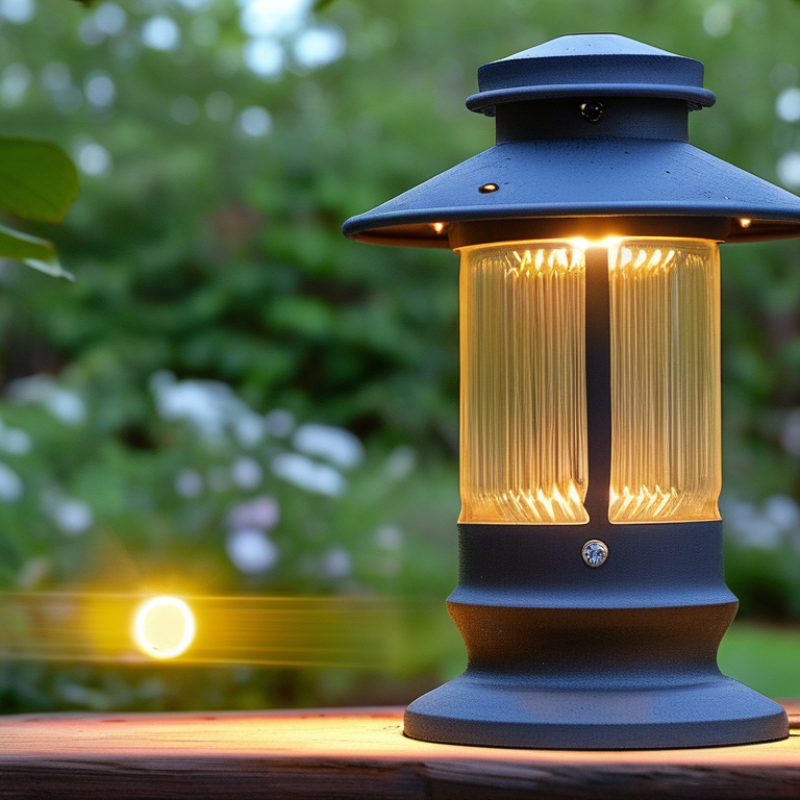
Top Benefits of Converting Electric Garden Lights to Solar Power
Converting electric garden lights to solar power offers numerous benefits. First, the switch to solar energy can significantly reduce your electricity bills. According to the U.S. Department of Energy, solar energy can decrease energy costs by up to 60%. This makes home and garden lighting more cost-effective over time.
Using solar-powered lights also has a positive environmental impact. Studies show that solar energy usage reduces carbon emissions by over 70% compared to traditional electric systems. This shift not only benefits personal budgets but also contributes to a greener planet. Solar lights harness sunlight, which is a renewable energy source.
Moreover, maintenance is simpler with solar lights. They typically have fewer components and often require only occasional cleaning. Electric lights, on the other hand, may need wiring repairs or bulb replacements. While solar lights do have limitations, such as performance on cloudy days, thoughtful placement can enhance their effectiveness. It's essential to consider both advantages and challenges when making this transition.
Essential Tools Required for Converting Electric to Solar Garden Lights
Converting old electric garden lights to solar power can be a rewarding DIY project. To start, you will need several essential tools. A screwdriver set is crucial for removing old components. Make sure to have wire cutters and strippers handy. These will help you manage the wiring effectively. A soldering iron may come in handy if you need to connect new solar components securely.
You'll also need a multimeter to test voltage and ensure proper electrical connections. Safety gloves are important, too, as they protect your hands while working. A small, sturdy table or workbench provides a suitable space for your tools and parts. Having zip ties can help with organizing wiring neatly.
Expect some challenges during this process. It may take time to get comfortable with the wiring. Testing connections repeatedly can be frustrating. However, this project provides a hands-on learning experience. Working with different materials can lead to unexpected discoveries about solar technology. Embrace the imperfections, and you'll find satisfaction in transforming your garden lights into a sustainable source of energy.
Step-by-Step Guide to Disassembling Old Electric Lighting Units
Transforming old electric garden lights into solar power units can significantly reduce energy costs. A recent report by the Solar Energy Industries Association indicates that solar power has grown by 167% in the past decade. With the right approach, you can contribute to this green trend by repurposing your old lights.
Start by disassembling your electric lighting unit. Use a screwdriver to remove the screws securing the cover. You may encounter rust or dirt. Carefully clean the components to avoid damage. Once the cover is off, disconnect the power wires. Make sure to check for any exposed wires here, as they can pose risks.
Next, source solar cells that fit in the space available. Measure the area precisely. You might need to manipulate the casing slightly to accommodate new components. Haphazard assembly can lead to failures, like poor charging or light performance. Testing connections before finalizing everything is crucial. These small steps ensure longevity and reliability for your new solar-powered lights.
Choosing the Right Solar Panels for Your Garden Light Conversion
When converting old electric garden lights to solar power, choosing the right solar panels is crucial. The solar industry has grown significantly, with solar energy systems projected to reach a market size of $422 billion by 2025 (Research and Markets). This growth emphasizes the importance of selecting efficient solar panels tailored for your specific garden light needs.
Look for solar panels with at least 15% efficiency. Higher efficiency panels will charge faster, providing ample energy to power your lights at night. Solar panel wattage also matters. For garden lights, panels around 5 to 10 watts are typically sufficient. They’re compact and can easily fit within your design.
Consider the durability of the panels. Weather-resistant materials ensure longevity. According to the Solar Energy Industries Association (SEIA), panels can last 25 years or longer, making them a reliable choice for your garden.
It’s wise to think about placement. Make sure the panels receive full sunlight exposure for optimal performance. Shade can drastically reduce efficiency, leaving your lights dim on cloudy nights. Testing different locations might lead to better results. Listen to feedback from your installation efforts, and adjust as necessary. This reflection can help fine-tune your solar garden lights to shine brightly every evening.
Top 10 Tips to Convert Old Electric Garden Lights to Solar Power
Safety Considerations When Modifying Electric Garden Lights to Solar
Modifying electric garden lights to solar power can enhance sustainability. However, safety must always be prioritized during this process. According to recent studies, improper electrical modifications can lead to hazards, including short circuits and fire risks. It is crucial to disconnect power sources before beginning any alterations to minimize electrical shock risks.
Using proper tools and materials is essential. Electrical components must be durable and compatible with solar technology. Ensure that wiring is correctly insulated to prevent accidental exposure. Data indicates that improper insulation accounts for over 25% of home hazards related to lighting systems. Always double-check connections and consider using circuit testers for added safety.
After converting your lights, observe their performance regularly. Solar lights should recharge fully each day. If they malfunction or fail to operate, revisit your modifications. Documentation from energy safety organizations suggests that ongoing maintenance is vital for continued safety and effectiveness. Additionally, look for signs of wear or damage on solar panels and wiring. Ignoring these issues could lead to larger safety concerns down the line.
FAQS
: Essential tools include a screwdriver set, wire cutters, wire strippers, and a soldering iron.
A multimeter tests voltage and ensures proper electrical connections for safety and effectiveness.
Always disconnect power sources to avoid electrical shock. Wear safety gloves to protect your hands.
Clean components carefully to avoid damage. Inspect all parts before proceeding with the conversion.
Haphazard assembly may cause failures like poor charging or inconsistent light performance.
Test connections before finalizing, use durable parts, and regular performance checks are necessary.
Proper insulation is crucial; over 25% of lighting hazards arise from improper wiring insulation.
Revisit your modifications and check for issues. Document signs of wear for safer operation.
Getting comfortable with wiring and testing connections can be frustrating for many.
Regular checks help prevent larger safety concerns and ensure effective operation of your lights.
Conclusion
Converting old electric garden lights to solar power is a sustainable and cost-effective way to enhance your outdoor space. In the article "Top 10 Tips to Convert Old Electric Garden Lights to Solar Power," the top benefits of such a conversion are highlighted, including energy savings, environmental impact, and increased convenience. To successfully learn how to convert an old electric garden light to solar power, essential tools needed for the process are outlined, along with a step-by-step guide to disassemble the existing electric units.
Choosing the right solar panels is crucial for optimal performance, and safety considerations are emphasized to ensure a secure transformation. By following these guidelines, you can give your garden lights a new life while contributing positively to the environment.

 Zeteo Light