Solar outdoor lights are a popular choice for homeowners looking to illuminate their gardens and pathways. However, many users ask, "why do solar outdoor lights stop working after rain?" According to industry reports, around 30% of solar light issues are linked to weather conditions. Rain can lead to water damage in poorly sealed units, affecting their performance.
Most solar lights rely on rechargeable batteries that can become compromised after consistent exposure to water. Incorrectly designed lights may allow moisture to seep in, leading to corrosion and malfunction. Raw data indicates that weatherproofing is critical; about 80% of customers report needing repairs after heavy rains.
This raises a significant question: How can we better maintain these systems? Understanding the design flaws and environmental factors can help improve longevity. Regular inspections and maintenance can make a difference, although it’s often overlooked. Ultimately, investing in quality products is essential for reliable outdoor lighting solutions.
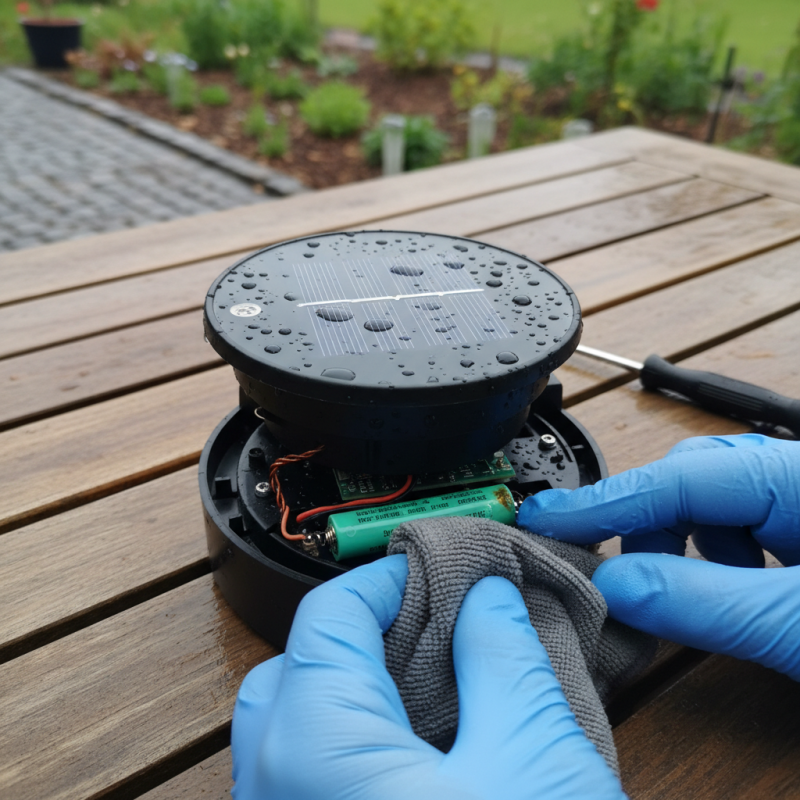
Rainy weather can expose common issues with solar outdoor lights. One frequent problem is water ingress. If moisture enters the light’s casing, it may lead to short circuits. Check for cracks or loose seals around the casing. Even small openings can let in water.
Another issue often seen is the degradation of the solar panel. Rain can wash away dirt and debris but may also lead to corrosion on the panel. Inspect the panel for signs of wear. Ensure that it faces the sun for optimal charging. Sometimes, repositioning the panel can solve the issue.
Batteries can be affected too. They're designed to withstand some moisture but prolonged exposure to water can reduce their lifespan. If you notice your lights flickering or dimming, the batteries might need replacement. Look for quality products to ensure longevity. Regular maintenance helps identify these problems early.
: Inspect the solar panel for cracks and moisture buildup. Check the battery compartment for rust and corrosion.
Replace the corroded parts immediately. This fix is often simple and can restore functionality.
Use a soft cloth to gently clean it. Removing dirt helps sunlight reach the panel for better charging.
Remove the battery and inspect it. If damaged, consider replacing it or testing its voltage with a multimeter.
Regularly inspect your setup for frayed wires and seal battery compartments. Move lights to drier locations if needed.
Regular checks can prevent future issues and extend the life of your solar lights. Small changes can lead to big improvements.
Start by checking the solar panel and battery. Clean them and look for any damaged components.
Ensure they are angled toward sunlight and free from obstructions like plants and furniture. Regular adjustments may help.
Moisture can cause batteries to degrade quickly. Always check for corrosion and consider replacing old batteries regularly.
Yes, wipe surfaces with a damp cloth and check the battery compartment periodically to keep everything in working order.
Solar outdoor lights can stop functioning after rainfall, and understanding "why do solar outdoor lights stop working after rain" is crucial for effectively addressing this issue. Common problems include water entering the fixtures and damaging the internal components, which can lead to malfunctions. It's important to check for signs of water damage, test the battery and solar panel functionality, and ensure that these elements are operating correctly.
Regular cleaning and maintenance of solar light fixtures can help prevent buildup that might impede their performance. Additionally, implementing preventive measures, such as using waterproof seals and placing lights in sheltered locations, can protect against rain damage. By taking these steps, you can ensure your solar outdoor lights continue to function reliably even after wet weather.

 Zeteo Light