Why Are My LED Street Lamps Dimming Over Time?

Time:2026-06-10 Author:Liam
0%

LED street lamps have become a popular choice for public lighting due to their energy efficiency and long lifespan. However, many users notice a concerning trend: why are my LED street lamps turning dim over time? This phenomenon prompts important questions about the durability and performance of these fixtures.

Several factors contribute to the dimming of LED street lamps. One key element is heat accumulation, which affects their brightness and longevity. Furthermore, manufacturing defects can also play a role in their declining lumens. Road conditions and environmental exposure may lead to premature wear, impacting overall performance.

Recognizing the reasons behind dimming can help cities and maintenance crews make informed decisions. It leads to necessary reflections on installation practices, maintenance routines, and the selection of quality components. Addressing these issues not only improves visibility but also enhances public safety.
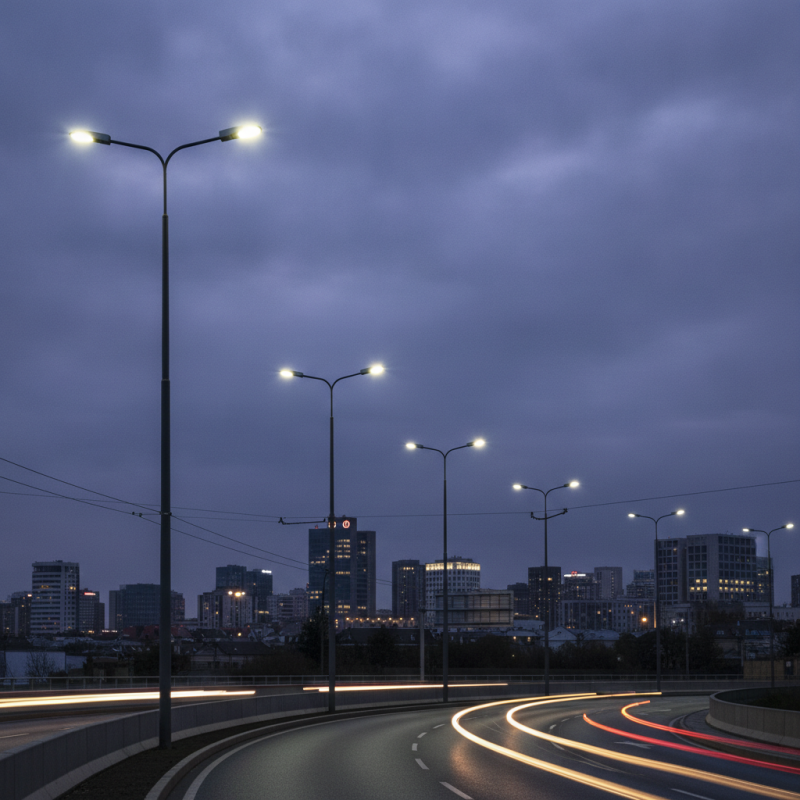
Why Are My LED Street Lamps Dimming Over Time?

Understanding the Basics of LED Technology in Street Lamps

LED technology has transformed street lighting, offering energy efficiency and longevity. These lamps are designed to last for years, yet some users notice dimming over time. This phenomenon raises questions about their performance and reliability. Understanding the basics can illuminate why this happens.

The light output of LED street lamps can decrease for a few reasons. Heat accumulation is a significant factor. Excessive heat can affect the LED's components, leading to reduced brightness. The quality of the materials used in the lamp also plays a crucial role. Poor-quality LEDs may dim faster than expected. This can be frustrating for communities that rely on proper street lighting for safety.

Additionally, environmental factors contribute to the dimming process. Dust, grime, and moisture can accumulate over the lamp's surface. This buildup hinders light output and can give the illusion of fading brightness. Regular maintenance is essential to combat this issue. It's not always easy for municipalities to keep up with cleaning schedules. This may lead to a perception of failure in the technology. Understanding these aspects can help users manage expectations regarding LED street lamp performance.

Common Causes of Dimming in LED Street Lamps Over Time

LED street lamps are known for their efficiency and longevity. However, over time, many users notice that these lights dim. Understanding the common causes can help mitigate this issue.

One primary factor for dimming is thermal management. LED lights generate heat during operation. Poor heat dissipation can lead to reduced light output. According to a report by the Department of Energy, up to 30% of LED performance can degrade due to inadequate thermal management. This loss compromises not only brightness but also lifespan.

Another contributor is electrical issues. Fluctuations in voltage can cause LEDs to operate suboptimally. A study indicated that operating below the recommended voltage can lower efficiency for LED street lamps by nearly 15%. Inconsistent power supply can lead to unpredictable performance and premature aging.

Environmental factors also play a significant role. Dust, dirt, and even moisture accumulation can lead to lens discoloration. Reports show that maintenance neglect can reduce light output by up to 20%. Regular cleaning and inspections are crucial for optimal performance. Addressing these issues thoroughly can enhance the reliability of LED street lamps while extending their operational life.

The Impact of Heat on LED Performance and Longevity

LED street lamps face significant performance challenges due to heat exposure. As temperatures rise, the cooling efficiency of these fixtures decreases. Industry reports indicate that high heat can reduce LED lifespan by as much as 50%. This effect is linked to thermal degradation of components, which leads to dimming over time.

The lifespan of an LED is typically rated at around 50,000 hours. However, elevated temperatures can accelerate lumen depreciation. For instance, a study from the Department of Energy found that operating temperatures above 85 degrees Fahrenheit can lead to a stark decline in light output. The heat causes internal drivers and diodes to wear out faster than expected, impacting overall performance and brightness levels.

Proper thermal management is crucial for maximizing LED street lamp efficiency. Heat sinks and appropriate fixture design can help release built-up heat. However, some installations neglect these factors, resulting in premature dimming. This highlights the need for ongoing evaluation of LED systems in urban environments. Acknowledging these heat-related challenges can guide municipalities in making more informed decisions about their lighting infrastructure.

Why Are My LED Street Lamps Dimming Over Time? - The Impact of Heat on LED Performance and Longevity

Issue Cause Effect on LED Mitigation Strategies
Dimming Over Time Heat Accumulation Reduced Light Output Improved Heat Dissipation Designs
Color Shift Increased Temperature Change in Color Spectrum Use Heat-Resistant Materials
Shorter Lifespan Operating Temperature Too High Increased Failure Rate Regular Maintenance and Monitoring
Flickering Voltage Fluctuations Inconsistent Light Output Use Voltage Regulators

Evaluating the Role of Power Supply in LED Dimming Issues

Power supply plays a crucial role in the performance of LED street lamps. An inconsistent or inadequate power supply can lead to dimming over time. This issue often arises from voltage fluctuations or insufficient current. When these conditions occur, the brightness of the LED lights may not be optimal. Some street lamps may even flicker as they struggle to maintain stable performance.

Maintaining a steady power supply is essential for longevity. Poor power quality can result in reduced lifespan for LED components. Drivers, which regulate voltage and current, can also fail if power fluctuations are frequent. Repeated stress from unstable supply not only dims lights but complicates maintenance as well.

In some cases, users may overlook the importance of environment. External factors like extreme temperatures can compound power supply issues. If street lamps are subject to harsh conditions, it might exacerbate their dimming. Reflecting on the interaction between power supply and environmental impact is vital. Finding solutions may require more than just changing bulbs or fixtures, as deeper electrical issues could be at play.

Best Practices for Maintenance and Replacement of LED Street Lamps

LED street lamps are increasingly used for their energy efficiency and longevity. However, over time, these lamps may begin to dim. Understanding how to maintain and replace them is crucial for ensuring optimal performance. Regular inspections can help identify issues early, like dirt buildup or loose connections. Cleaning the fixtures periodically can enhance light output significantly.

Replacement is essential when lamps show signs of significant dimming. Although LEDs last longer than traditional bulbs, they do wear out. A proactive approach involves tracking the installation dates and setting reminders for checks. Many municipalities lack systems for monitoring lamp performance. This can lead to inefficient lighting and added costs.

Focusing on maintenance can decrease replacement frequency. Staff training in basic troubleshooting is vital. Technical knowledge can help to address minor issues before they escalate. Yet, not every technician might notice dimming caused by underlying electrical problems. It's essential to cultivate a culture of continuous learning and improvement in street light management.

FAQS

: What causes LED street lamps to dim over time?

: Dimming is often due to thermal management issues, electrical fluctuations, and environmental factors.

How does thermal management affect LED performance?

Poor heat dissipation can reduce brightness and lifespan by compromising up to 30% of LED output.

What role does the power supply have in LED dimming?

An inconsistent power supply affects performance, causing flickering and lower brightness.

Can voltage fluctuations impact LED street lamps?

Yes, operating below recommended voltage can lower efficiency by nearly 15%, leading to dimming.

How does maintenance relate to LED street lamp brightness?

Neglecting regular cleaning can reduce light output by about 20%, affecting overall effectiveness.

Are extreme temperatures a concern for LED street lamps?

Yes, harsh environmental conditions can worsen power supply issues, contributing to dimming problems.

What should be done to maintain LED street lamps effectively?

Regular cleaning and inspections are crucial for optimal performance and longevity.

How often do users overlook environmental factors?

Many users may not consider environmental impacts, which could worsen dimming over time.

What should users reflect on regarding dimming?

Users should consider the relationship between power supply quality and environmental conditions for potential solutions.

Can simply changing bulbs fix dimming issues?

No, deeper electrical problems may exist, requiring thorough evaluation beyond just bulb replacement.

Conclusion

The article titled "Why Are My LED Street Lamps Dimming Over Time?" explores the fundamental aspects of LED technology as it applies to street lighting. It delves into common reasons for the gradual dimming of LED lamps, such as age, environmental factors, and inherent design characteristics. One significant factor discussed is the impact of heat on LED performance, which can significantly shorten the lifespan of the lamps if not properly managed.

Additionally, the article evaluates how power supply issues can contribute to dimming over time. It concludes with best practices for the maintenance and timely replacement of LED street lamps, helping to ensure optimal performance and longevity. Understanding these elements can assist in addressing concerns related to why are my LED street lamps turning dim over time and promote effective management strategies for urban lighting systems.

Liam

Liam

Liam is a dedicated marketing professional with a profound expertise in the industry, where he excels at highlighting the unique advantages of our core products. With a keen understanding of market trends and consumer needs, Liam frequently updates our company’s professional blog, providing......