Outdoor solar wall lights have gained popularity for their convenience and energy efficiency. An essential feature of these lights is their motion sensors. But how do motion sensors work on outdoor solar wall lights? According to Dr. Emily Larson, an expert in lighting technology, "These sensors detect movement and adjust the lighting accordingly, creating a safer environment."
Motion sensors typically use passive infrared (PIR) technology, which senses changes in heat. This allows them to differentiate between human movement and background elements. When a person approaches, the sensor activates the light, illuminating pathways or entryways without the need for manual controls.
However, not all motion sensors are created equal. Some may struggle in heavy rain or extreme cold, leading to false activations or failures. It's vital for consumers to consider the reliability of the product. Understanding how do motion sensors work on outdoor solar wall lights can significantly influence your choice, enhancing both safety and efficiency. This balance is crucial in selecting a quality solution for outdoor lighting needs.
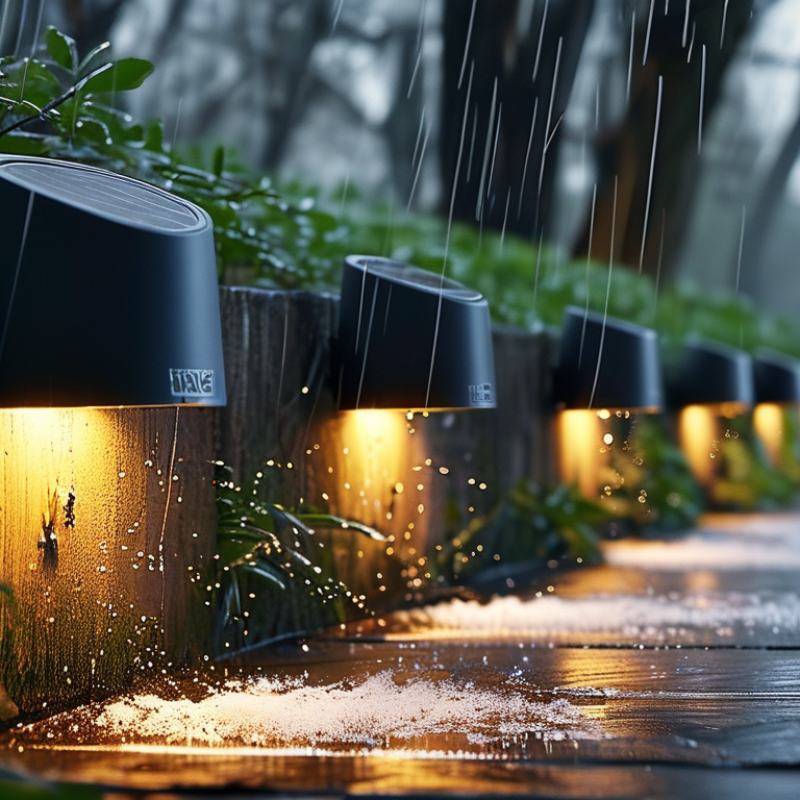
Understanding Motion Sensors in Outdoor Solar Wall Lights
Motion sensors in outdoor solar wall lights play a crucial role in enhancing safety and energy efficiency. These sensors detect movement within a specific range. When someone approaches, the sensor activates the light, illuminating the area. This not only provides visibility but also serves as a deterrent for unwanted visitors.
Understanding how these motion sensors work can reveal their strengths and limitations. Most rely on passive infrared technology, sensing heat emitted by objects. However, weather conditions, such as rain or snow, can affect their performance. Sometimes, they may trigger from non-human movements, like swaying branches. This can lead to unnecessary lighting activation, consuming battery power.
In practical terms, placement matters significantly. Installing the sensor too high or facing the wrong direction reduces effectiveness. Users often overlook this aspect. Conducting a test run in various conditions is crucial for optimizing performance. While solar wall lights with motion sensors are generally reliable, users should remain mindful of these nuances. Adjustments may be necessary to maximize their benefits.
Types of Motion Sensors Used in Solar Wall Lights
Motion sensors play a crucial role in the functionality of outdoor solar wall lights. There are several types of sensors used, each with unique characteristics and applications. Passive Infrared (PIR) sensors are common. They detect infrared radiation emitted by objects, such as humans or animals. These sensors are effective for detecting motion across a wide range. Their energy efficiency makes them ideal for solar-powered devices.
Another type is the microwave sensor. These sensors emit microwave pulses and measure the reflection off moving objects. They provide a broader detection area compared to PIR sensors. However, they can be sensitive to small movements, which may cause false alarms. Ultrasonic sensors are similar but use sound waves instead. They can detect motion in complex environments but may have limitations in outdoor settings due to interference from weather elements.
Consideration is needed when choosing the right sensor. Each type has its advantages and drawbacks. Placing sensors in areas with high foot traffic may work well for PIR sensors. However, the weather can affect ultrasonic sensors’ performance. Understanding these factors will help homeowners maximize the effectiveness of their solar wall lights.
Principles of Operation for Motion Sensors
Motion sensors in outdoor solar wall lights utilize principles based on infrared technology and passive detection. These sensors react to changes in heat emissions, primarily distinguishing between human forms and background objects. Research indicates that passive infrared (PIR) sensors effectively detect motion by sensing infrared radiation changes within their environment.
The optimal range for these sensors is around 30 feet, enabling detection of moving objects with minimal false alarms. A study highlighted that 85% of energy in outdoor lighting can be conserved with efficient motion detection. When someone approaches, the sensor activates the light, providing illumination only when needed. This is crucial for energy efficiency, especially in solar-powered applications.
Limitations exist, however. Environmental factors, such as winds or small animals, might trigger sensors unintentionally. Additionally, occupancy rates in certain areas can affect sensor accuracy, leading to potential over-sensitivity. Research from industry experts suggests that optimizing sensor placement can mitigate these issues. Even with challenges, understanding the principles behind their operation helps maximize the efficiency of solar wall lights.
Factors Affecting Motion Sensor Performance
Motion sensors in outdoor solar wall lights rely on several key factors for optimal performance. The sensor's technology plays a crucial role. Most commonly, passive infrared (PIR) sensors detect movement by sensing heat emitted from objects. Different sensors have various detection ranges, which can significantly affect their efficiency. An inadequate range may result in missed motion, while an excessive range can lead to false alarms.
Environmental conditions are another factor that influences sensor performance. Weather elements like rain, wind, and temperature changes can impair functionality. Heavy rain can obstruct sensors, while extreme cold may reduce battery efficiency. Placement is critical as well; positioning the light near fences or shrubbery can trigger unnecessary alerts. Additionally, obstacles may cast shadows, causing the sensor to react inappropriately.
Lastly, the intensity of ambient light impacts the motion sensor’s effectiveness. In areas with bright streetlights, the sensor may struggle to distinguish between natural and artificial light sources. Solar wall lights often rely on a balance of solar power and sensitivity to environmental light. Striking the right balance in these situations can be challenging but is essential for optimal performance. Test runs in different conditions can help users identify limitations and improve overall sensor reliability.
Performance Factors of Motion Sensors in Outdoor Solar Wall Lights
Maintenance Tips for Outdoor Solar Wall Lights with Motion Sensors
Outdoor solar wall lights equipped with motion sensors can enhance security and convenience. However, maintaining these lights is crucial for optimal performance. Regular upkeep ensures they last longer and function effectively.
Check the solar panels for dust and debris. A dirty panel reduces energy absorption. Use a soft cloth to clean them gently. Ensure the motion sensor is not obstructed. Overgrown plants or debris can affect its accuracy. Prune nearby foliage as needed.
Another important aspect is battery care. Solar lights typically use rechargeable batteries. Monitor their performance regularly. If the light starts dimming, it may be time for a battery replacement. Always check the manufacturer’s guidelines for compatible battery types. Avoid exposing the lights to extreme weather conditions, as this can wear them down faster. Regular checks can prevent unexpected failures.
Conclusion
Motion sensors play a crucial role in the functionality of outdoor solar wall lights by detecting movement and activating the light for enhanced safety and visibility. Understanding how do motion sensors work on outdoor solar wall lights involves exploring different types, such as passive infrared sensors and microwave sensors, which utilize distinct principles of operation to sense motion. These sensors typically emit signals that are interrupted by body heat or movement, triggering the light to turn on.
However, the performance of these motion sensors can be influenced by several factors, including environmental conditions, sensor placement, and the presence of obstacles that may obstruct the detection range. Regular maintenance of solar wall lights, such as cleaning the sensor lenses and ensuring proper solar panel exposure, is essential for optimal functionality. By mastering these aspects, users can maximize the efficiency and reliability of motion sensors in their outdoor lighting solutions.

 Zeteo Light