Solar street lights are becoming increasingly popular due to their eco-friendliness and energy efficiency. However, questions arise about their performance in adverse weather conditions. One common concern is what happens to solar street lights during consecutive rainy days. These lights rely on solar panels to harness sunlight, converting it into electrical energy.
During heavy rains, solar panels may struggle to generate adequate power. Covered by water droplets, their efficiency decreases. This can lead to dim lighting or complete shutdowns, especially if the rainy period lasts several days. Additionally, prolonged exposure to rain might affect battery performance. If not properly designed, batteries can suffer from corrosion, limiting their lifespan.
While many solar street lights have protective features, not all are built the same. Some may fail to endure extended rainy spells. Therefore, it is crucial to select high-quality solar street lights that can perform reliably under varying weather conditions. Understanding how these factors interact can help users make informed decisions and improve infrastructure planning.
Impact of Heavy Rain on Solar Street Light Functionality
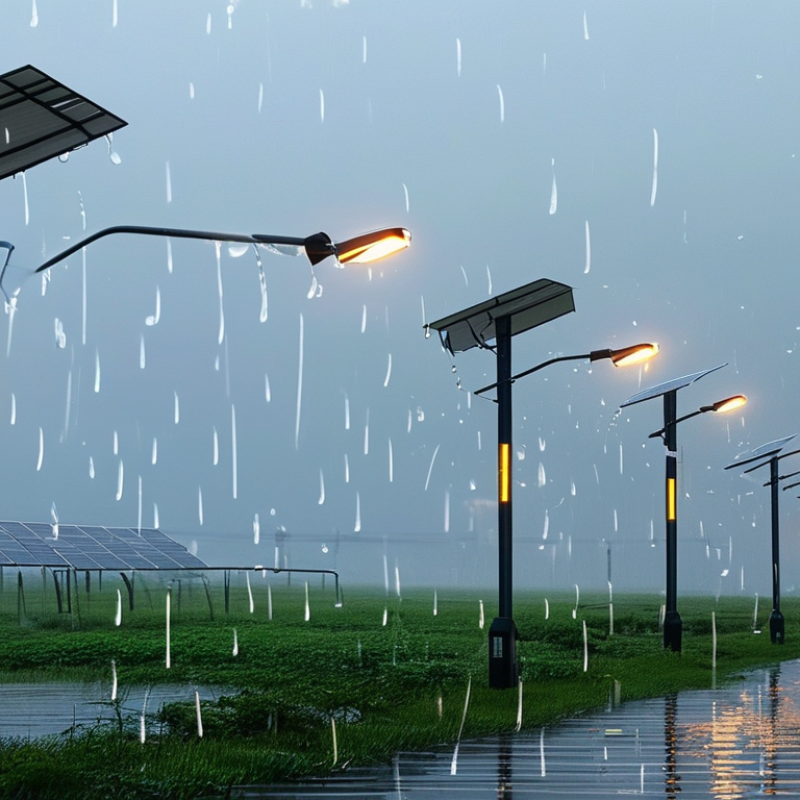
Heavy rain can significantly impact the functionality of solar street lights. These lights rely on solar panels to gather energy during the day. When heavy rains occur, they may obscure the panels, reducing their ability to capture sunlight. This leads to potential power shortages, affecting illumination during the night.
Additionally, prolonged exposure to moisture poses risks to electrical components. Water can seep into enclosures, leading to corrosion or short-circuiting. While many solar street lights are designed to withstand some moisture, the intensity of heavy rain may reveal weaknesses in their construction. Manufacturers often claim weather resistance, but real-world conditions can vary widely, sometimes revealing flaws.
It is crucial to consider these factors in planning solar street light installations. Areas with high rainfall may need systems with robust waterproofing and backup energy sources. Regular maintenance can help identify potential issues before they become significant problems. Local environmental conditions should always play a role in the selection of technology for outdoor lighting solutions.
Waterproofing Features in Solar Street Light Design
In regions with heavy rainfall, solar street lights can face significant challenges. The effectiveness of these systems depends heavily on their waterproofing features. Research indicates that proper waterproofing can enhance the longevity and functionality of solar street lights. According to a report by the International Renewable Energy Agency (IRENA), effective waterproof ratings are essential for outdoor fixtures.
Most solar street lights utilize IP (Ingress Protection) ratings to indicate their resistance to water and dust. Lights with an IP65 rating can withstand water jets, making them suitable for heavy rain. Conversely, those with lower ratings may suffer from moisture damage, leading to functional failures. It’s crucial for manufacturers to prioritize these features in their designs.
Despite advancements, not all models are created equal. Some may claim high waterproof ratings but fall short in real-world tests. Consumers should look for products that have undergone stringent testing. Feedback from users often reveals that even minor leaks can cause significant performance issues. This reflects a need for ongoing innovation and testing in the solar street light industry.
Role of Battery Storage Systems During Rainy Conditions
Rainy days can present challenges for solar street lights. However, battery storage systems play a crucial role in maintaining their efficiency during such conditions. When the sun hides behind gray clouds, solar panels produce less energy. This reduced output can lead to questions about reliability.
Battery storage systems are essential. They store energy generated on sunny days for use when needed. This energy supply ensures that lights remain operational, even during prolonged rain. A well-designed battery can hold enough power to sustain lighting for several nights. Proper management of these batteries is vital; they must be charged correctly to maximize their lifespan.
Despite advancements, limitations exist. Heavy rains can lead to longer periods without sunlight. If the battery is not fully charged beforehand, street lights may dim or fail. Maintenance is crucial. Regular checks on battery health can prevent unexpected outages. There is always room for reflection on how to improve these systems, ensuring they function flawlessly in all weather conditions.
What Happens to Solar Street Lights in Heavy Rainy Days? - Role of Battery Storage Systems During Rainy Conditions
| Parameter |
Description |
Impact During Heavy Rain |
Battery Storage Performance |
| Solar Panel Efficiency |
The effectiveness of solar panels in converting sunlight into electricity. |
Reduced due to cloud cover and rain. |
Could lead to lower charging rates. |
| Battery Capacity |
The total electric energy that the battery can store. |
Remains unaffected but not fully utilized during rainy conditions. |
Critical for maintaining light output. |
| Charging Time |
Time required for the batteries to charge fully from solar energy. |
Increased due to less sunlight. |
May necessitate a longer timeframe to ensure full capacity. |
| Runtime of Lights |
Duration for which the street lights remain operational on a single charge. |
May shorten if charging is insufficient. |
Depends heavily on the battery's condition and charge level. |
| Maintenance Needs |
Regular checks and cleaning of solar panels and battery systems. |
Increased due to potential water damage and debris accumulation. |
Batteries should be inspected for water ingress. |
Maintenance Practices for Solar Street Lights Post-Rain
Solar street lights are designed to function in various weather conditions. However, heavy rainfall poses unique challenges that can affect their performance. Water accumulation can lead to malfunctions in the electrical components. A study by the National Renewable Energy Laboratory indicates that moisture intrusion can compromise solar panels and batteries, reducing overall efficiency by up to 30%.
After heavy rainfall, regular maintenance is crucial. Inspecting for water damage should be a priority. Solar panels must be checked for dirt and debris, as these can hinder their ability to gather sunlight. A report by the International Energy Agency suggests that cleaning solar panels post-storm can enhance energy efficiency. Issues such as rust should be addressed promptly, as corrosion can lead to costly repairs over time.
In some cases, the drainage systems around solar lights may be inadequate. Poor drainage can lead to water pooling around the base, affecting stability. Conducting a site assessment can help identify these areas. Furthermore, replacing faulty components immediately can prevent future failures. The consequences of neglecting these maintenance practices can result in diminished street lighting quality and safety hazards for pedestrians.
Environmental Considerations for Solar Street Light Durability
Solar street lights are designed to withstand various weather conditions. However, heavy rainy days can pose significant challenges. Water exposure can lead to issues if the lights are not properly sealed. Inadequate waterproofing might cause internal damage. This risk necessitates thorough environmental testing during design.
Durability is key for solar lights. High-quality materials contribute to resilience against rain and moisture. Some designs include water-resistant casings and drainage systems. These features are essential but not always guaranteed. In some cases, users may find that cheaper options fail during intense weather.
Additionally, the placement of solar lights impacts their longevity. Areas prone to flooding should incorporate elevated installations. Access to sunlight is also important. Insufficient sunlight during overcast days affects the solar panel's efficiency, leading to reduced performance. Therefore, evaluating environmental factors is crucial for optimal functionality.
Impact of Rainfall on Solar Street Light Performance
This chart illustrates the effect of different levels of rainfall on the brightness performance of solar street lights. As rainfall increases, the brightness decreases, highlighting the challenges faced by solar street lights in heavy rainy conditions.
Conclusion
The article titled "What Happens to Solar Street Lights in Heavy Rainy Days?" examines the operational effectiveness of solar street lights during consecutive rainy days. It highlights the significant impact that heavy rainfall can have on the functionality of these lighting systems, particularly focusing on their waterproofing features designed to protect sensitive components. The role of battery storage systems is crucial during such conditions, as they ensure that energy can continue to be harnessed and utilized even when sunlight is scarce.
Additionally, the article discusses essential maintenance practices for solar street lights after periods of rain, emphasizing the importance of regular inspections and upkeep to ensure long-term durability. It also touches upon environmental considerations that affect the resilience of solar street lights, ensuring that they can withstand adverse weather while fulfilling their purpose of providing illumination. Overall, understanding "what happens to solar street lights during consecutive rainy days" is key for optimizing their performance and longevity.

 Zeteo Light