Choosing the right color temperature for solar garden lighting can greatly enhance your outdoor experience. It influences mood, safety, and aesthetics. How to select the right color temperature for solar garden lighting is crucial for achieving your desired ambiance.
The color temperature, measured in Kelvin, affects how a space feels. Warmer tones, around 2700K, create a cozy, inviting atmosphere. Cooler tones, from 5000K up, may evoke a more open feel, resembling daylight. You should consider the surrounding environment. For instance, a garden filled with vibrant flowers may benefit from warmer lighting to enhance its color.
Experimenting with different temperatures can sometimes lead to unexpected outcomes. You might find that a cooler light gives a stark look to your beloved plants. Take time to reflect on how each temperature impacts your space. The decision affects your enjoyment of the garden, and ultimately, your outdoor living experience.
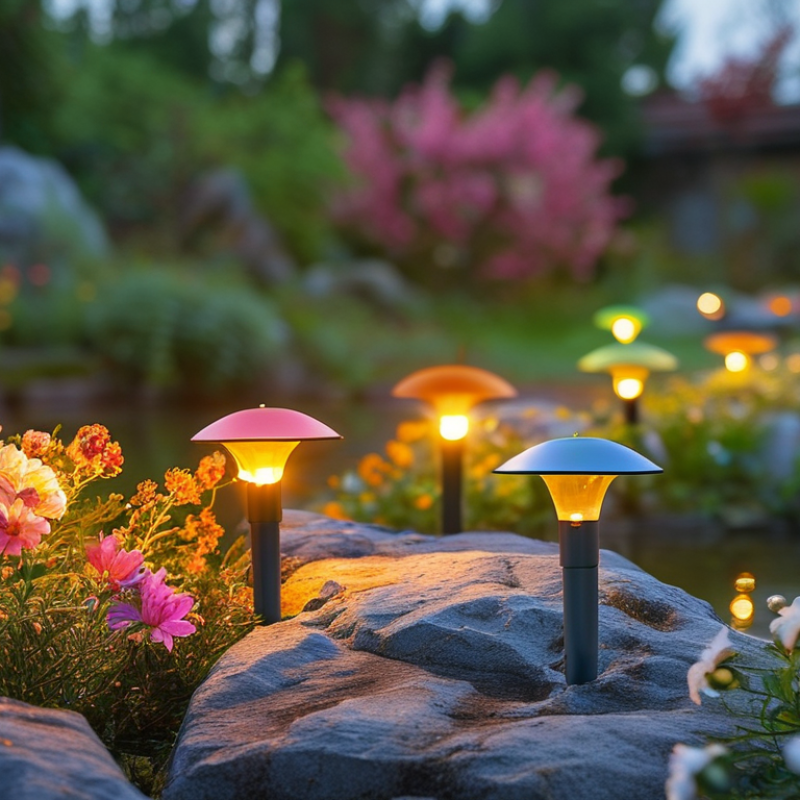
Understanding Color Temperature: What It Is and Why It Matters
Color temperature refers to the hue of light produced by a bulb. It is measured in Kelvin (K). This measurement influences the ambiance of your garden. Warmer colors (2700K-3000K) create a cozy atmosphere. Cooler colors (4000K-6000K) can feel more sterile or vibrant. Understanding this concept matters in selecting the right solar garden lights.
Consider the surrounding elements in your garden. Warmer lights complement plants and flowers beautifully, creating a welcoming feel. If your garden features modern design elements, cooler hues might suit it better. When choosing, envision how the light interacts with your space.
Tip 1: Assess the mood you want to create. Dim lighting can enhance relaxing areas, while brighter tones suit activity zones.
Tip 2: Experiment with different colors. Setting up a few lights at varying temperatures helps visualize your preference.
Tip 3: Think about seasonal changes. A warmer tone might be ideal for autumn but less appealing in summer. Adjusting the color temperature can provide a refreshing change to your garden's appearance.
Choosing the right color temperature isn’t just a decision. It's a reflection of your garden's personality.
Exploring the Different Color Temperatures for Solar Garden Lights
Choosing the right color temperature for solar garden lights can greatly impact your outdoor space.
Color temperature is measured in Kelvins (K), and it defines the visual warmth of light.
Warm white (around 2700K) offers a cozy feel, suitable for intimate gatherings.
In contrast, cool white (around 5000K) can create a vibrant, energetic atmosphere.
According to a report from the Lighting Research Center, warmer color temperatures enhance the aesthetics of gardens.
They can highlight pathways and plants without overwhelming the senses. Conversely, cooler temperatures provide clear visibility, beneficial for safety.
A survey revealed that 65% of homeowners prefer warm lights for patios and gardens.
However, personal preference plays a key role in choosing the right tone.
Some find warm lights relaxing, while others appreciate the clarity of cool lighting. Experimenting with different temperatures can lead to varying moods and environmental factors.
This means the best choice might not be straightforward. It is essential to reflect on how your chosen lighting fits into the overall design and functionality of your space.
Factors to Consider When Choosing Color Temperature for Your Garden
Choosing the right color temperature for solar garden lights can significantly impact your outdoor space. One key factor to consider is the mood you want to create. Warmer tones, like 2700K, evoke a cozy, inviting atmosphere. They are ideal for relaxation areas. In contrast, cooler tones, around 5000K, provide a bright, vibrant feel. This is great for pathways and areas requiring visibility.
Another consideration is the natural elements surrounding your garden. If you have plants and flowers, warmer light can enhance their colors and create a harmonious look. Conversely, cooler light can accentuate modern landscaping styles, making it feel more contemporary.
Think about how seasonal changes affect your garden, too. What looks great in summer might feel different in winter, so flexibility in lighting is essential.
Lastly, think about energy efficiency. The color temperature can affect how you perceive brightness. A 3000K light may seem dimmer than a 5000K bulb even though they use the same wattage. Test different temperatures in small areas before committing fully. It’s all a learning process, so don’t be afraid to experiment. Your garden might surprise you.
Matching Color Temperature with Garden Themes and Plant Types
Choosing the right color temperature for solar garden lights is essential for creating the perfect ambiance. Different plants thrive under various lighting conditions. For instance, warm white light (around 2700K) enhances the softness of flowering plants, making them appear more inviting. This light can bring out the rich colors of roses and marigolds, creating a romantic setting.
Cool white lights (4000K to 5000K) are ideal for modern gardens featuring succulents or minimalist designs. They provide a sleek and contemporary look. However, this might not always create the cozy atmosphere some gardeners desire. It's crucial to balance your personal style with plant preferences.
Consider the mood you want to set. Are you aiming for a serene escape or an energetic social space? Experimenting with different temperatures can lead to unexpected outcomes. Sometimes, what seems appealing in theory doesn't translate well in practice. Test various combinations and observe how they interact with your plants. You may find surprising contrasts or harmonies that resonate with your vision.
Evaluating Personal Preferences for Outdoor Lighting Atmosphere
Choosing the right color temperature for solar garden lights is essential for creating an inviting outdoor environment. When evaluating personal preferences, one must consider how different light tones influence mood and aesthetics.
Warm white lights, often around 2700K to 3000K, create a cozy and intimate atmosphere. They are perfect for relaxing evenings with friends or family.
On the other hand, cool white lights, around 4000K to 5000K, can appear more modern and invigorating. These temperatures are great for areas requiring brightness, such as pathways or workspaces.
But too much cool light can feel harsh at night. Reflecting on your personal experiences with different lighting can help you determine what works best for your space. Experiment with various settings. Trust your instincts about color and ambiance to attain your ideal outdoor lighting experience.
FAQS
: Color temperature refers to the hue of light, measured in Kelvin (K), affecting ambiance.
Warm colors range from 2700K to 3000K, creating a cozy atmosphere, ideal for gardens.
Cooler colors, between 4000K and 6000K, feel sterile and vibrant, suitable for modern designs.
Assessing mood helps determine if dim or bright lighting suits relaxing or active areas.
Trying different temperatures reveals personal preferences and enhances interactions with plants.
Seasons affect preferences; warmer tones suit autumn, while cooler lights may be refreshing in summer.
Warm white enhances flowering plants, while cool whites suit modern, minimalist garden styles.
Balance personal style with plant preferences for an inviting garden ambiance.
Yes, testing various combinations may surprise you and highlight unique contrasts in your garden.
Reflecting on past lighting experiences helps identify what best suits your outdoor environment.
Conclusion
Choosing the right color temperature for solar garden lights is essential for creating the desired atmosphere and enhancing the aesthetics of your outdoor space. Understanding color temperature involves recognizing the warmth or coolness of light, which significantly influences how your garden appears at night. Solar garden lights typically come in various color temperatures, ranging from warm yellow tones to cool blue ones, each suited for different garden themes and plant types.
When deciding how to select the right color temperature for solar garden lighting, it's crucial to consider the overall ambiance you want to achieve, the types of plants and decorations in your garden, and personal lighting preferences. Warmer temperatures often create a cozy and inviting feel, while cooler temperatures can evoke a modern, clean look. By carefully evaluating these factors, you can effectively match the color temperature of your solar lights to your garden's aesthetic and ensure a harmonious outdoor experience.

 Zeteo Light