The global solar decorative lighting market is currently undergoing a paradigm shift. No longer relegated to simple garden novelties, solar lighting has evolved into a multi-billion dollar industrial sector driven by advancements in photovoltaic efficiency, lithium-ion energy storage, and AI-driven power management systems. As nations race toward carbon neutrality, the integration of aesthetic design with renewable energy has become a prerequisite for modern architectural and urban planning.
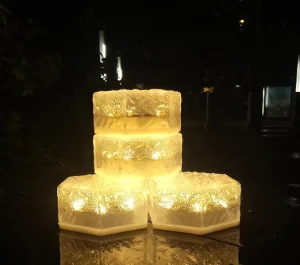
From the smart cities of Northern Europe to the luxury resorts of Southeast Asia, the demand for solar decorative lights—ranging from crystal glass ice bricks to high-lumen street lamps—has surged. This growth is fueled by the falling costs of PV modules and the increasing reliability of LiFePO4 battery technology, which offers superior thermal stability and cycle life compared to traditional lead-acid or Ni-MH alternatives.
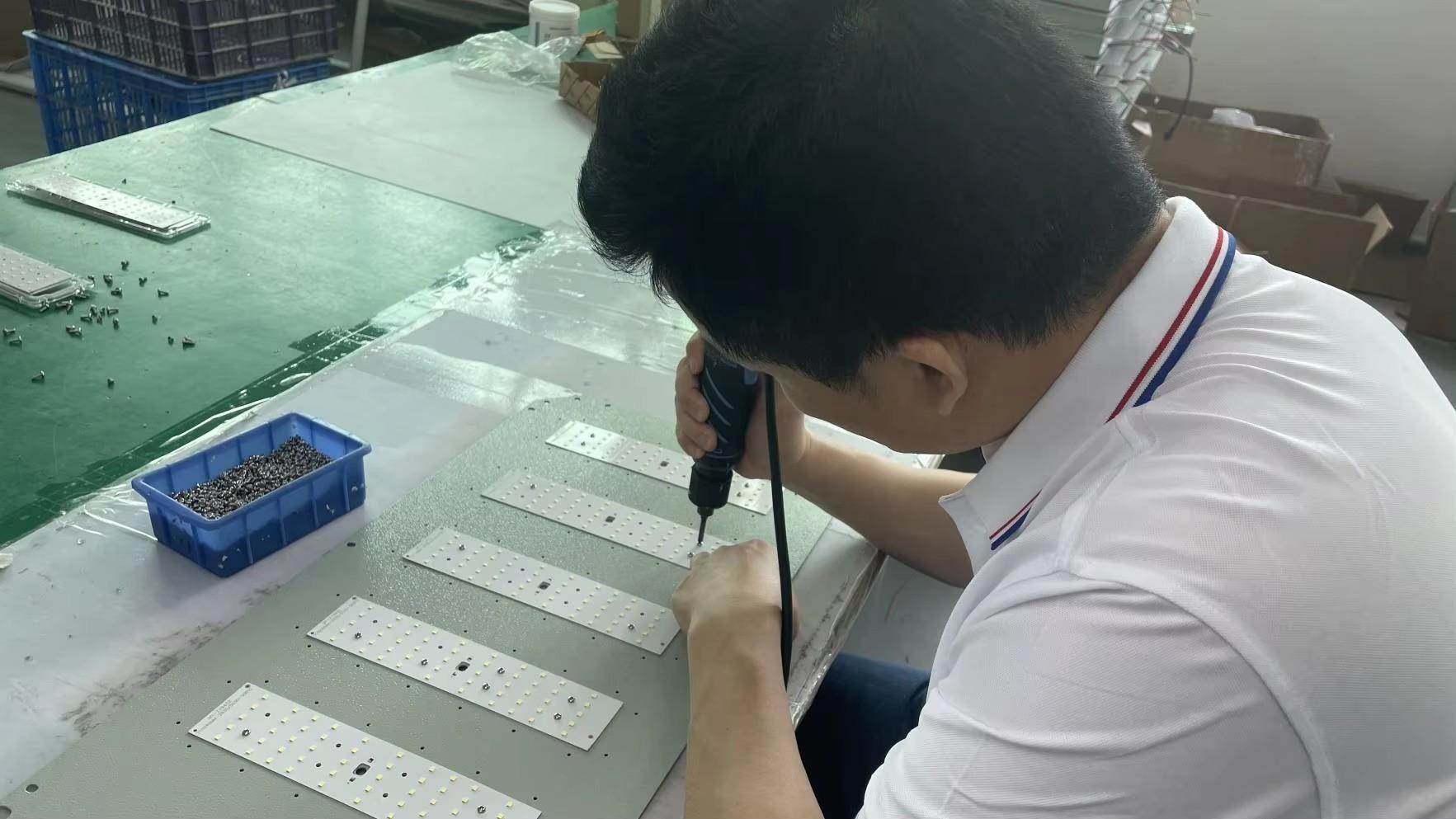
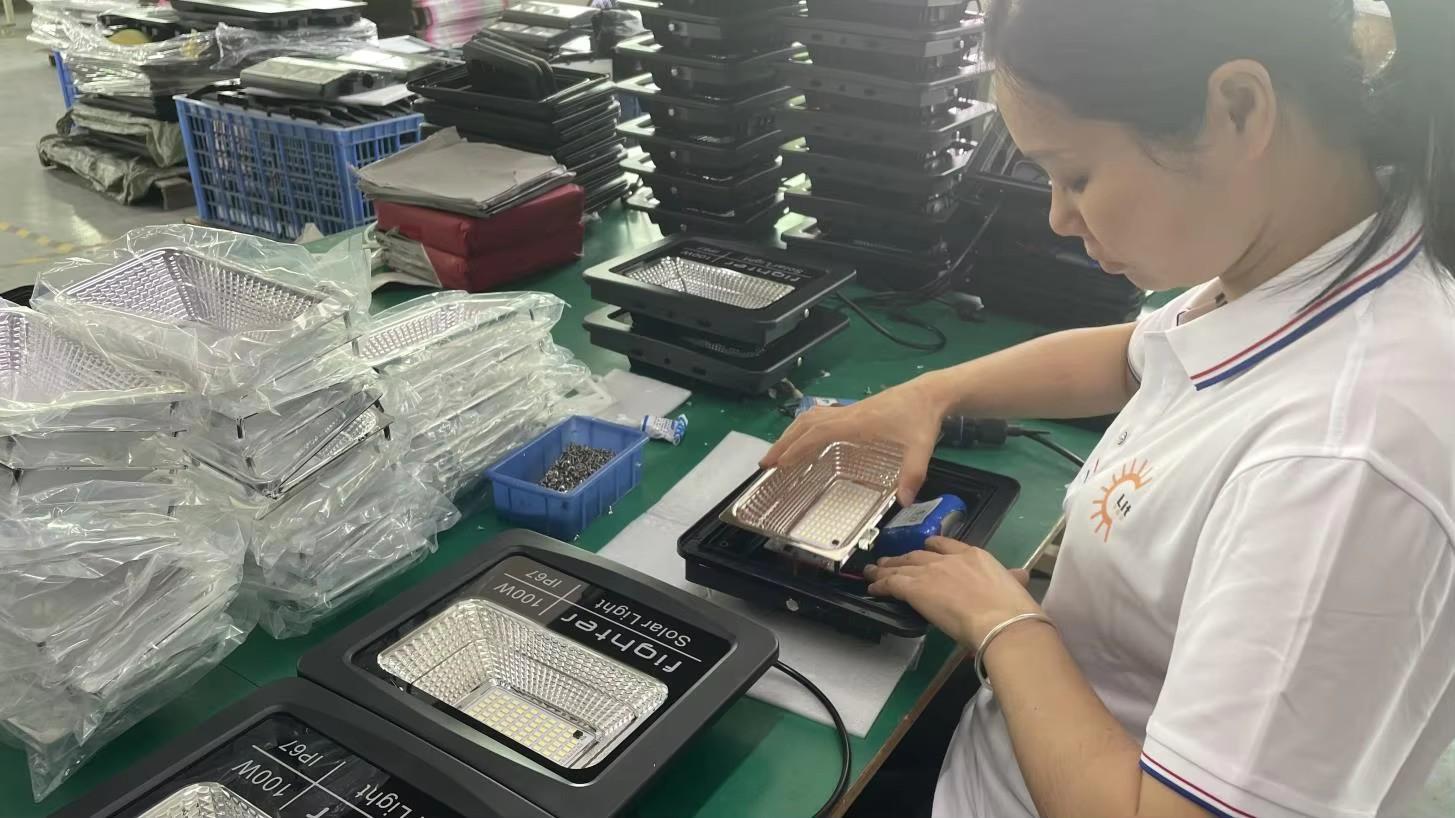
Leading Chinese factories like Wuxi Zeteo Light have introduced world-class automated production lines. This reduces human error in EL testing and laser engraving, ensuring that every solar module meets stringent international standards (ISO9001, CE, TUV).
The cluster effect in regions like Wuxi allows for a comprehensive vertical industrial chain. From raw solar cell silicon processing to finished smart lighting systems, the proximity of component manufacturers reduces lead times and logistics costs significantly.
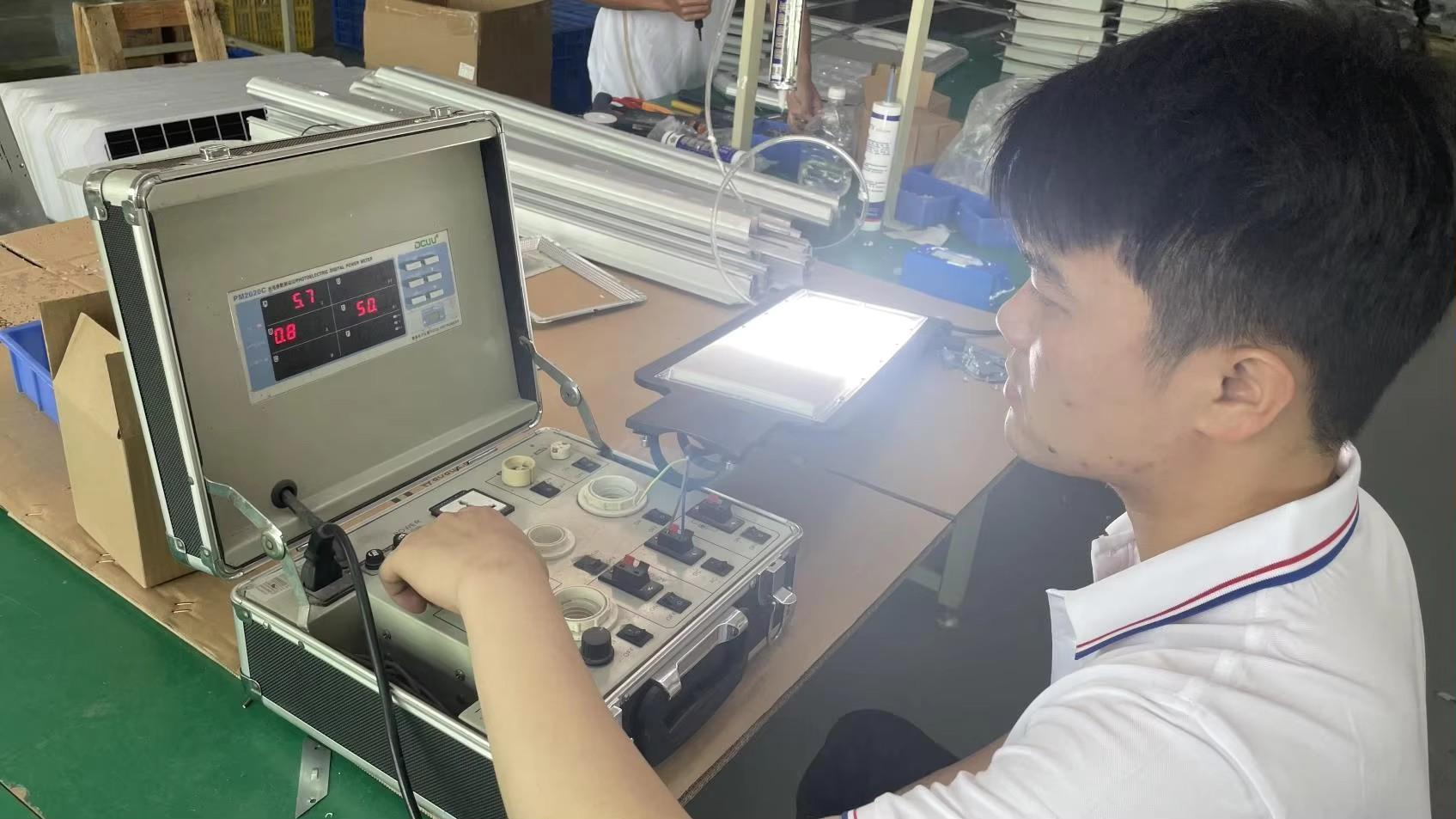
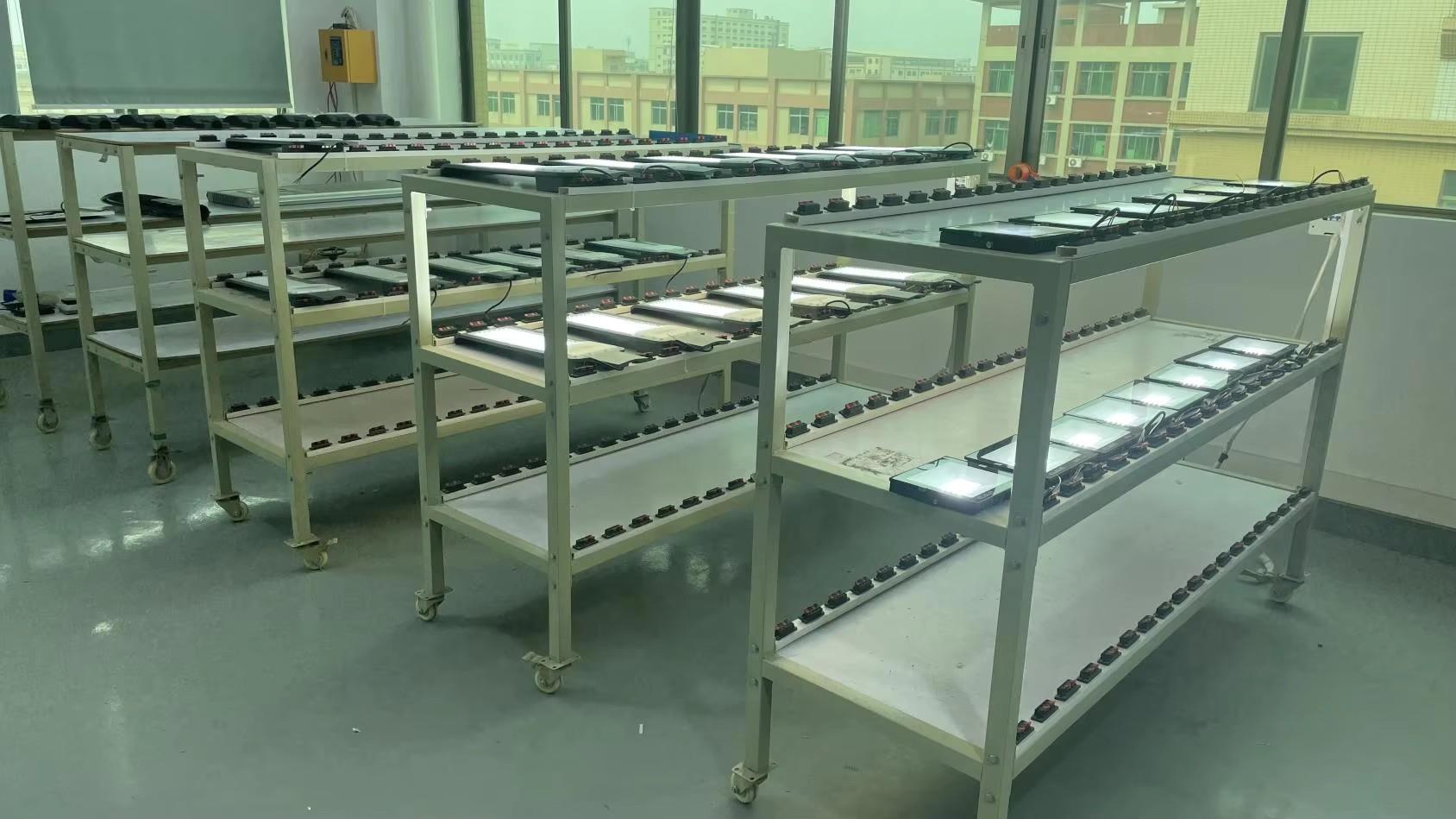
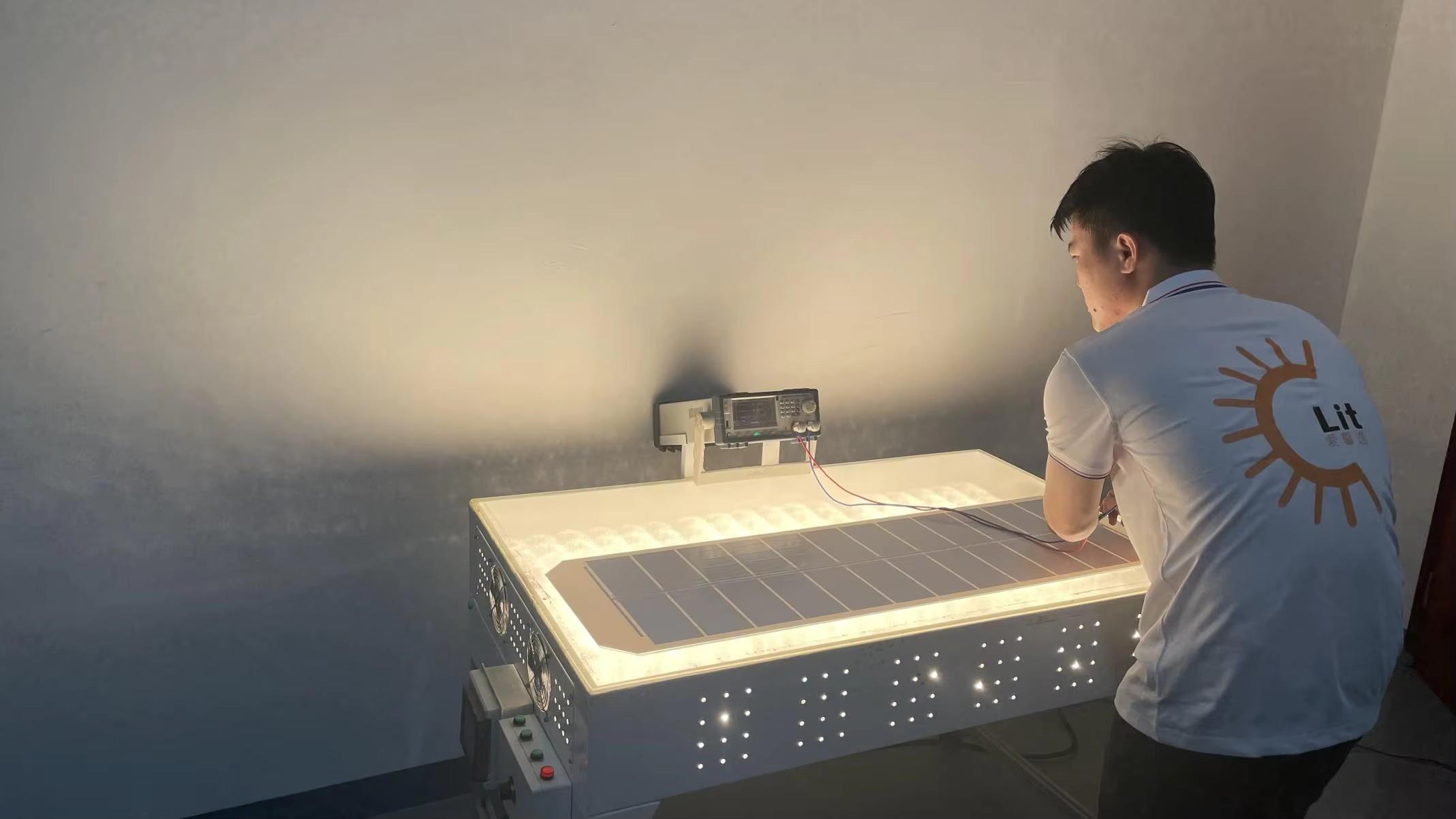
Quality is no longer a variable but a constant. Modern exporters utilize precision testing equipment for aging tests, waterproof IP65/IP66 verification, and lumen output calibration to provide stable and efficient products to the global market.
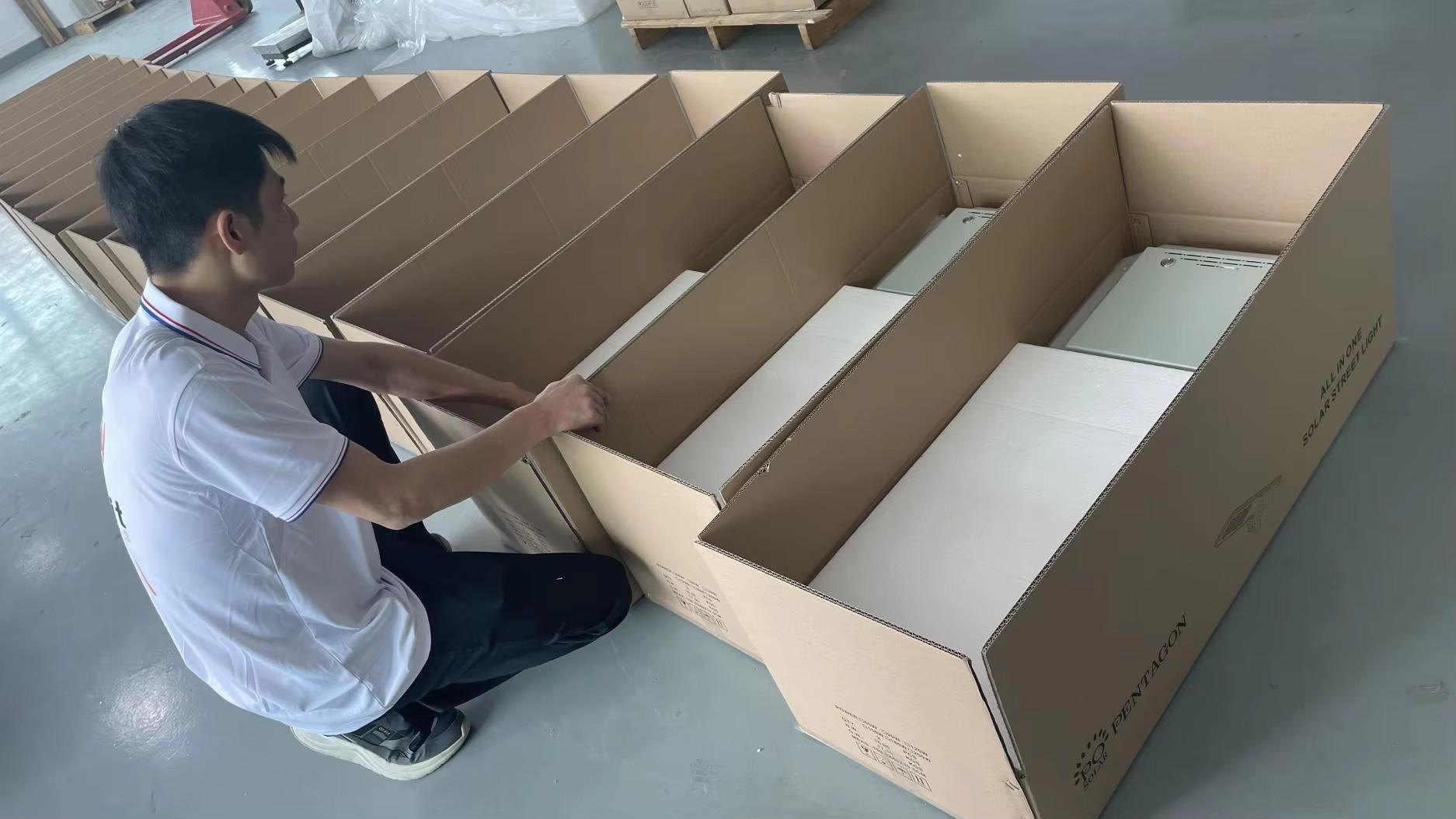
Wuxi Zeteo Light Co., Ltd. is a professional high-tech enterprise specializing in the research, development, manufacturing, and sales of solar photovoltaic products and energy storage solutions. By introducing advanced automatic production lines and precision testing equipment from around the world, Zeteo Light has established a modern manufacturing system with strict quality control standards.
The annual production capacity of photovoltaic modules has reached 3GW, while the annual capacity of energy storage batteries exceeds 1GWh, enabling us to provide stable and efficient products to customers worldwide. Our products have been widely exported to more than 100 countries and regions across Europe, South America, Southeast Asia, the Middle East, Africa, and Oceania.
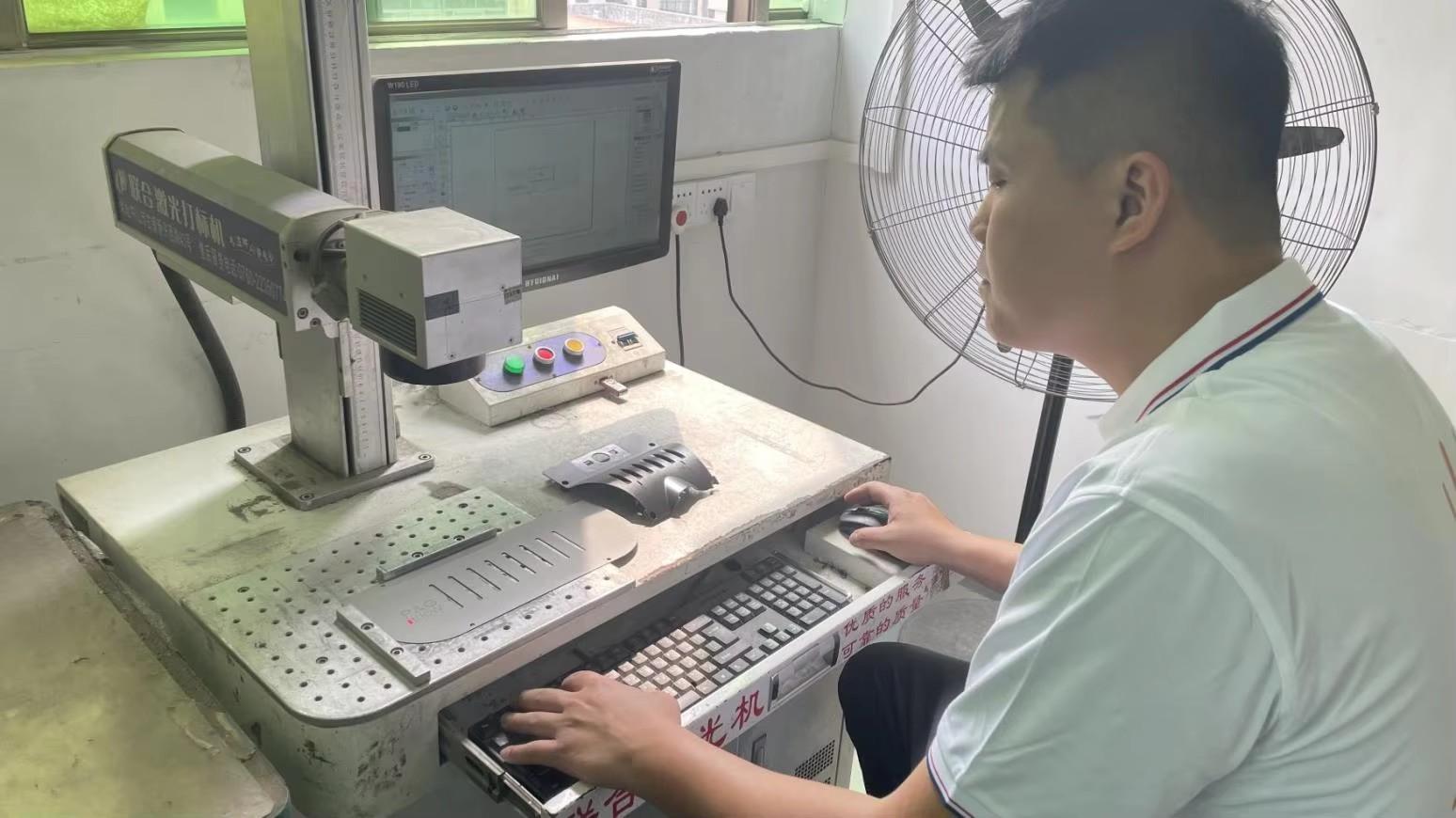
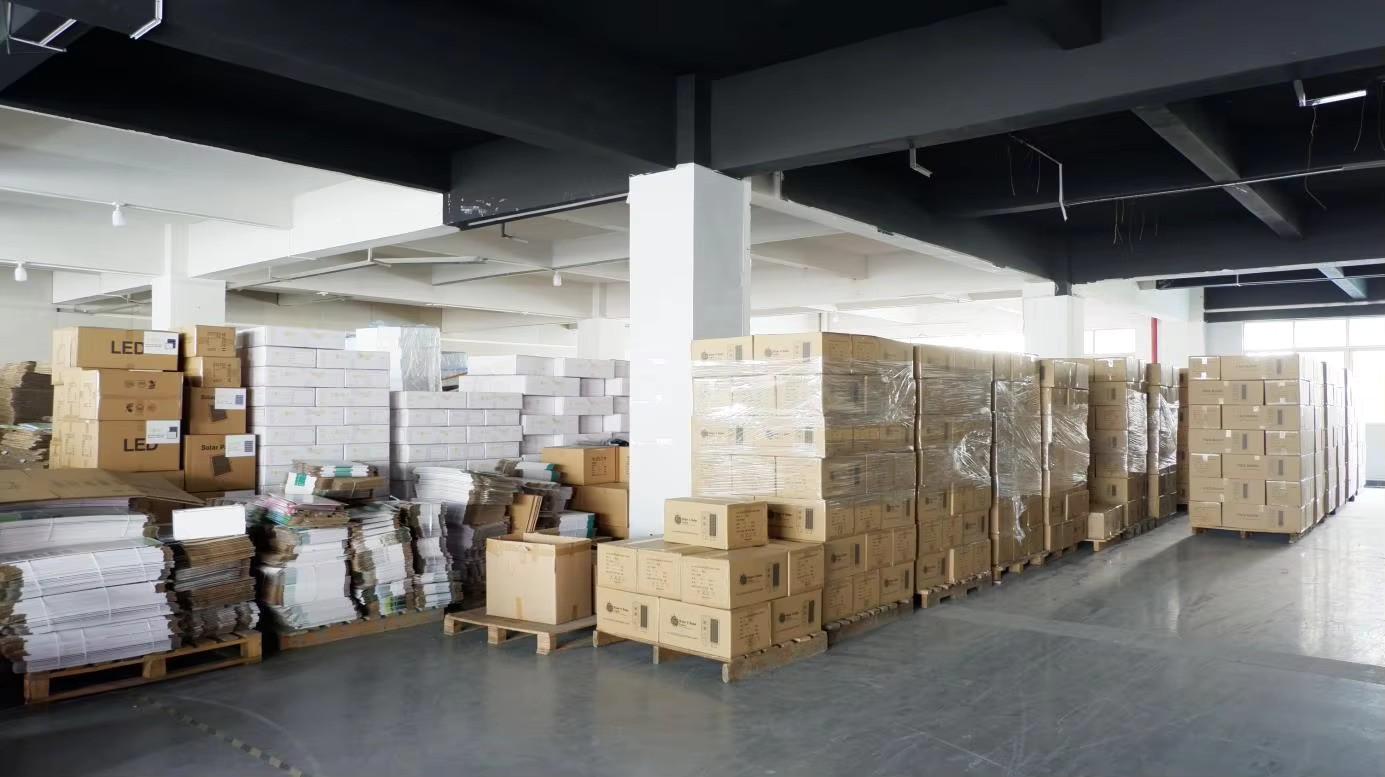
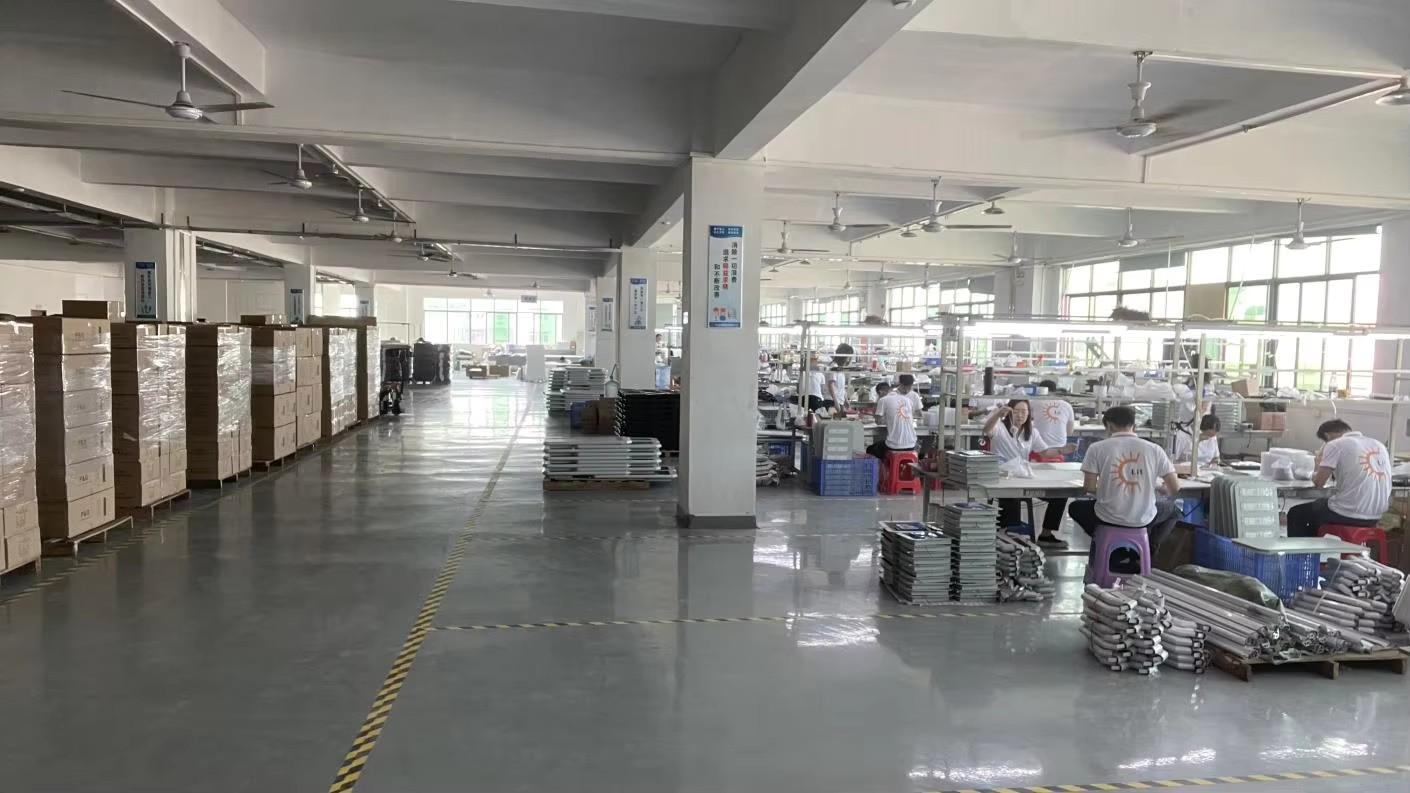
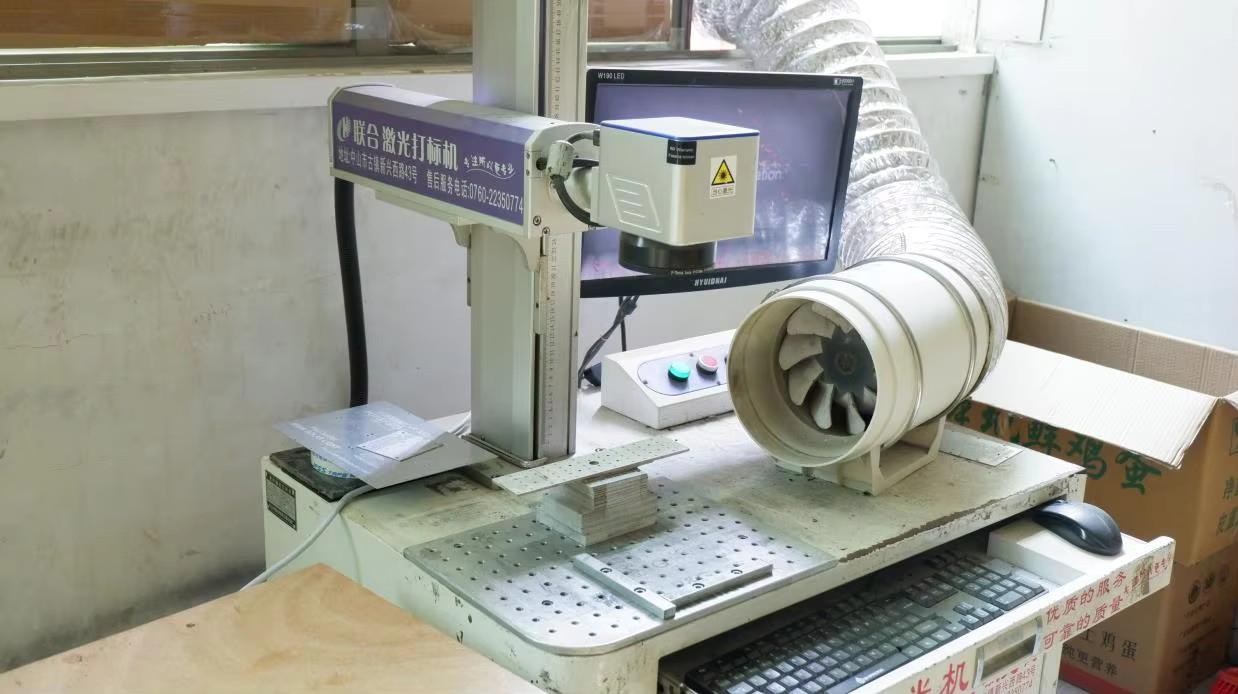
Precision Laser Engraving Machine in Operation
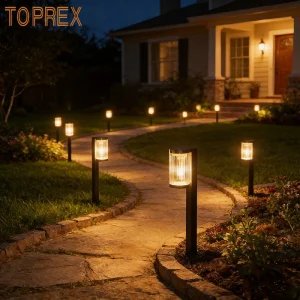
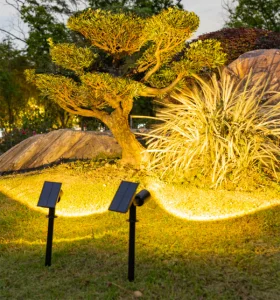
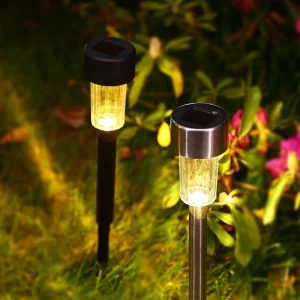
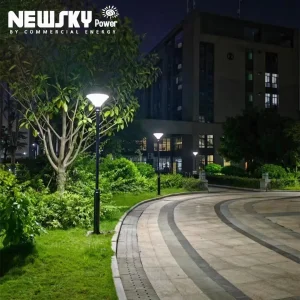
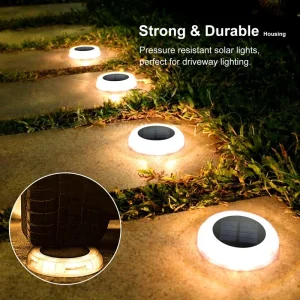
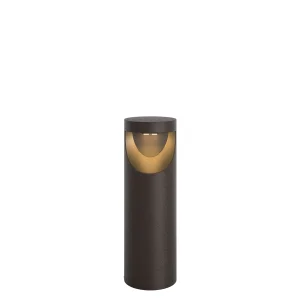
Modern homeowners are moving beyond basic illumination toward smart landscape ecosystems. Solar pathway lights now feature warm-white CCT options and dusk-to-dawn sensors, allowing for a seamless transition from functional light to decorative ambiance. The use of aluminum housing ensures durability in harsh coastal or desert climates.
Hotels and resorts are utilizing solar spotlights and crystal glass deck lights to reduce operational electricity costs while enhancing brand "green" credentials. The integration of motion sensors in high-traffic areas ensures safety without constant energy drain.
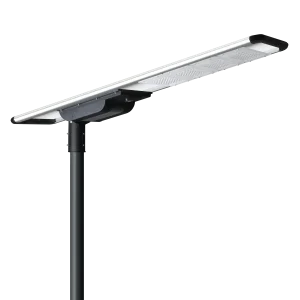
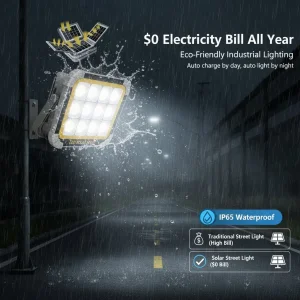
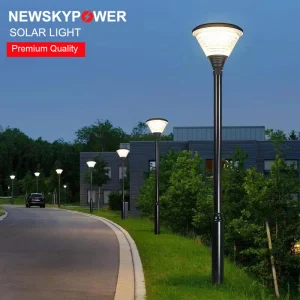
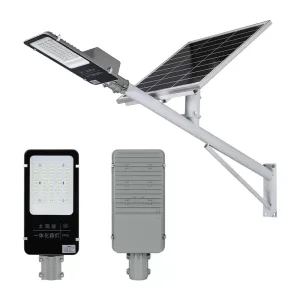
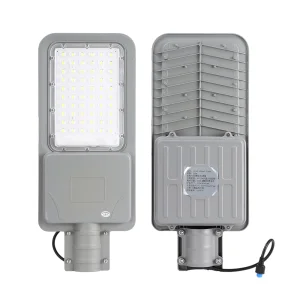
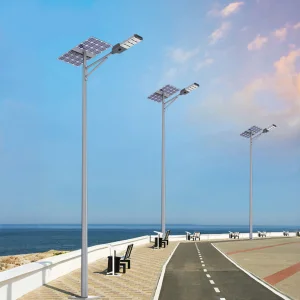
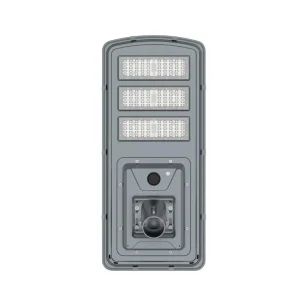
Municipalities are adopting integrated solar street lights with LiFePO4 batteries for walking paths, parking lots, and courtyards. These systems offer zero-trenching costs, making them ideal for retrofitting older urban districts where underground wiring is prohibitively expensive.
For procurement officers and importers, selecting the right solar lighting partner involves more than just comparing unit prices. Based on our industry expertise, focus on these critical factors:
 Zeteo Light