In the rapidly expanding landscape of renewable micro-utilities, deploying off-grid outdoor lighting systems demands compliance with stringent multi-regional frameworks. For commercial procurement agents, engineering partners, and wholesale distributors, a certification like CE (Conformité Européenne) is not merely a label—it serves as verification that the electronics, integrated photovoltaic modules, and electrochemical battery packs fulfill critical safety, environmental protection, and electromagnetic interference rules.
Solar night lights equipped with integrated PIR motion sensors, high-frequency LED drivers, and charge controller circuitry emit radio frequencies. Under the CE Directive 2014/30/EU, manufacturers must guarantee that these emissions do not compromise local telecom infrastructure or nearby electrical grids.
CE safety compliance under LVD 2014/35/EU guarantees risk-free operational interfaces for end-users. In integrated solar devices operating with 3.2V Lithium Iron Phosphate (LiFePO4) or 3.7V Ternary Lithium cells, LVD verifies insulation integrity and protection against thermal runaway scenarios.
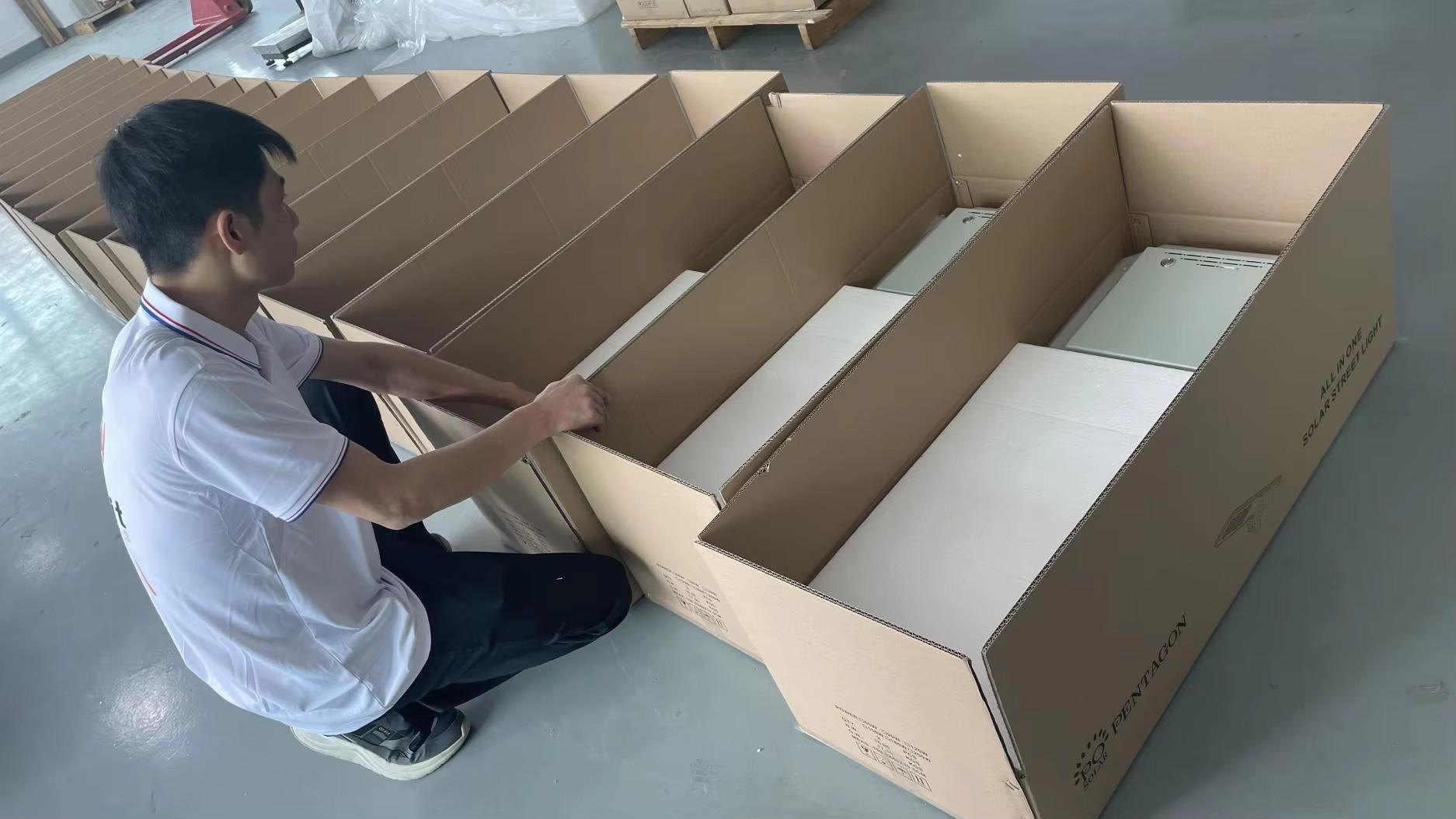
Safe global transport of products containing integrated batteries requires adherence to dangerous goods regulations. Quality control is verified by compliance with UN38.3 testing standards, MSDS, and safe packaging practices for international air and ocean cargo lines.
| Regulatory Standard | Geographical Applicability | Technical Parameters Inspected | Procurement Priority Level |
|---|---|---|---|
| CE (EMC & LVD) | European Economic Area (EEA) | Electromagnetic disturbances, low voltage safety insulation, control logic. | Mandatory for EU Customs clearance |
| RoHS Directive 2011/65/EU | Europe / Global Target Markets | Restricted concentrations of Pb, Cd, Hg, CrVI, PBB, and PBDE. | Critical for eco-conscious markets |
| UN38.3 & MSDS | Global Maritime / Air Transport | Vibration, thermal shock, external short circuit, impact, overcharge, forced discharge. | Mandatory for all lithium battery cargo |
| IP65 / IP66 (EN 60529) | Global Industrial & Infrastructure | Water ingress protection, dust-tight gaskets, housing resistance. | Highly recommended for outdoor municipal projects |
The Chinese photovoltaic supply chain is the primary global source for cost-effective, high-reliability solar products. China supplies over 80% of the world's photovoltaic components. This dominance is built on centralized clusters of raw silicon purification plants, glass fabrication facilities, custom semiconductor fabrication labs, and advanced logistics channels. Wuxi Zeteo Light Co., Ltd. leverages this ecosystem to deliver cost-effective, high-performance solar lighting products worldwide.
By operating a vertical value chain—from design and wafer selection to glass tempering, casing mold design, and battery assembly—manufacturers reduce margin losses and optimize the cost-to-performance ratio for global wholesale clients.
Integrated clusters in regions like Wuxi and Jiangsu enable rapid turnarounds for custom OEM/ODM requests. If a buyer needs specific lens angles or customized brackets, mockups and tooling can be finalized in days rather than months.
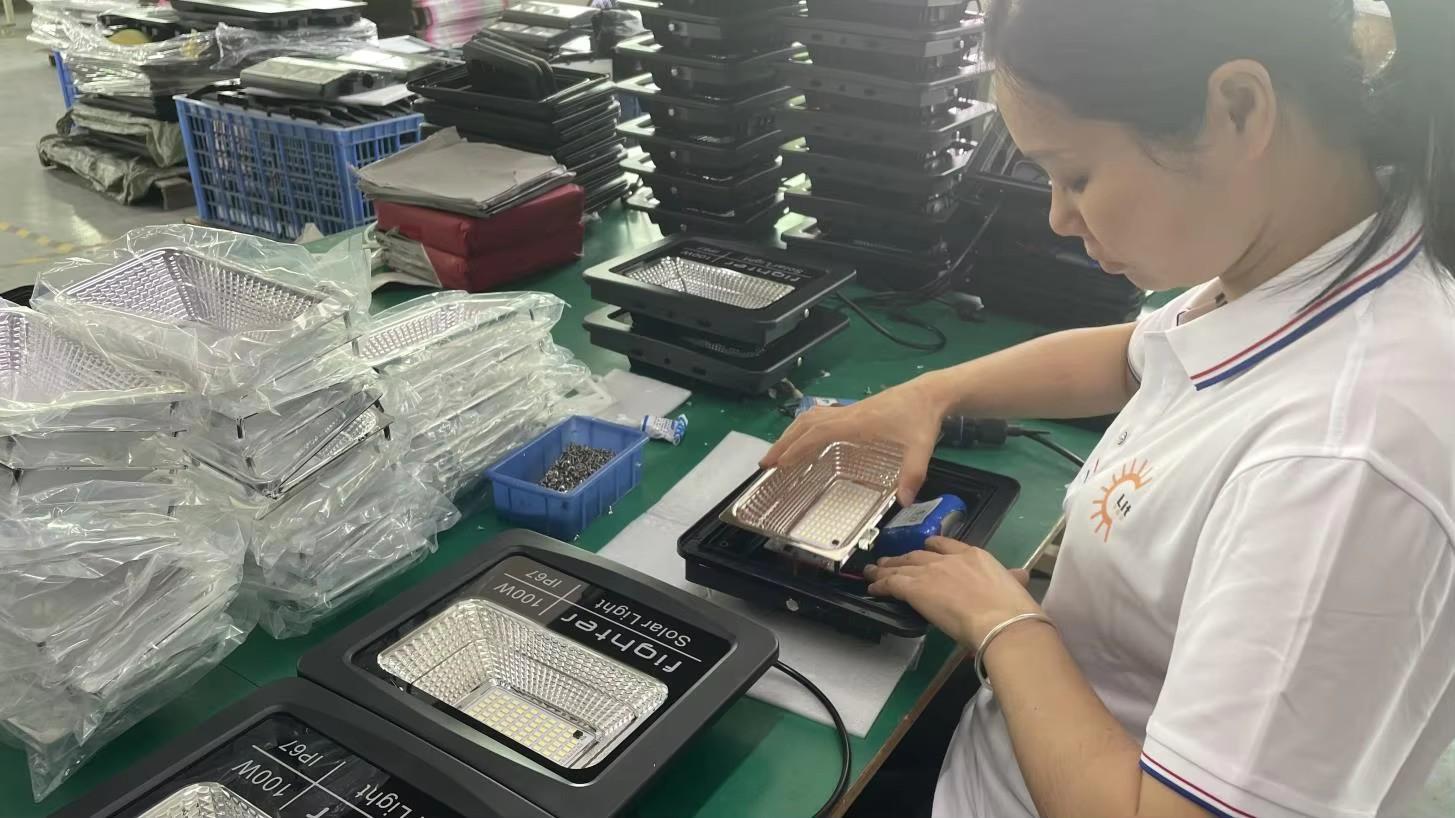
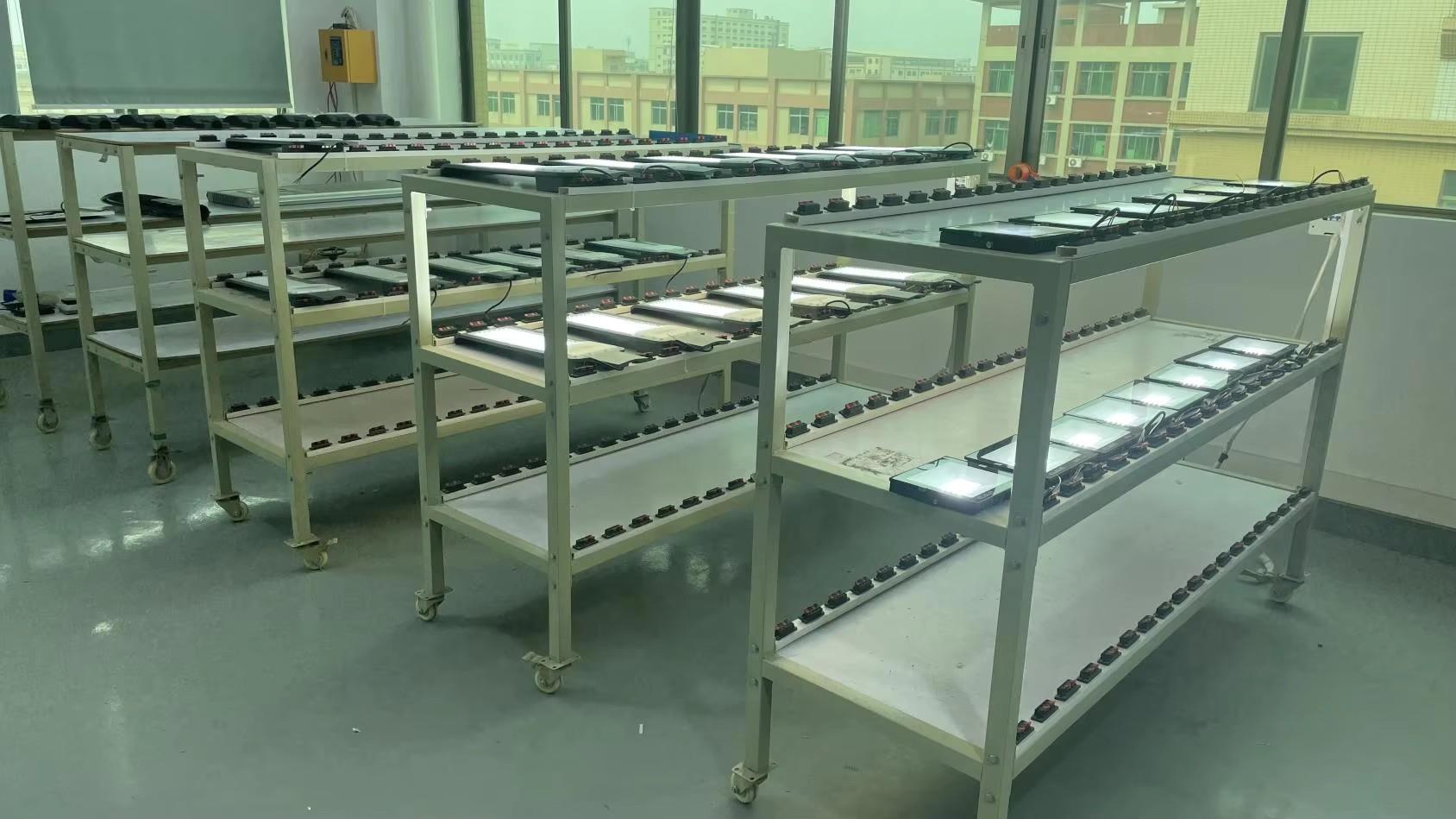
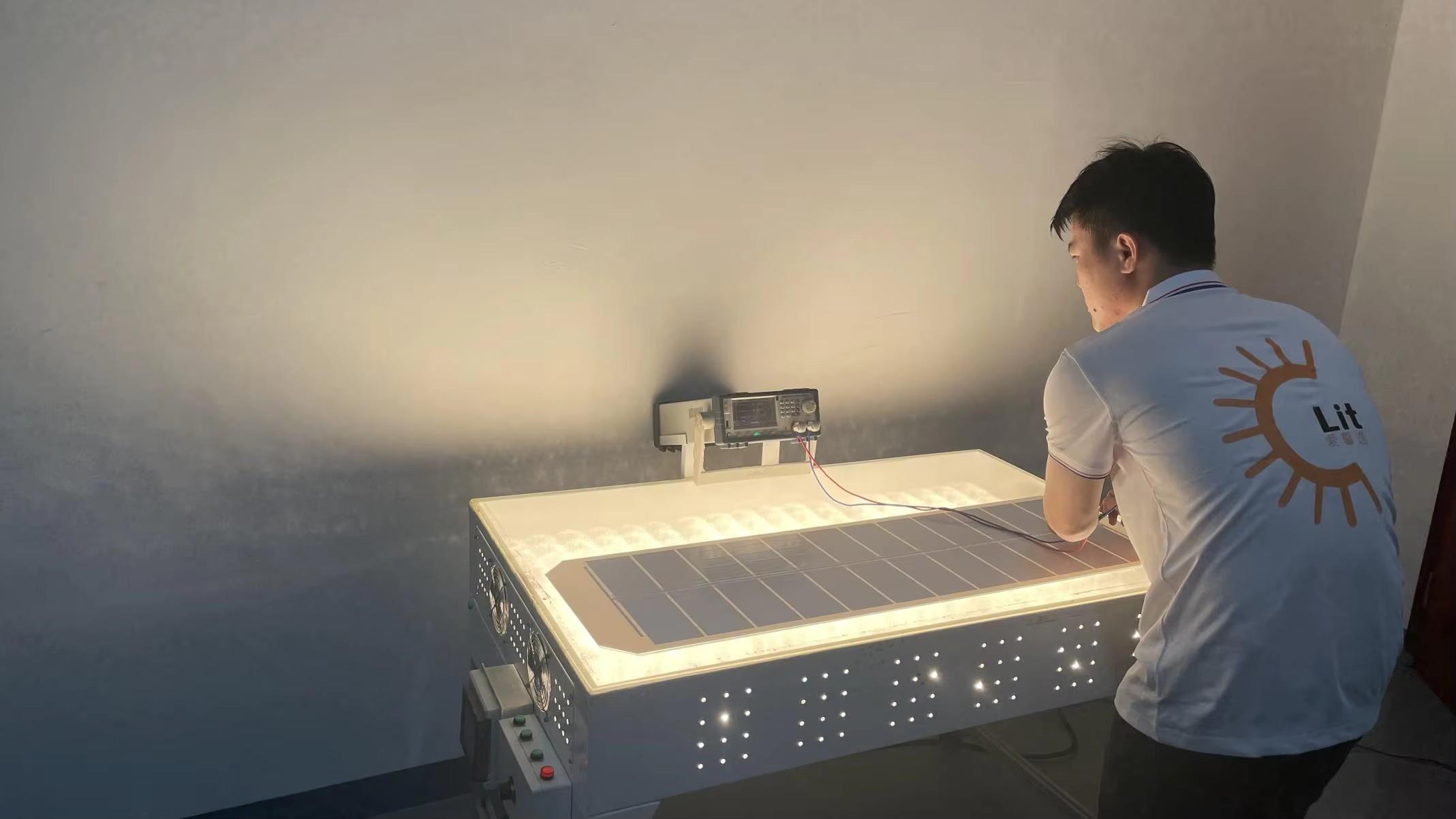
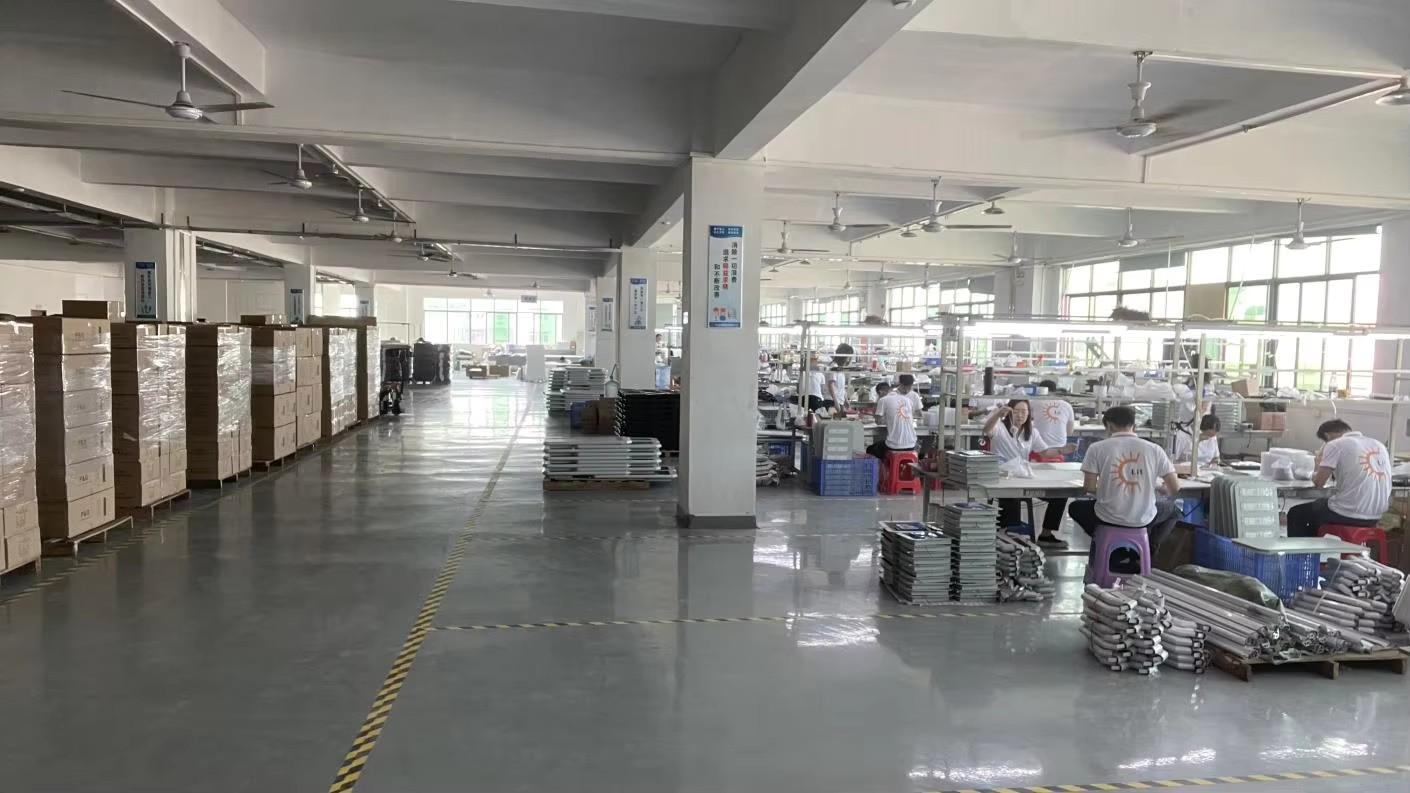
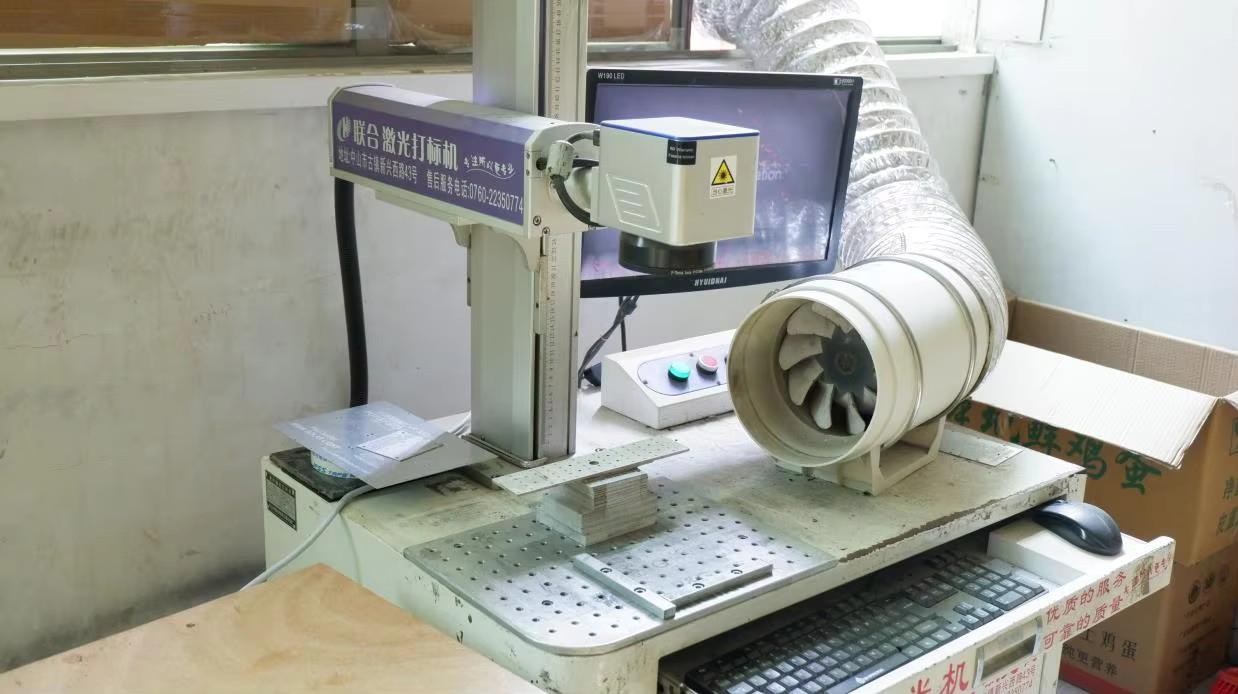
Modern automated production lines reduce assembly defects and human error. Precision soldering machines, computerized solar simulators, and automated testing rigs ensure consistent quality across large-scale municipal orders.
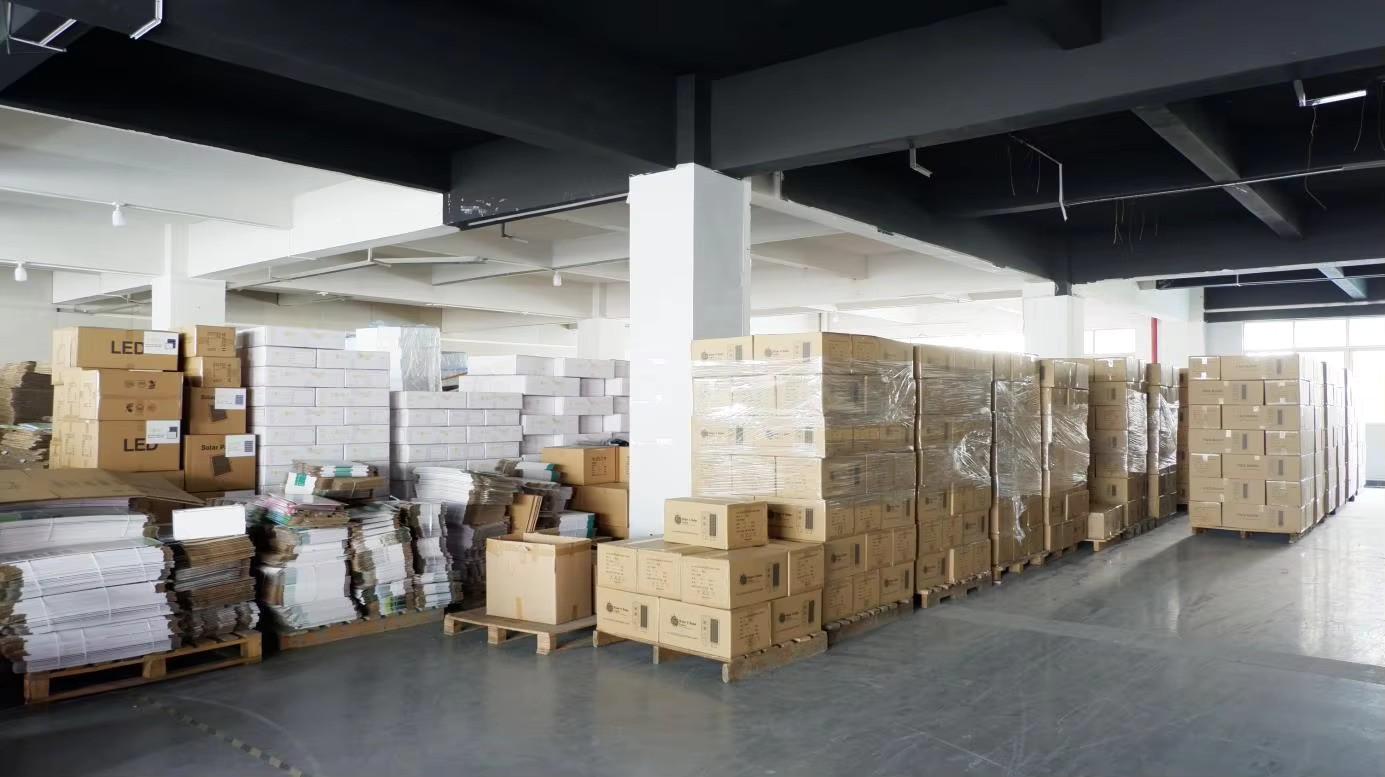
Wuxi Zeteo Light Co., Ltd. is a professional high-tech enterprise specializing in the research, development, manufacturing, and sales of solar photovoltaic products and energy storage solutions. By introducing advanced automatic production lines and precision testing equipment from around the world, Zeteo Light has established a modern manufacturing system with strict quality control standards.
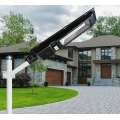
The annual production capacity of photovoltaic modules has reached 3GW, while the annual capacity of energy storage batteries exceeds 1GWh, enabling us to provide stable and efficient products to customers worldwide. Since its establishment, Zeteo Light has adhered to the philosophy of precision manufacturing and continuous innovation. The company has gradually built a comprehensive vertical industrial chain covering solar cell technology, PV module manufacturing, energy storage integration, solar system engineering, and smart energy applications.
Our experienced engineering team also provides customized OEM & ODM services, helping clients meet different market demands and project requirements. To ensure product quality and international market compliance, Zeteo Light has obtained multiple international certifications, including ISO9001, ISO14001, ISO45001, TUV, CE, IEC, CEC, MCS, CQC, and other authoritative certifications.
We manage a vertical manufacturing pipeline. Each stage undergoes quality inspections—from laser slicing of cells to automated aging and final electro-luminescence (EL) testing.
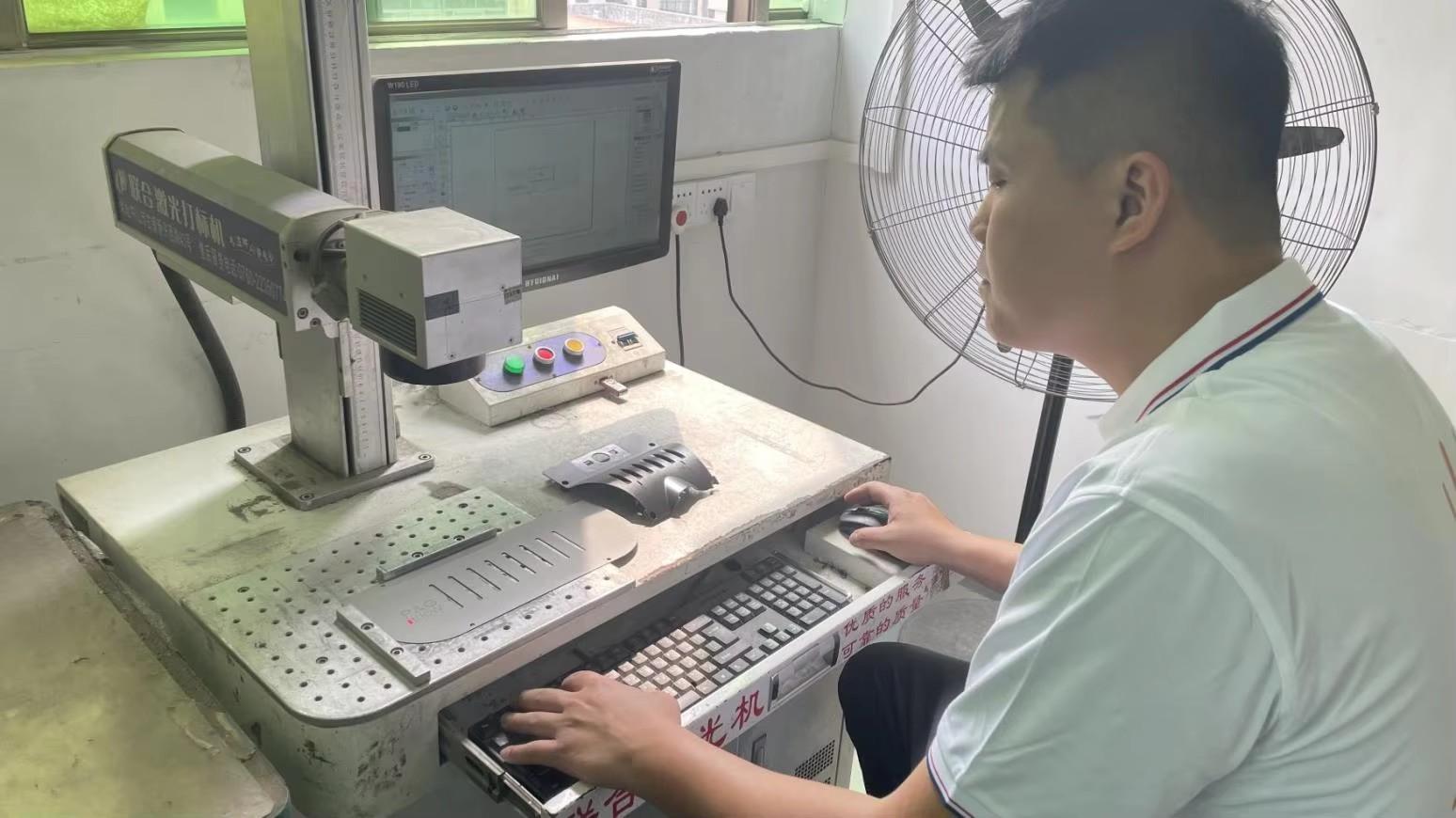
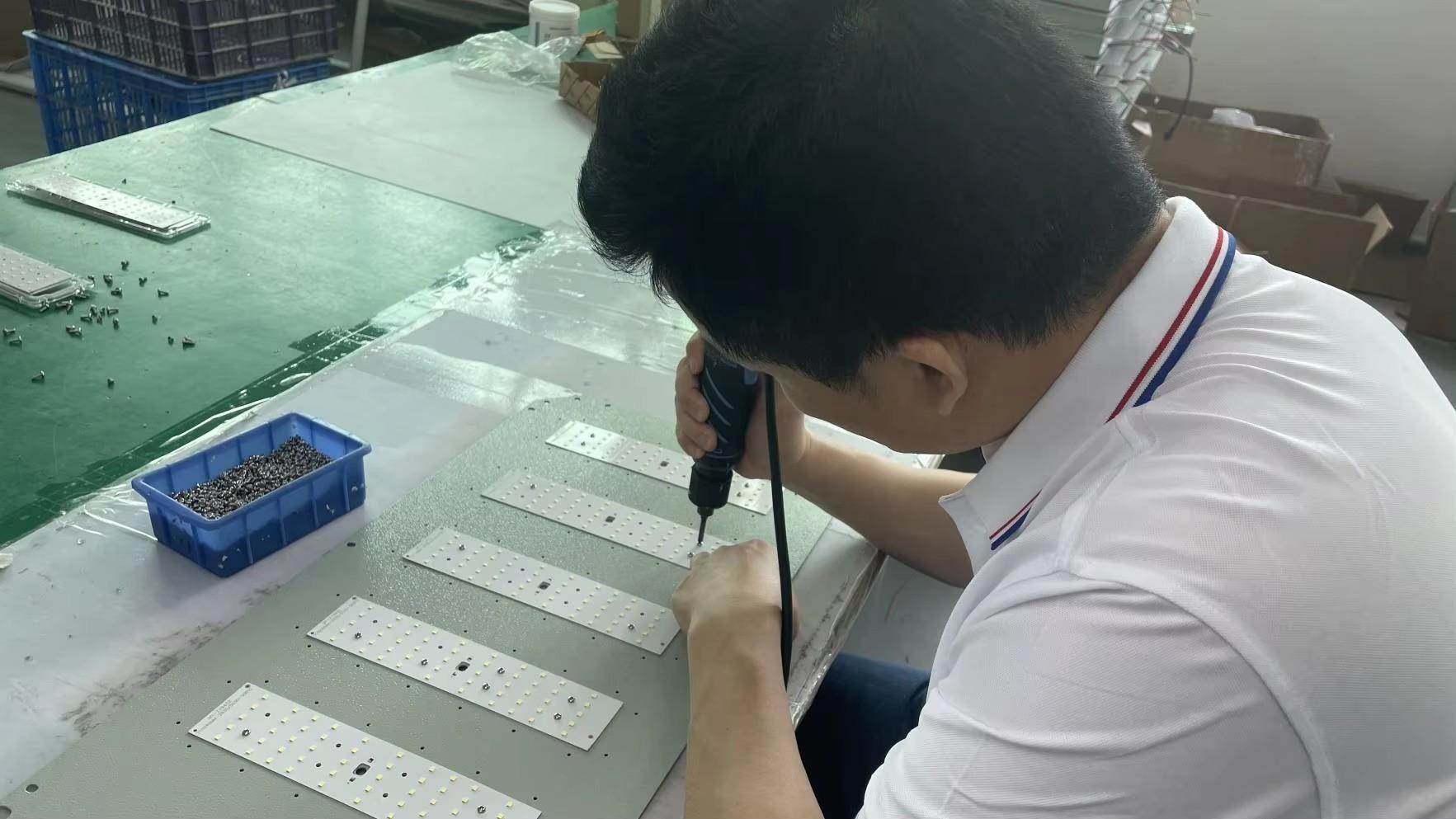
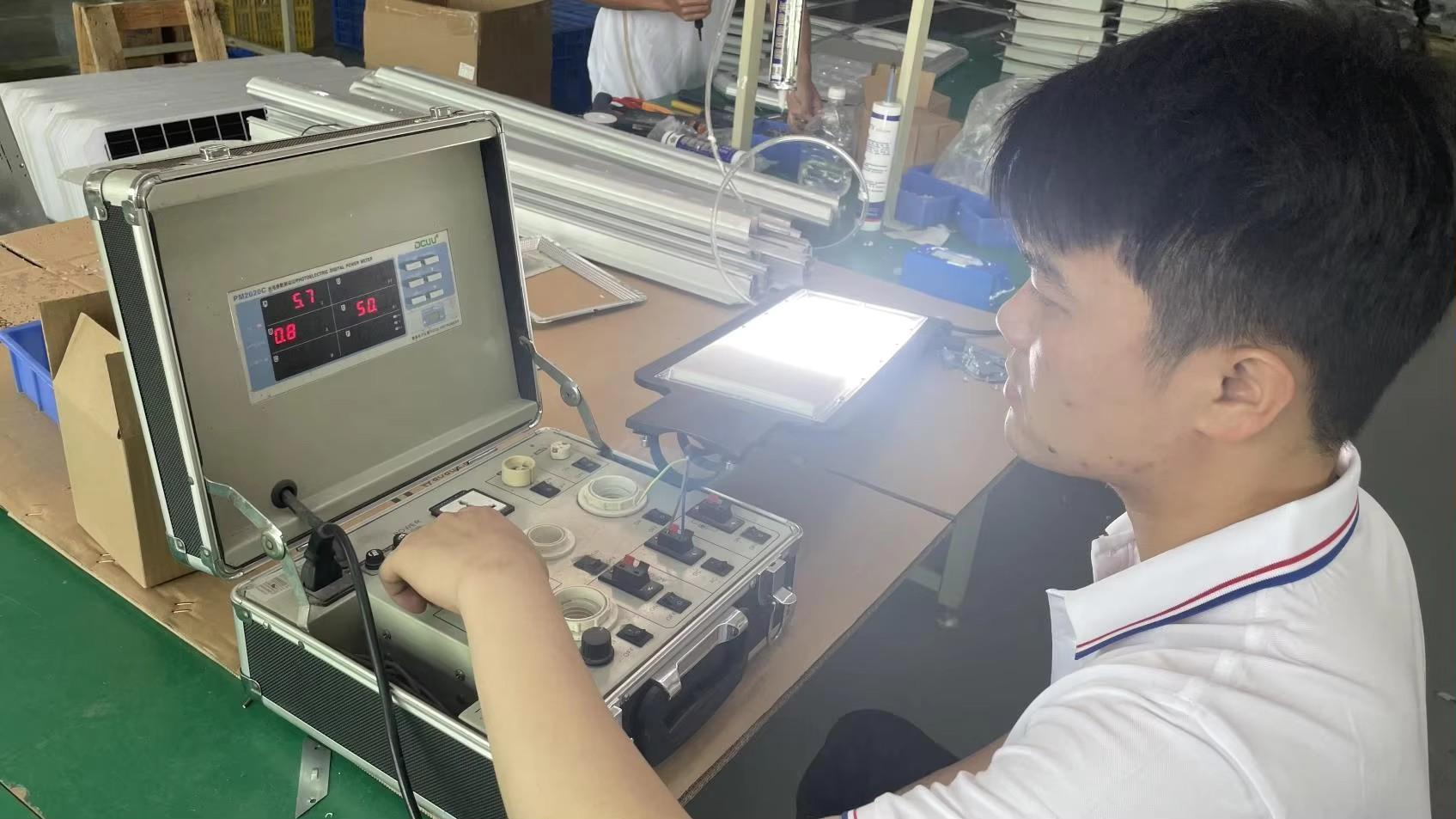
Global commercial buyers face distinct challenges when selecting off-grid lighting fixtures for infrastructure projects, distribution, or retail. Sourcing goes beyond unit costs. Importers must evaluate component supply chains, logistics schedules, warranty services, and technical support frameworks.
The life expectancy of an off-grid luminaire is determined by its battery. Low-cost components often use repurposed EV battery scrap that degrades rapidly within 12 months. Wuxi Zeteo Light uses A-grade, brand-new LiFePO4 cells designed for over 2,000 charge cycles at 80% Depth of Discharge (DoD), extending product life past five years.
B2B procurement programs evaluate optical output using lumens-per-watt (lm/W) measurements. Old systems struggle at 100 lm/W. Our optimized LED chips deliver up to 180 lm/W. This efficiency produces higher illumination while using less energy, lowering necessary battery and panel sizes.
Standard charge controllers often experience high energy conversion losses. Integrating Maximum Power Point Tracking (MPPT) or advanced PWM logic ensures stable performance, even in overcast conditions. This technology captures up to 30% more energy than standard components.
Global energy markets are shifting from basic illumination to smart grid ecosystems. High-efficiency lighting fixtures are evolving beyond simple night lights into intelligent micro-generators that support smart-city infrastructure, emergency power networks, and localized IoT connectivity.
Legacy solar lights relied on cheap polycrystalline panels, with conversion efficiencies limited to 15%. Modern commercial solar systems use monocrystalline silicon cells treated with passivated emitter and rear cell (PERC) technology. This raises operational conversion efficiency to 22-24%, capturing more energy in smaller surface areas.
Contemporary solar night lights feature microcontrollers with adaptive learning algorithms. By monitoring charge cycles and battery drainage over consecutive days, these systems adjust brightness levels dynamically. This guarantees reliable, continuous light output, even during extended rainy or overcast periods.
The industry has phased out lead-acid and Ni-MH batteries due to environmental concerns and low cycle life. Modern products use Lithium Iron Phosphate (LiFePO4) chemistry, which offers high thermal stability, non-combustibility, and operates reliably in extreme temperatures ranging from -20°C to 65°C.
Standard PIR sensors detect body heat but are prone to false triggers from wind or falling leaves. Modern systems use high-frequency microwave radar sensors. These detect motion reliably across broader angles and through structural barriers, enabling immediate illumination transitions from energy-saving modes.
Climate conditions vary significantly across target markets. A solar light designed for high-humidity coastal areas requires different components than one deployed in high-temperature, dusty desert environments. Let’s look at how localized custom engineering addresses these environmental demands.
High heat reduces solar panel efficiency and shortens battery lifespans. To mitigate this, our systems utilize specialized multi-layered aluminum heat sinks, high-temperature LiFePO4 cells, and UV-resistant powder-coated casings that resist oxidation and sand erosion.
Saline air accelerated galvanic corrosion in standard metal components. For these installations, Zeteo Light provides IP66 and IP67 certified housings, stainless steel mounting brackets, and conformal-coated internal electronics that isolate circuits from damp air.
In sub-zero temperatures, standard batteries suffer from limited charge acceptance. Systems installed in northern climates include smart self-heating battery wrappers. These use a portion of the solar generation to warm the battery compartment, enabling normal charge cycles throughout winter.
Our engineering support team answers common questions from importers, distributors, and municipal buyers regarding certification, design, logistics, and technical specifications.
 Zeteo Light