Zeteo Light
Section 1: The Transition of Commercial Solar Lighting: Paradigm Shift to High-Efficiency Systems
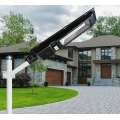
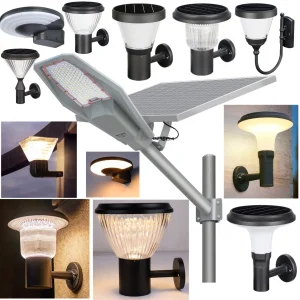
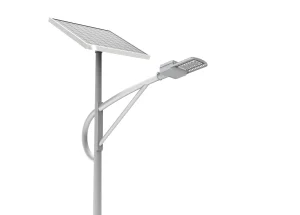
As carbon neutrality mandates become central to municipal planning and corporate governance, the architectural lighting sector is undergoing a major technological transformation. Standard grid-connected exterior systems are rapidly giving way to high-performance, off-grid solutions. Today’s industrial-grade solar roof lights, post-top luminaires, and street lights are no longer merely aesthetic additions; they are complex optoelectronic installations engineered to perform under challenging environmental conditions.
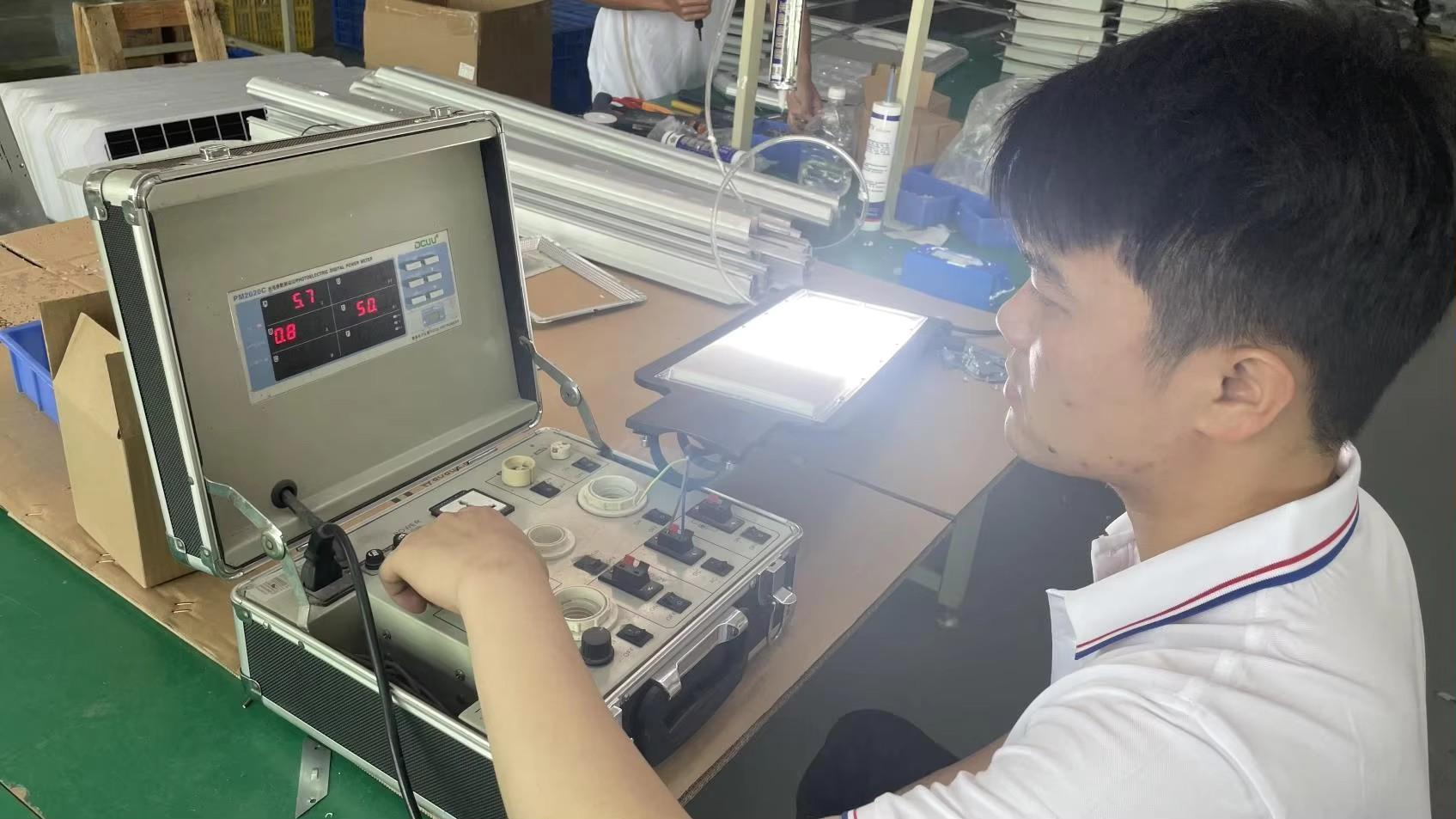
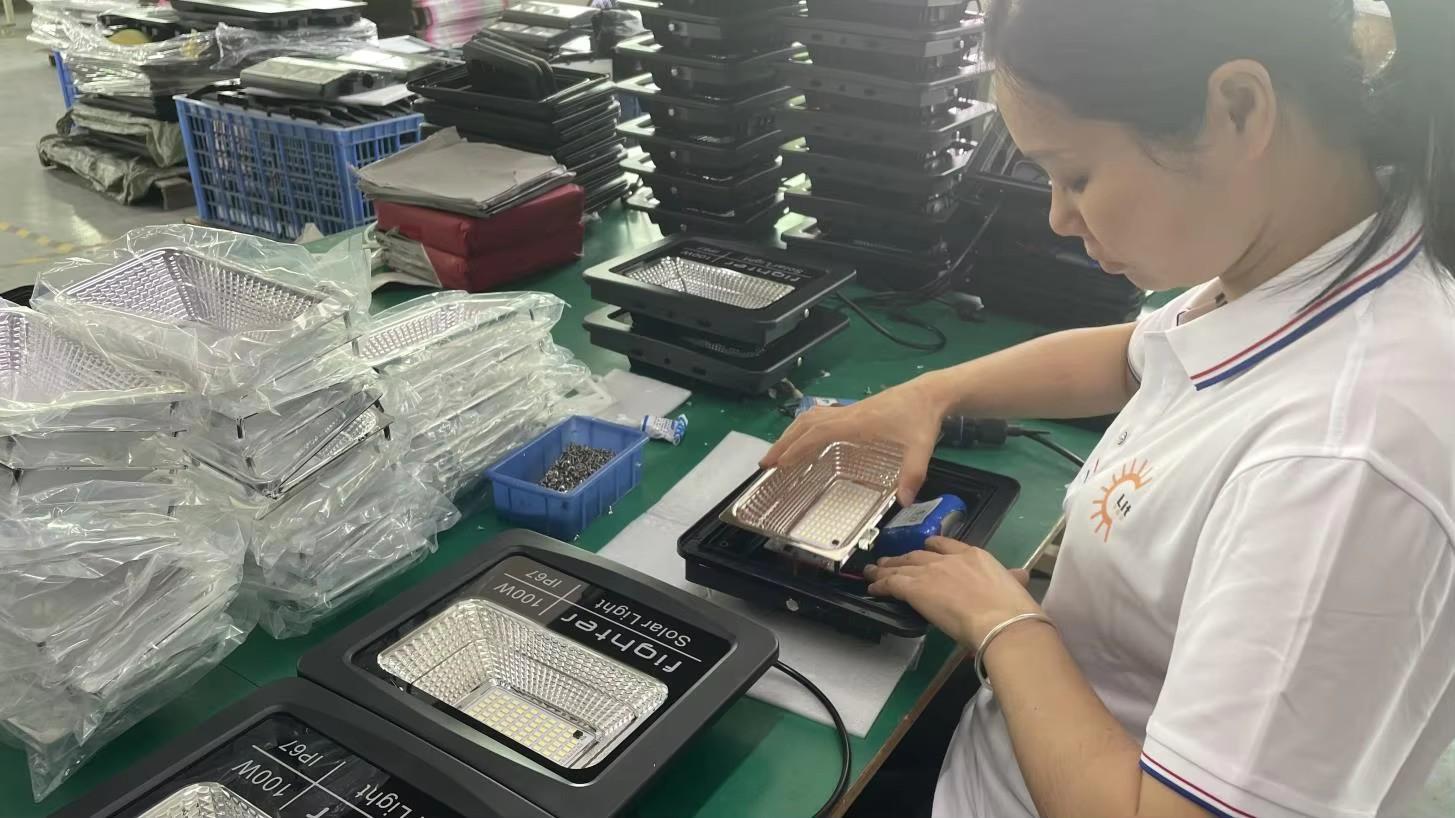
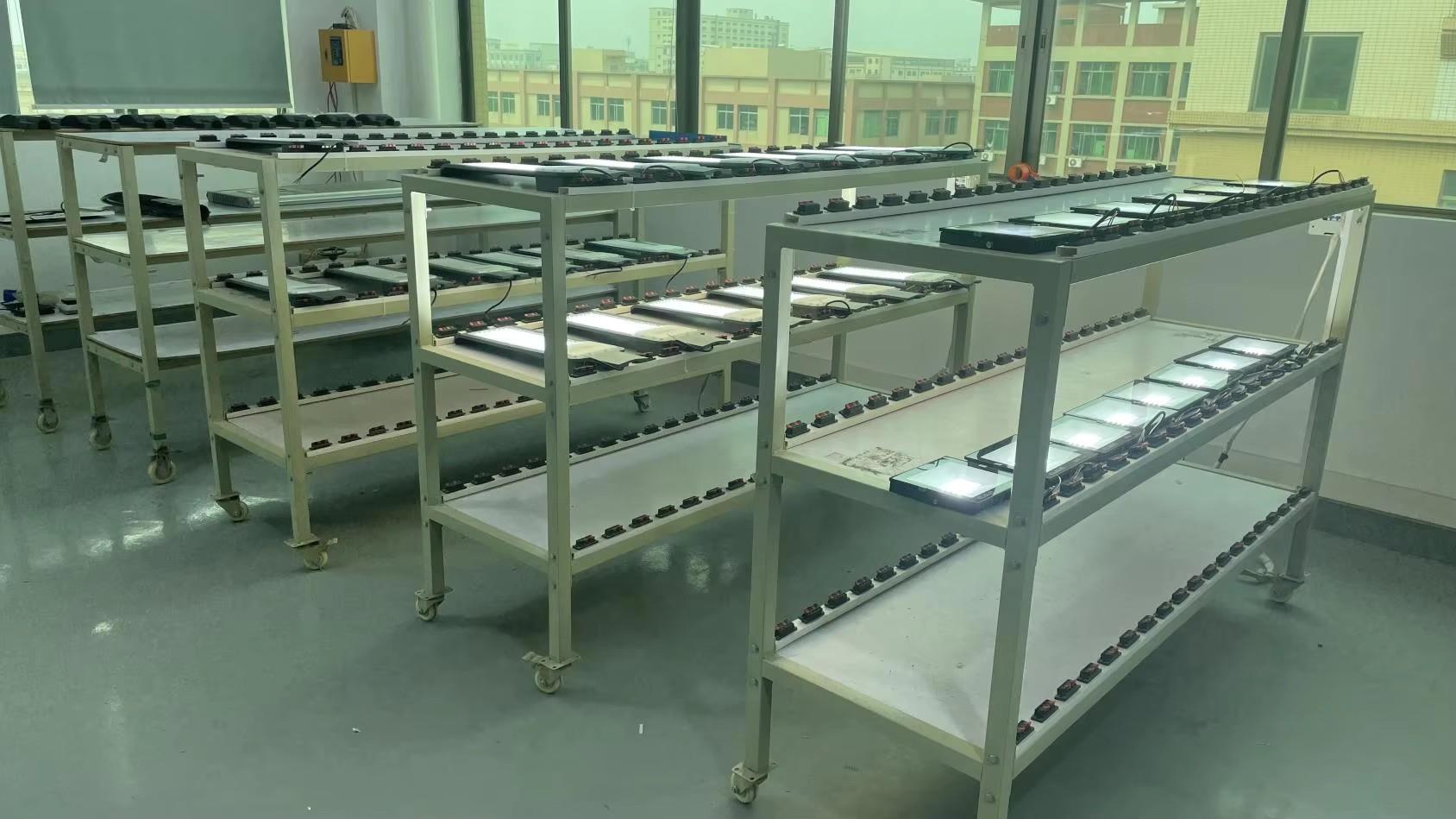
For B2B buyers, EPC contractors, and global distributors, identifying a top-tier factory is key to projects that require long operating lifespans and minimal maintenance. High-efficiency solar lighting depends on three core technologies: advanced monocrystalline silicon panels with high conversion rates, high-cycle lithium iron phosphate (LiFePO4) storage batteries, and intelligent controllers equipped with MPPT (Maximum Power Point Tracking) algorithms. A leading supplier manages the integration of these systems to prevent premature failures common in lower-quality products, such as thermal runaway or fast lumen depreciation.
MPPT Smart Energy Harvesting
Modern commercial solar installations require controllers that dynamically track the maximum power point. This maintains up to 98% tracking efficiency even in heavy overcast or shade, compared to standard PWM controllers.
LiFePO4 Storage Architecture
By moving away from lead-acid and ternary lithium batteries, leading factories use high-cycle LiFePO4 cells. These deliver over 2,000 to 3,000 charge cycles at 80% Depth of Discharge (DoD), ensuring 5 to 8 years of stable performance.
High-Density Solar Conversion
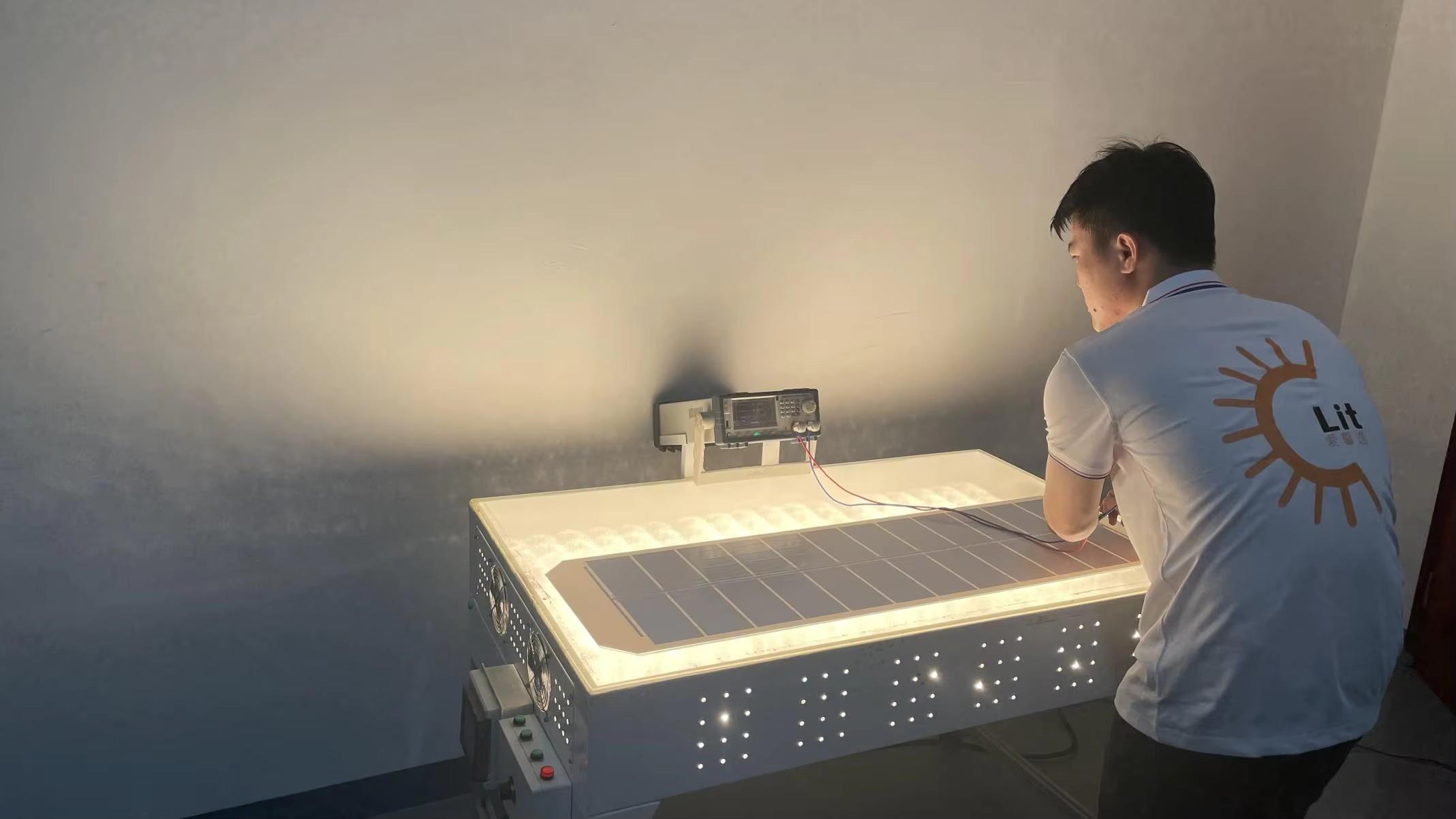
Using premium N-type monocrystalline solar cells allows modern fixtures to achieve up to 22% conversion efficiency. This ensures maximum power generation within a smaller physical footprint.