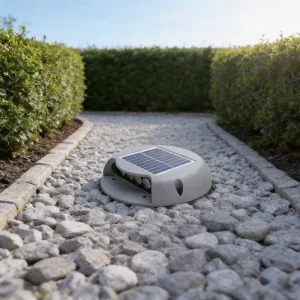
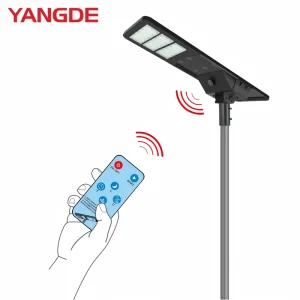
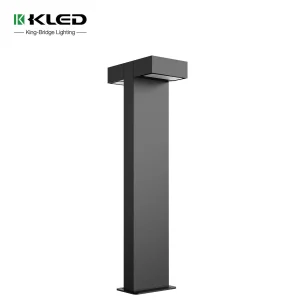
Explore high-performance solar lighting engineered for global resilience, municipal projects, architectural landscaping, and extreme weatherproof environments.
A B2B macro perspective on market dynamics, decarbonization directives, and architectural transformations.
Global commercial spaces, municipal parks, and hospitality structures are rapidly transitioning to grid-independent solar infrastructures. With carbon neutrality targets looming (such as EU's Green Deal and various net-zero municipal code compliance), solar yard and pathway lighting has shifted from an eco-friendly option to a strategic compliance standard.
Traditional outdoor landscape lighting requires significant capital expenditure (CAPEX) for trenching, subterranean cabling, and civil works. Solar yard lights completely eliminate these steps, reducing installation labor costs by up to 80% and mitigating ongoing operational expenditure (OPEX) in public municipal utility bills.
Modern solar yard systems act as physical hubs for smart-city expansion. By combining energy generation, high-density LFP storage, and modular IoT options (such as WiFi, 4G, and CCTV monitoring), B2B developers can easily deploy smart surveillance and public safety networks on isolated properties.
Analyzing state-of-the-art photovoltaic assembly, engineering vertical integration, and capacity indicators.
Wuxi Zeteo Light Co., Ltd. is a professional high-tech enterprise specializing in the research, development, manufacturing, and sales of solar photovoltaic products and energy storage solutions. By introducing advanced automatic production lines and precision testing equipment from around the world, Zeteo Light has established a modern manufacturing system with strict quality control standards. The annual production capacity of photovoltaic modules has reached 3GW, while the annual capacity of energy storage batteries exceeds 1GWh, enabling the company to provide stable and efficient products to customers worldwide.
Since its establishment, Zeteo Light has adhered to the philosophy of precision manufacturing and continuous innovation. The company has gradually built a comprehensive vertical industrial chain covering solar cell technology, PV module manufacturing, energy storage integration, solar system engineering, and smart energy applications. Our experienced engineering team also provides customized OEM & ODM services, helping clients meet different market demands and project requirements.
Every solar lighting system, from delicate path markers to high-wattage garden lights, undergoes an industrial-grade manufacturing protocol to prevent environmental degradation and maximize luminous maintenance factors.
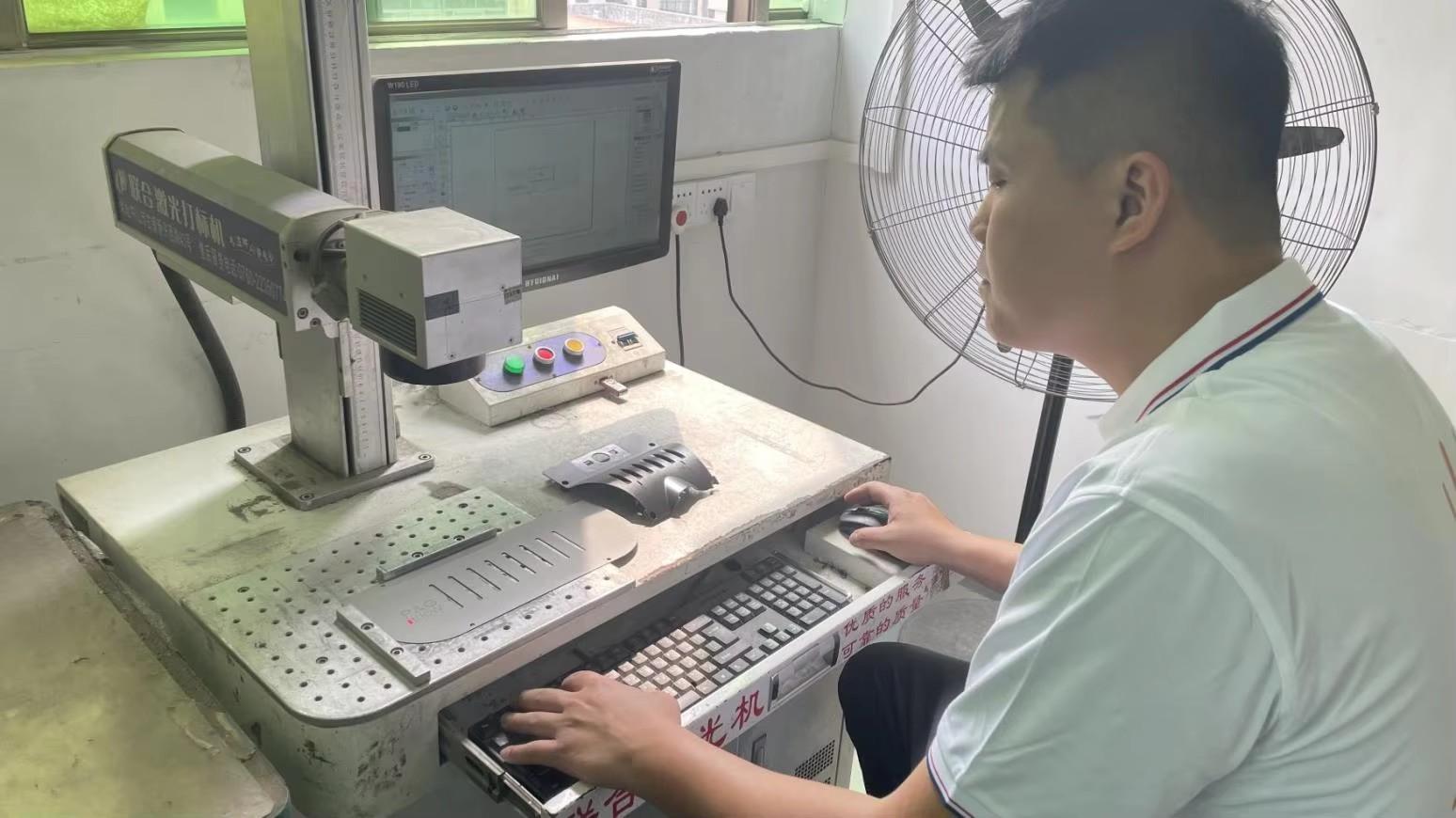
1. Laser Engraving
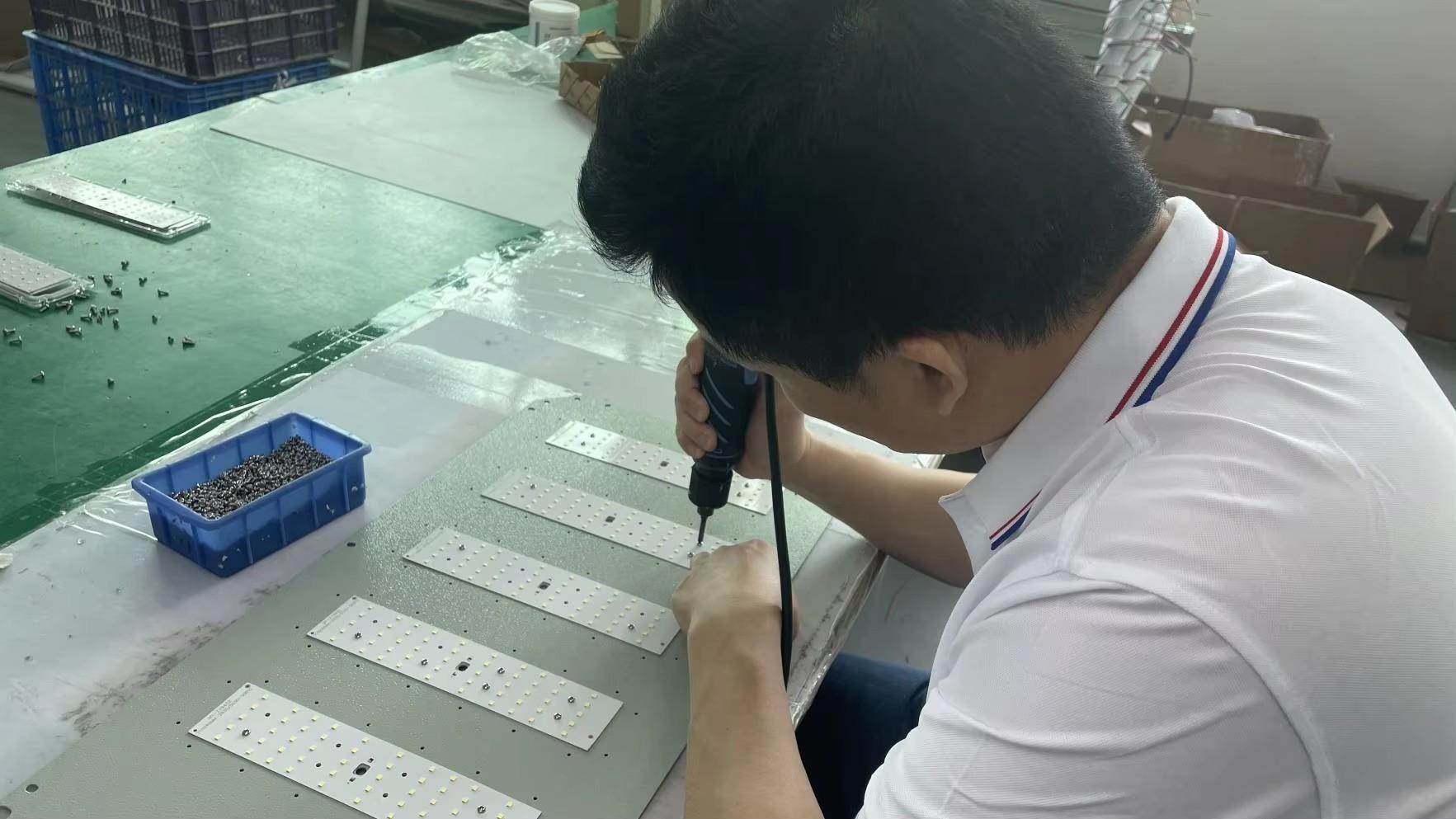
2. Assembling (Component Level)
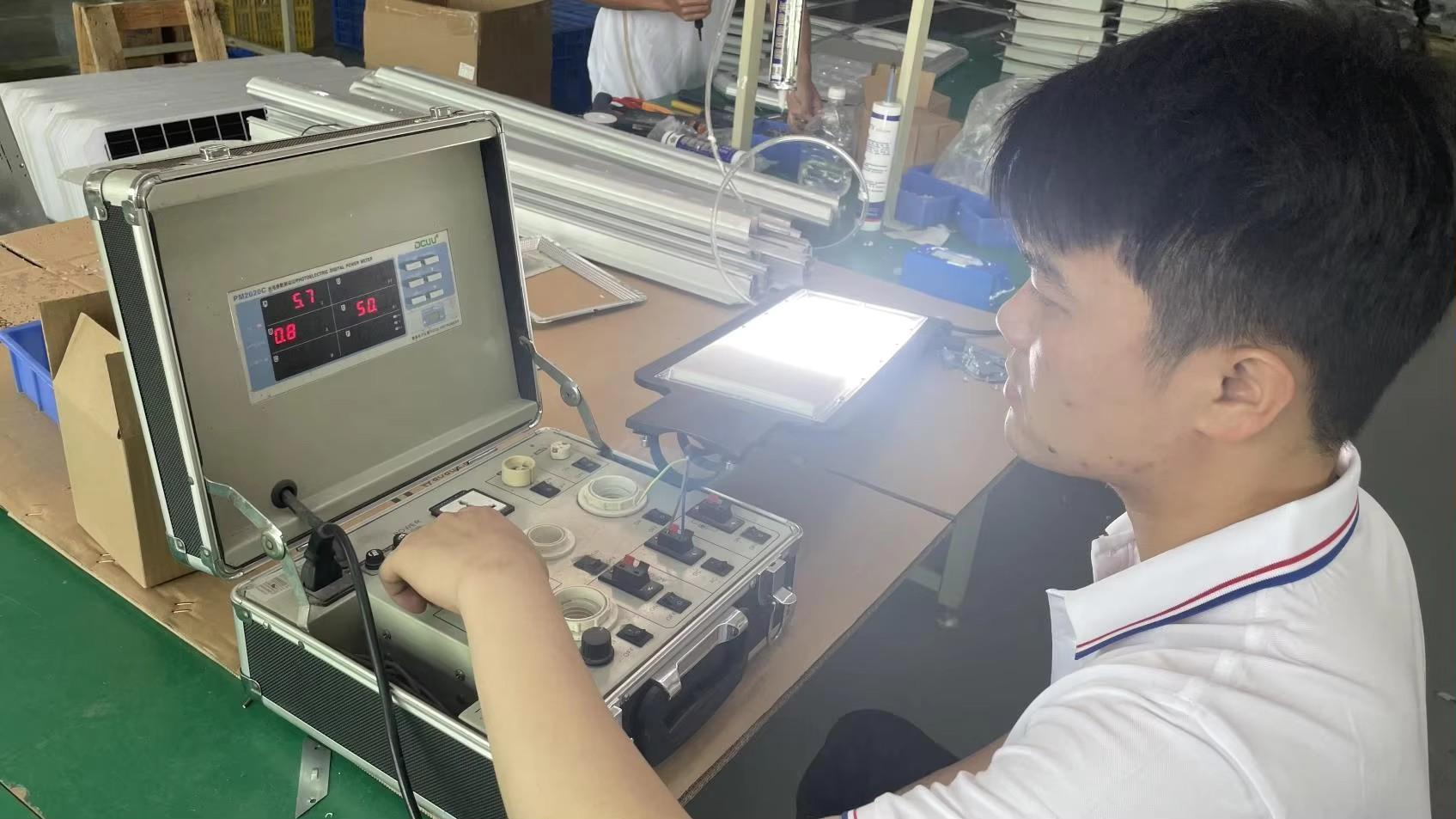
3. Optical & Electrical Testing
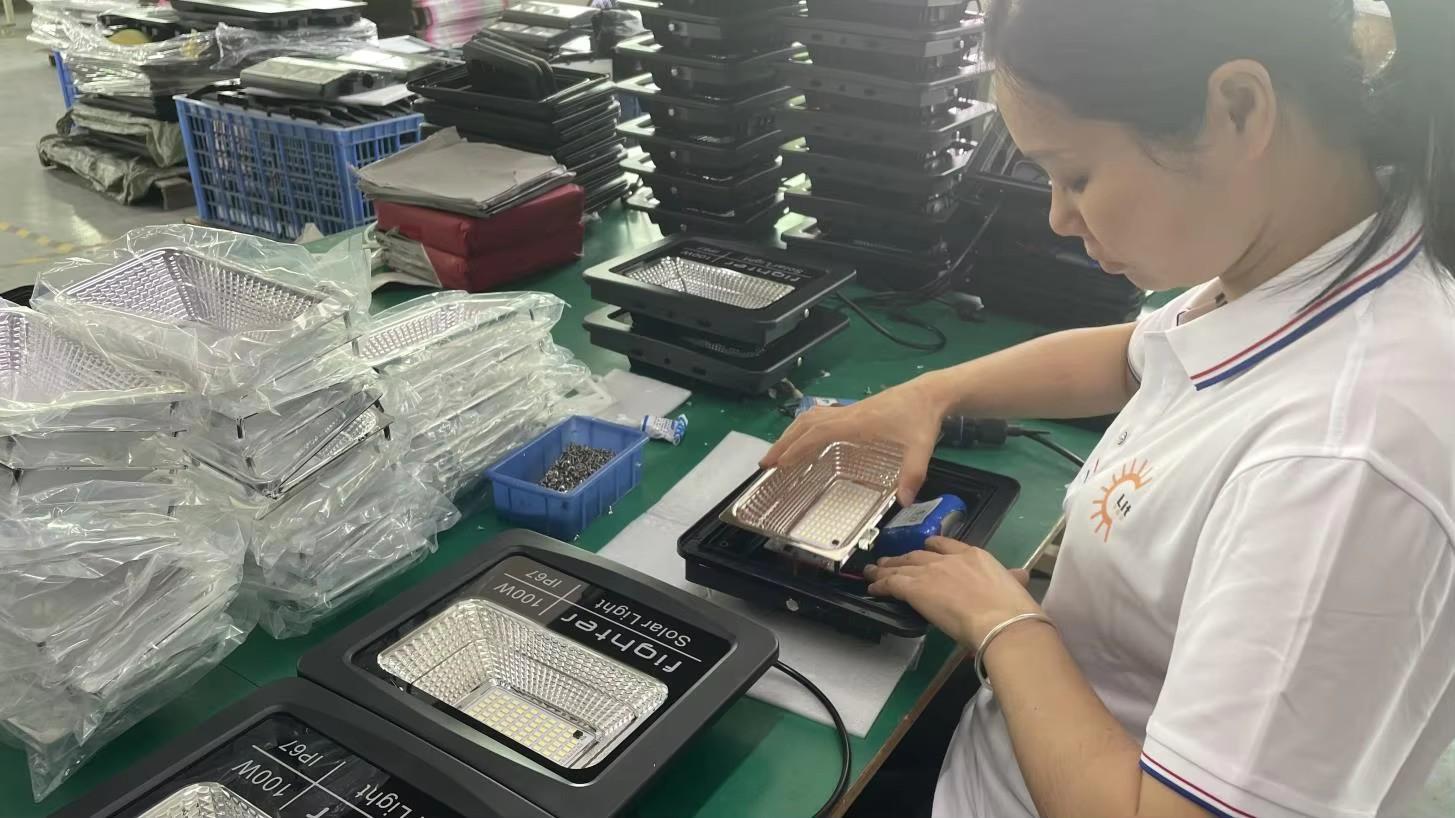
4. Assembling (Integration)
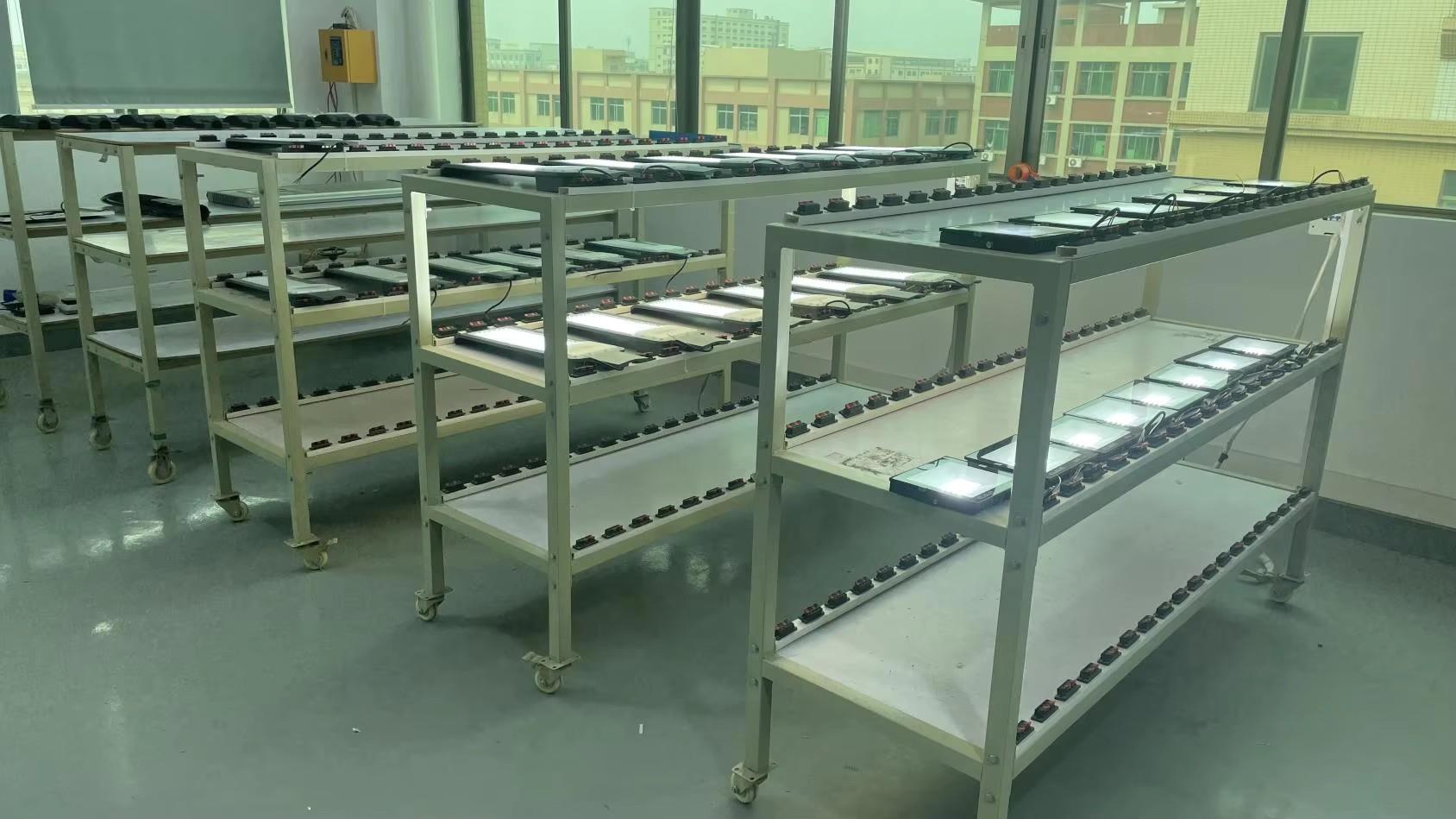
5. Thermal & Load Aging
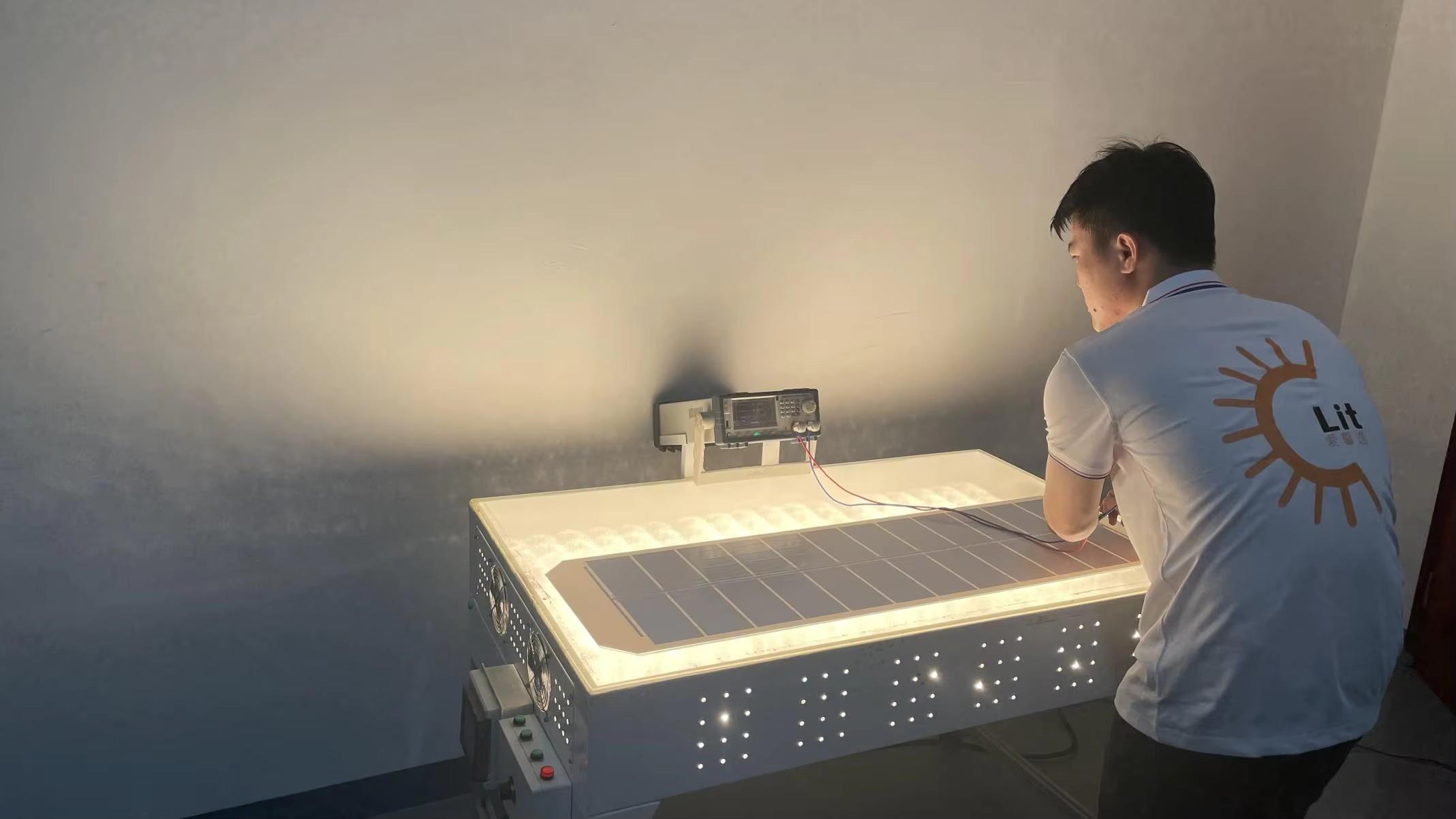
6. EL (Electroluminescence) Testing
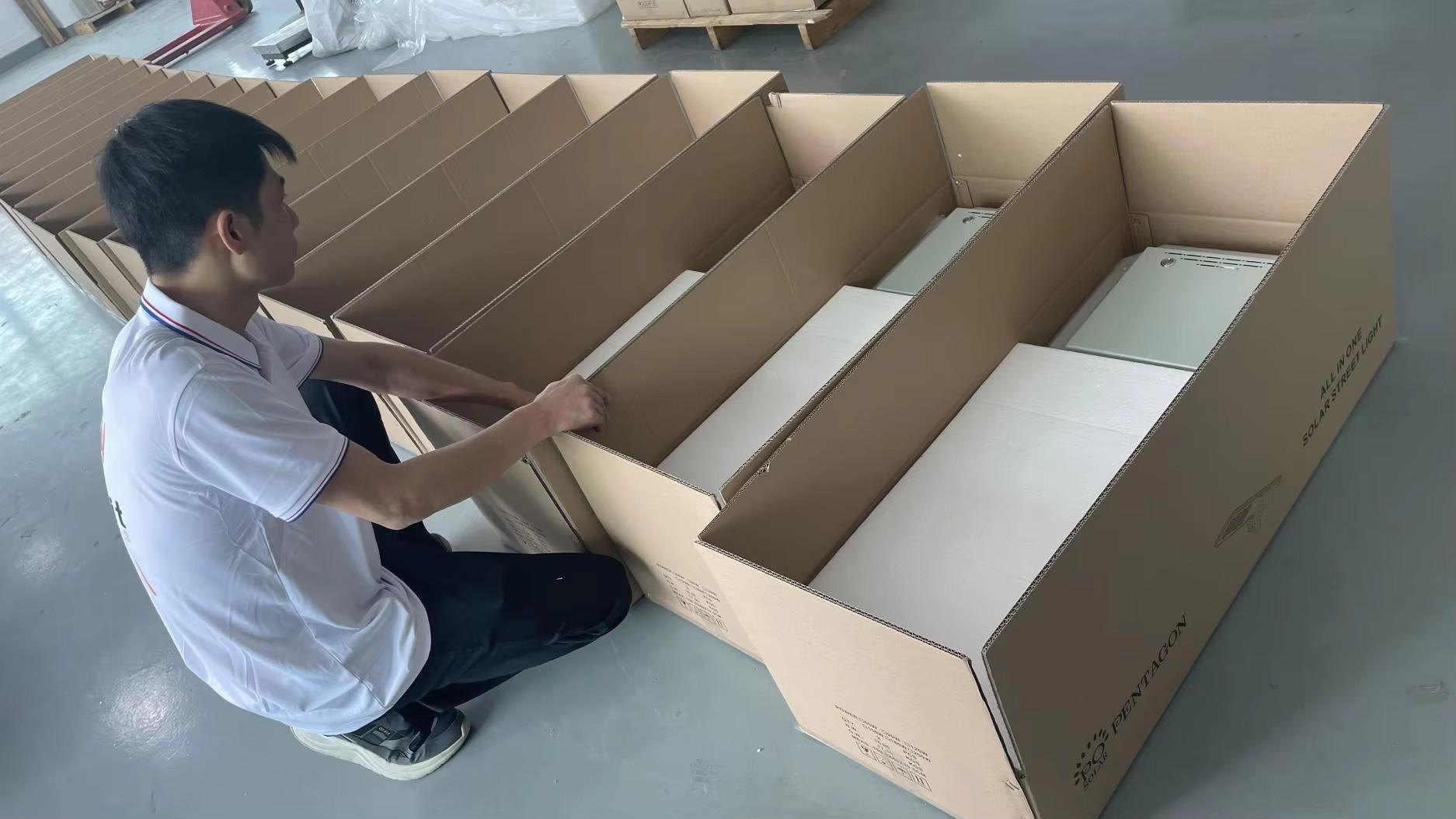
7. Secure Packing
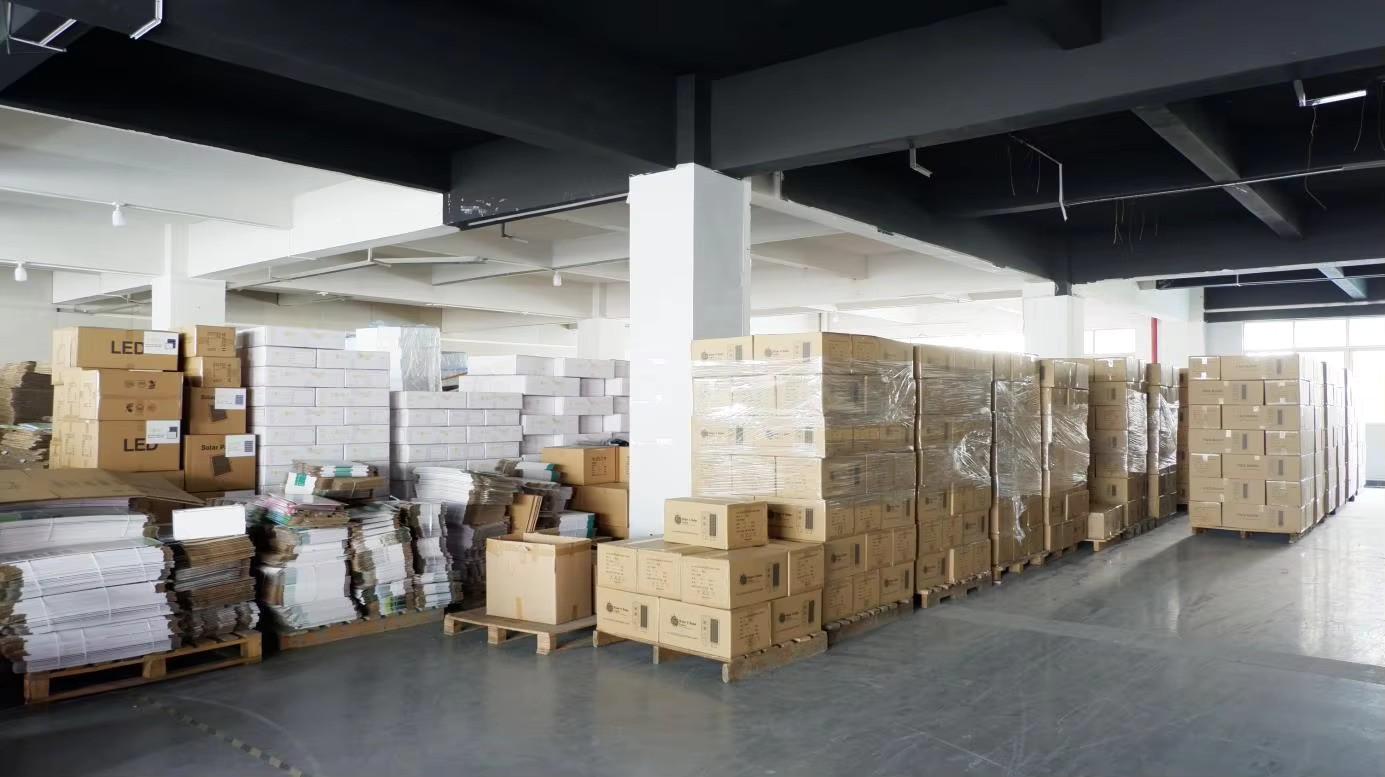
8. Finished Products QC Gate
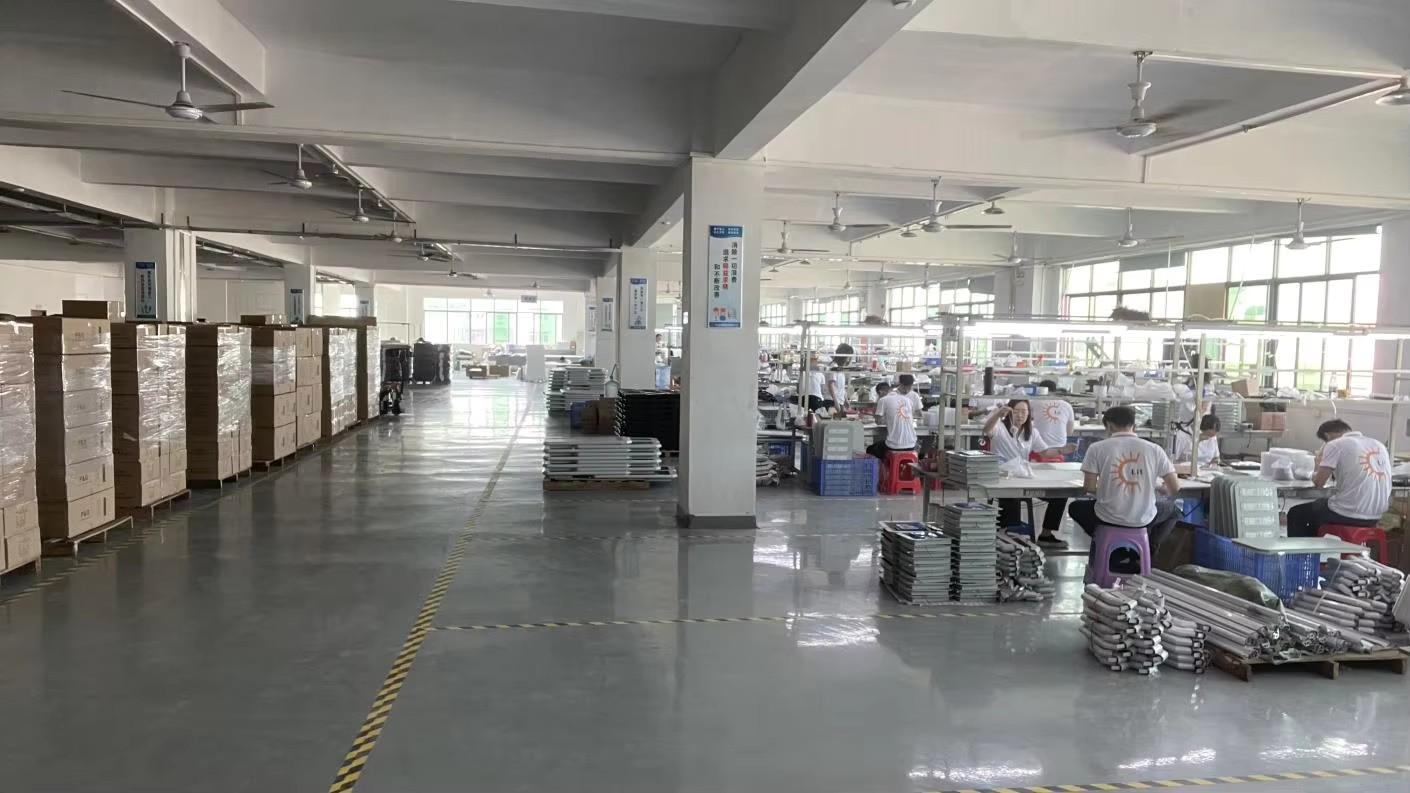
9. Assembly Line Management
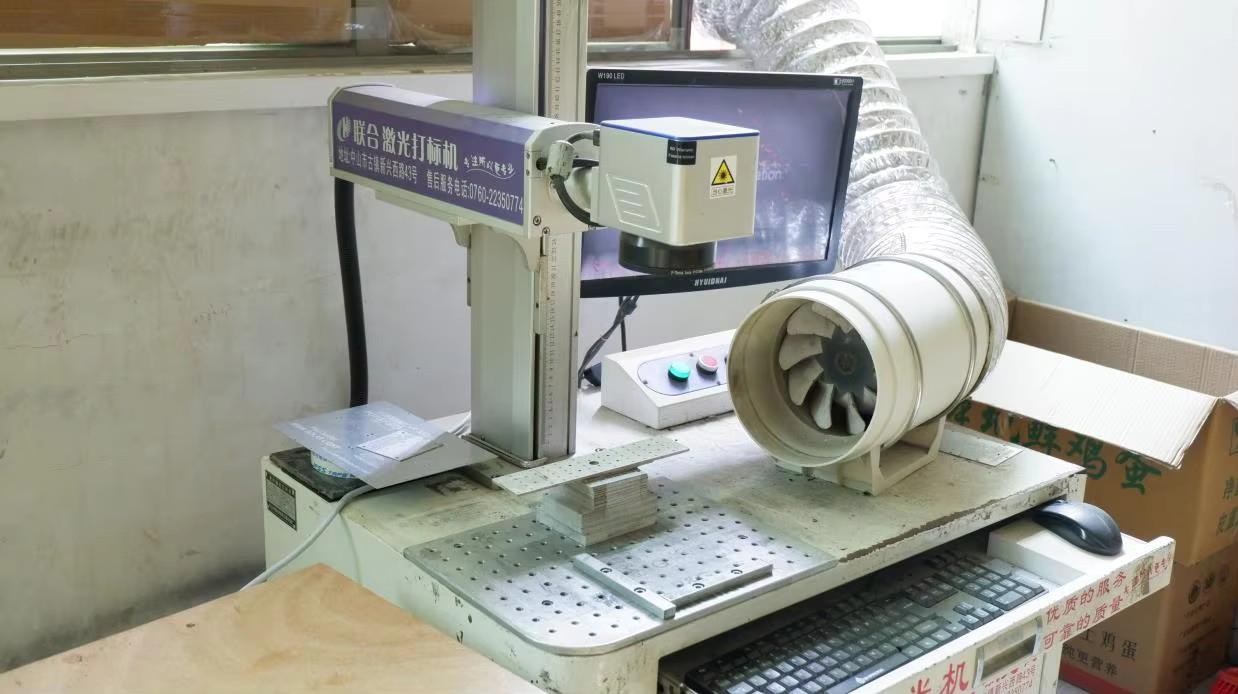
10. High-Precision Laser Tooling
Deciphering the engineering components that determine long-term durability, conversion efficiency, and luminescent longevity.
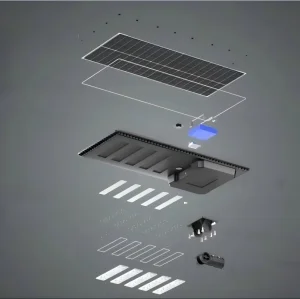
Standard polycrystalline silicon solar cells exhibit conversion rates of only 15% to 17% and degrade quickly under harsh UV conditions. Premium manufacturers like Wuxi Zeteo utilize N-type high-efficiency monocrystalline solar cells with conversion metrics exceeding 22.5%. These cells optimize performance under low-light conditions, ensuring reliable energy generation during overcast or winter seasons.
While basic outdoor lighting relies on simple Pulse Width Modulation (PWM) controllers, commercial-grade systems deploy Maximum Power Point Tracking (MPPT) algorithms. MPPT monitors the panel's V-I curve dynamically, improving system charging efficiency by 20% to 30% compared to traditional circuits. This technology is vital for systems featuring integrated safety configurations, such as CCTV and dual-band transceivers.
Traditional lead-acid or nickel-cadmium batteries fail rapidly under thermal stress. Industrial procurement demands LiFePO4 chemistry, which offers over 3,000 thermal cycles at 80% Depth of Discharge (DoD). Integrated battery management systems (BMS) safeguard these units against thermal runaway, short-circuit issues, and low-temperature charging plateaus.
Cheap ABS plastic degrades under direct UV exposure, causing micro-cracking and subsequent water ingress. High-quality outdoor fixtures leverage die-casting aluminum with anti-corrosive powder coatings. These materials offer IP66 and IP67 ingress protection, ensuring the electronics remain protected in wet conditions.
To balance aesthetics with battery longevity, smart solar yard lights use adaptive dimming. They can run at 100% brightness for the first 3 hours, transition to a dim 30% state, and return to 100% illumination when the PIR motion sensors detect activity. This management extends operational autonomy to up to five continuous rainy days.
Tailoring lighting architectures to specific environmental stresses, layout topologies, and application requirements.
Marine docks and coastal pathways present severe operational challenges due to high relative humidity, airborne salt spray, and shifting winds. Sourcing teams should prioritize specialized components like Marine LED Deck Lights featuring UV-stabilized polycarbonate lenses, 316 stainless steel fasteners, and salt-mist resistance certification to prevent premature structural breakdown.
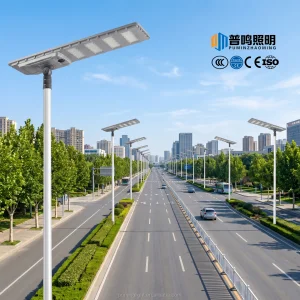
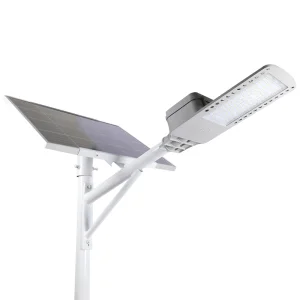
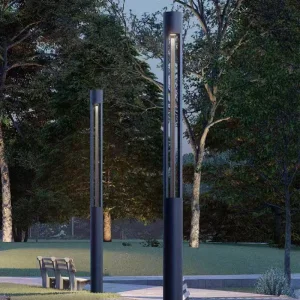
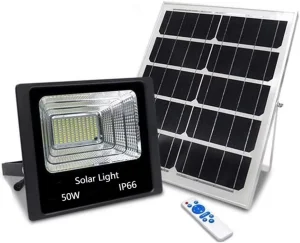
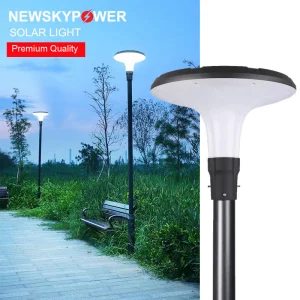
Urban public parks require lighting solutions with high vandalism resistance and reliable all-night operation. Combining high-efficacy integrated solar street lamps with sturdy, wind-resistant poles ensures safe lighting for pathways. These systems can also incorporate built-in CCTV networks to enhance public safety without needing separate electrical infrastructure.
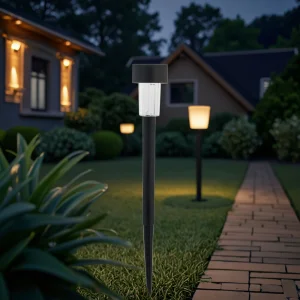
Outdoor dining venues, luxury resorts, and event properties often need customizable, decorative lighting solutions that are easy to install. Integrating solar-powered string lights and crystal ball bubble lamps allows properties to set up warm, inviting lighting layouts quickly, avoiding the need for complex electrical work or dangerous extension cords.
Why sourcing from vertically integrated Chinese suppliers ensures price efficiency, technical consistency, and supply chain security.
China's photovoltaic ecosystem has evolved from simple assembly facilities to a leading innovation cluster. This industrial integration offers foreign buyers several key advantages:
To ensure product quality and international market compliance, Wuxi Zeteo Light Co., Ltd. has obtained multiple international certifications, including ISO9001, ISO14001, ISO45001, TUV, CE, IEC, CEC, MCS, CQC, and other authoritative certifications. Our products have been widely exported to more than 100 countries and regions across Europe, South America, Southeast Asia, the Middle East, Africa, and Oceania, earning strong trust and recognition from global customers and partners.
Critical engineering and logistics answers for sourcing directors, architectural planners, and project managers.
Discover architectural solar solutions designed for villa parks, public pathways, marine environments, and high-visibility corporate landscapes.
 Zeteo Light