Zeteo Light
Industry Analysis: The Global Rise of Solar Motion Sensor Technology
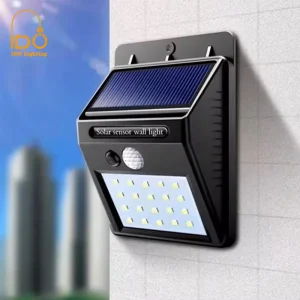
In the current era of global energy transition, solar motion sensor lights have evolved from simple "on/off" security devices into critical components of smart outdoor infrastructure. These systems integrate high-efficiency photovoltaic panels, long-life Lithium Iron Phosphate (LiFePO4) batteries, and sensitive PIR/Microwave sensors to provide autonomous illumination. The shift toward sustainable energy has propelled the market demand for reliable, industrial-grade solar lighting solutions in urban streetscapes, residential security, and commercial landscapes.
China’s Manufacturing Edge: Why Global Procurement Shifts East
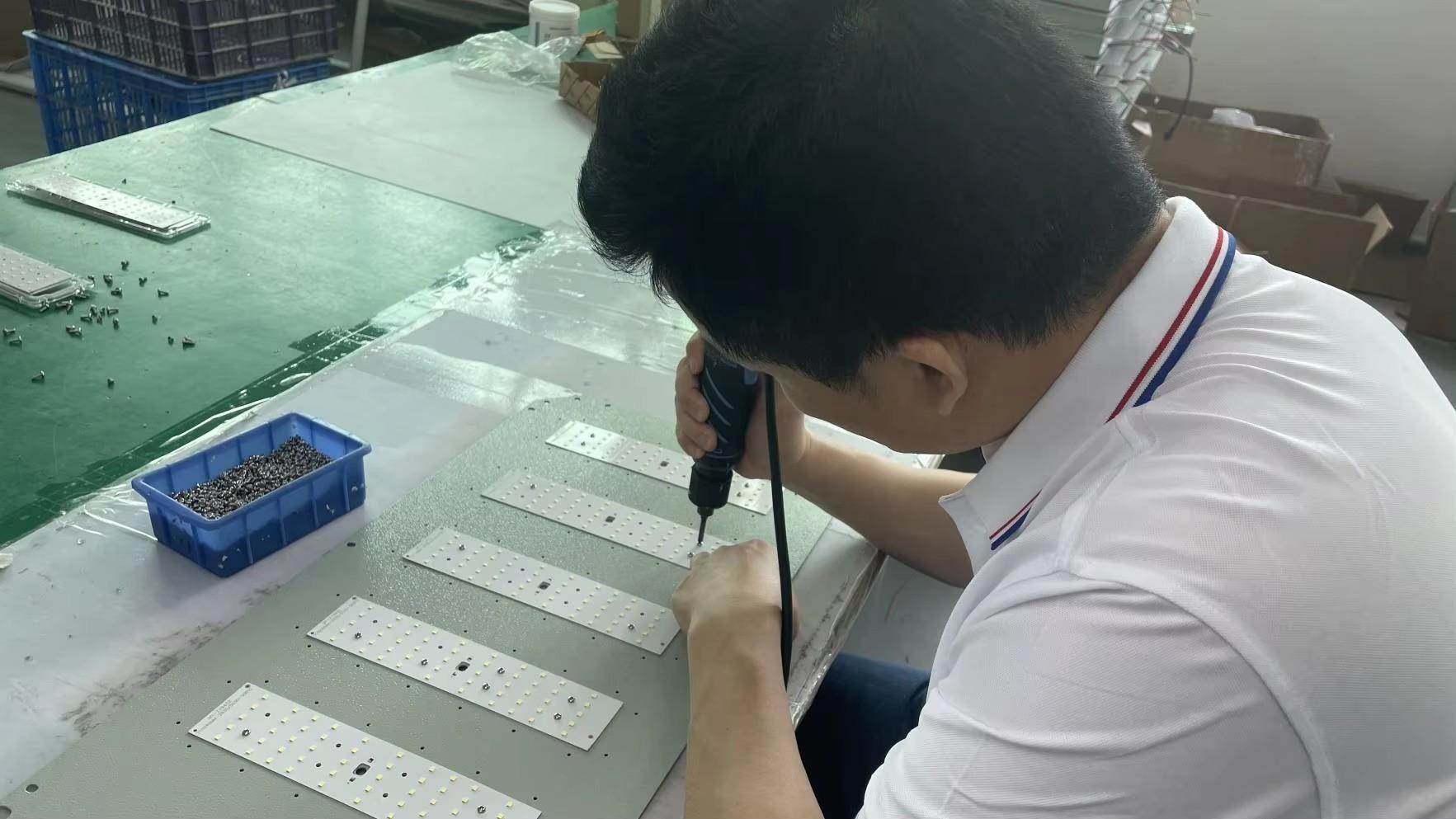
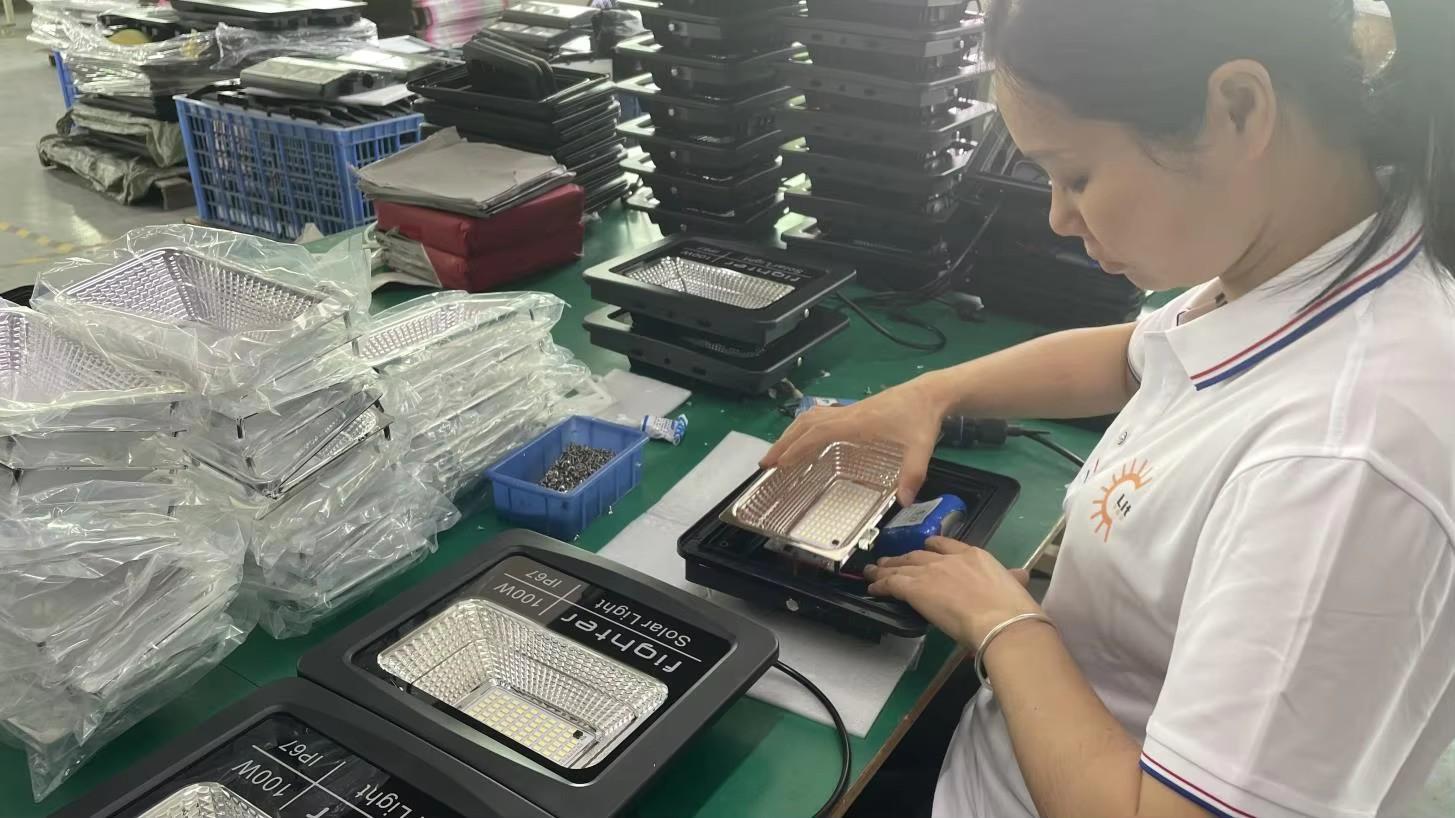
China has established itself as the epicenter of the global solar lighting industry, primarily due to the "Vertical Integration" model. Unlike assembly-only competitors, manufacturers like Wuxi Zeteo Light Co., Ltd. control the supply chain from PV cell technology to energy storage integration. This mastery allows for rigorous cost optimization while maintaining high performance—a critical advantage when competing for international tenders that require large-scale, long-term operational stability.
Annual PV Module Capacity
Energy Storage Capacity
Countries Served
Understanding E-E-A-T in Solar Procurement
For B2B buyers and commercial project managers, sourcing solar equipment goes beyond price. Search engines and industry buyers prioritize E-E-A-T (Experience, Expertise, Authoritativeness, Trustworthiness). When evaluating suppliers, consider:
- Certification Depth: Does the supplier hold ISO9001, TUV, CE, and IEC certifications? These are non-negotiable for public sector or large commercial grid deployments.
- R&D Capability: High-end manufacturers offer ODM/OEM customization. This ensures that the solar lighting solution is tailored to the specific climatic conditions of your project, whether it's high heat in the Middle East or low light conditions in Northern Europe.
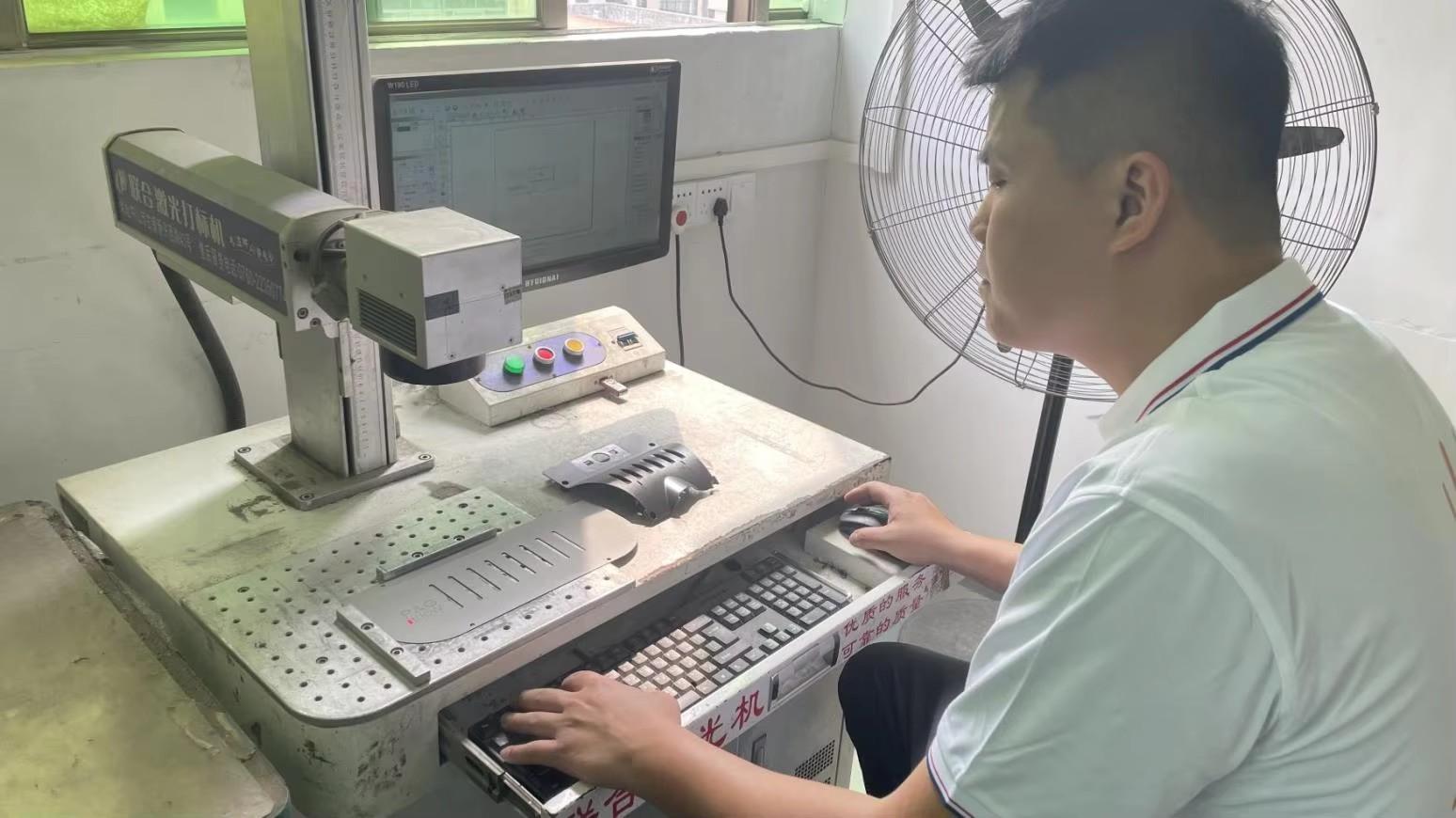
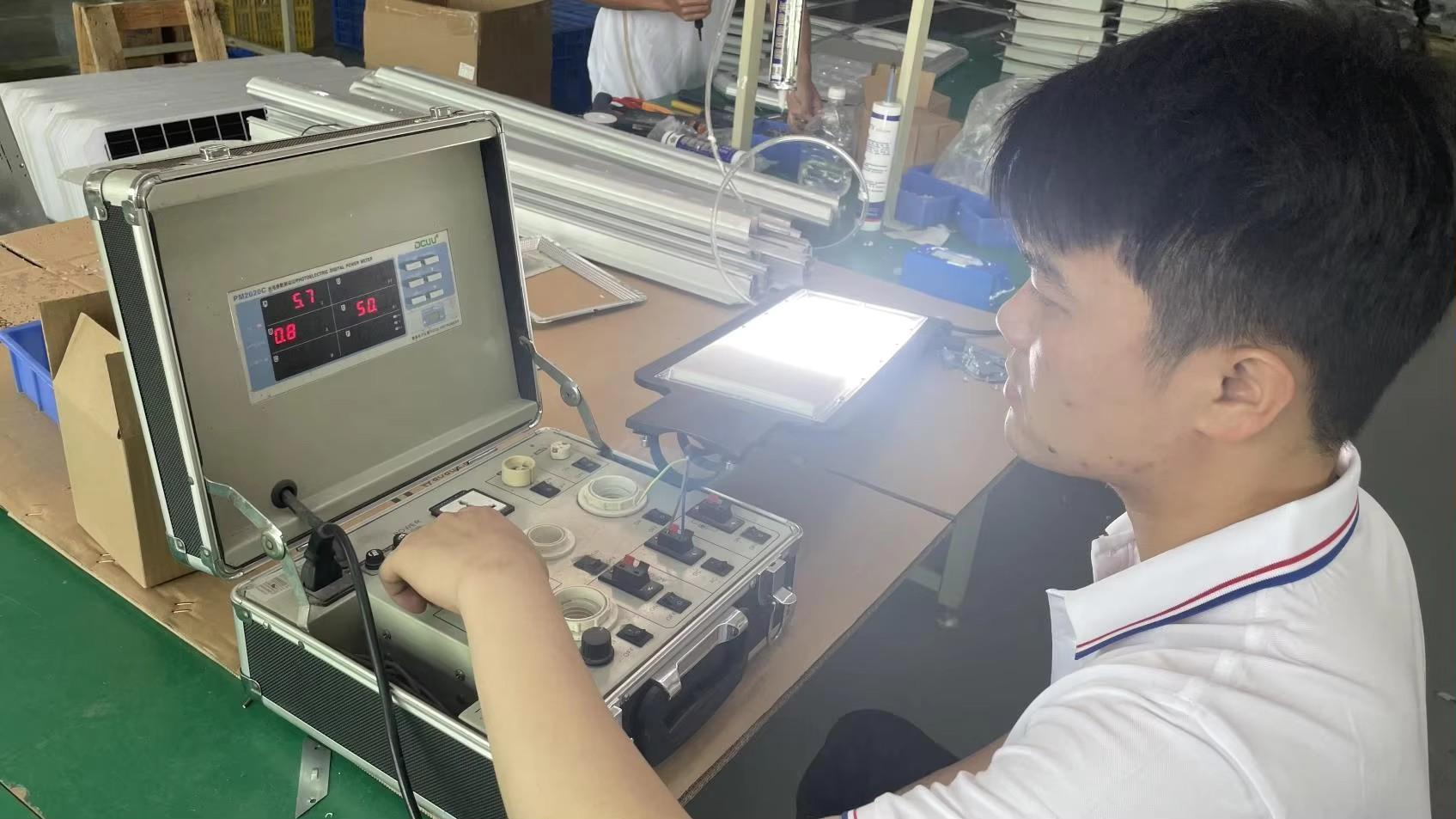
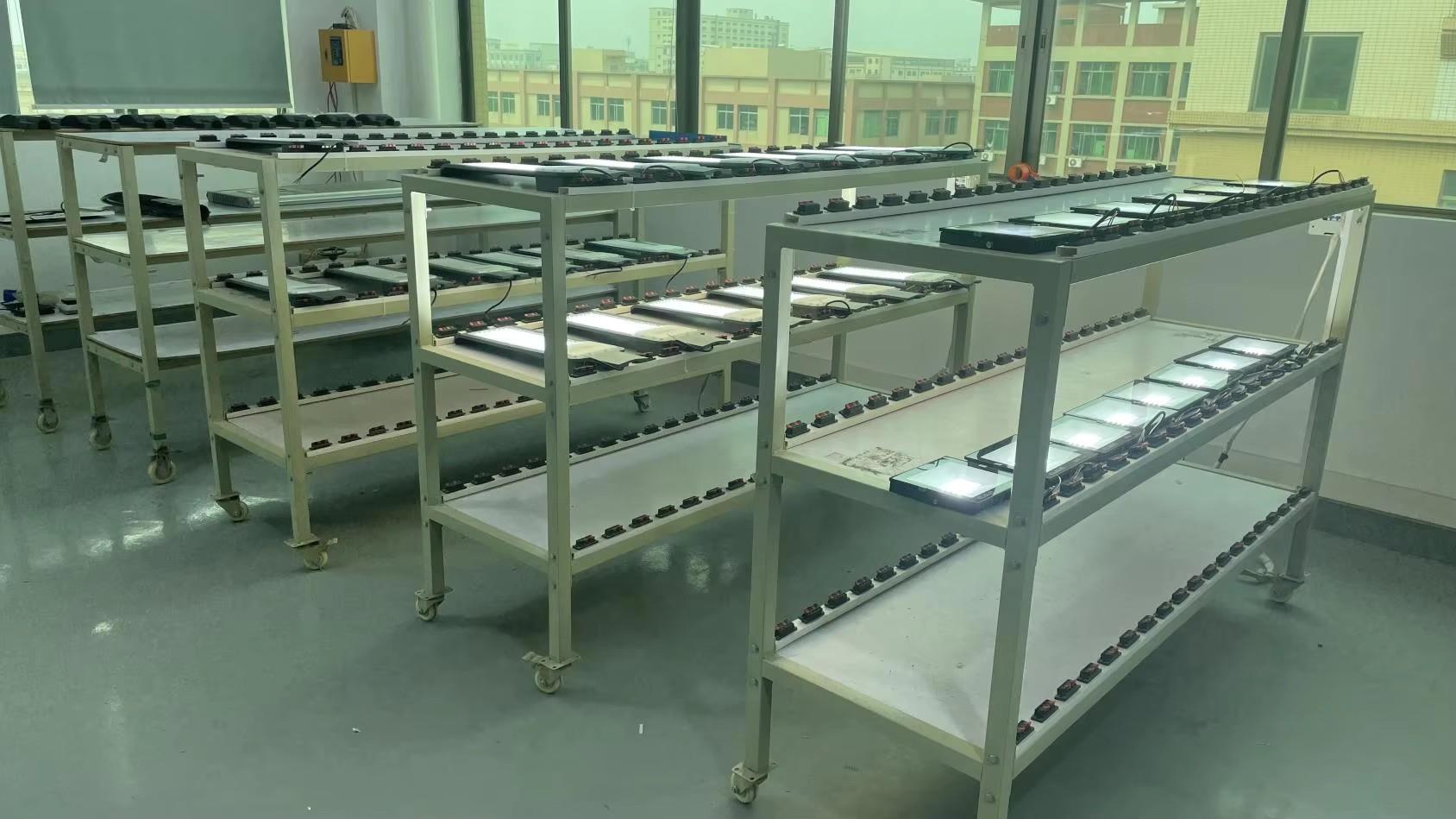
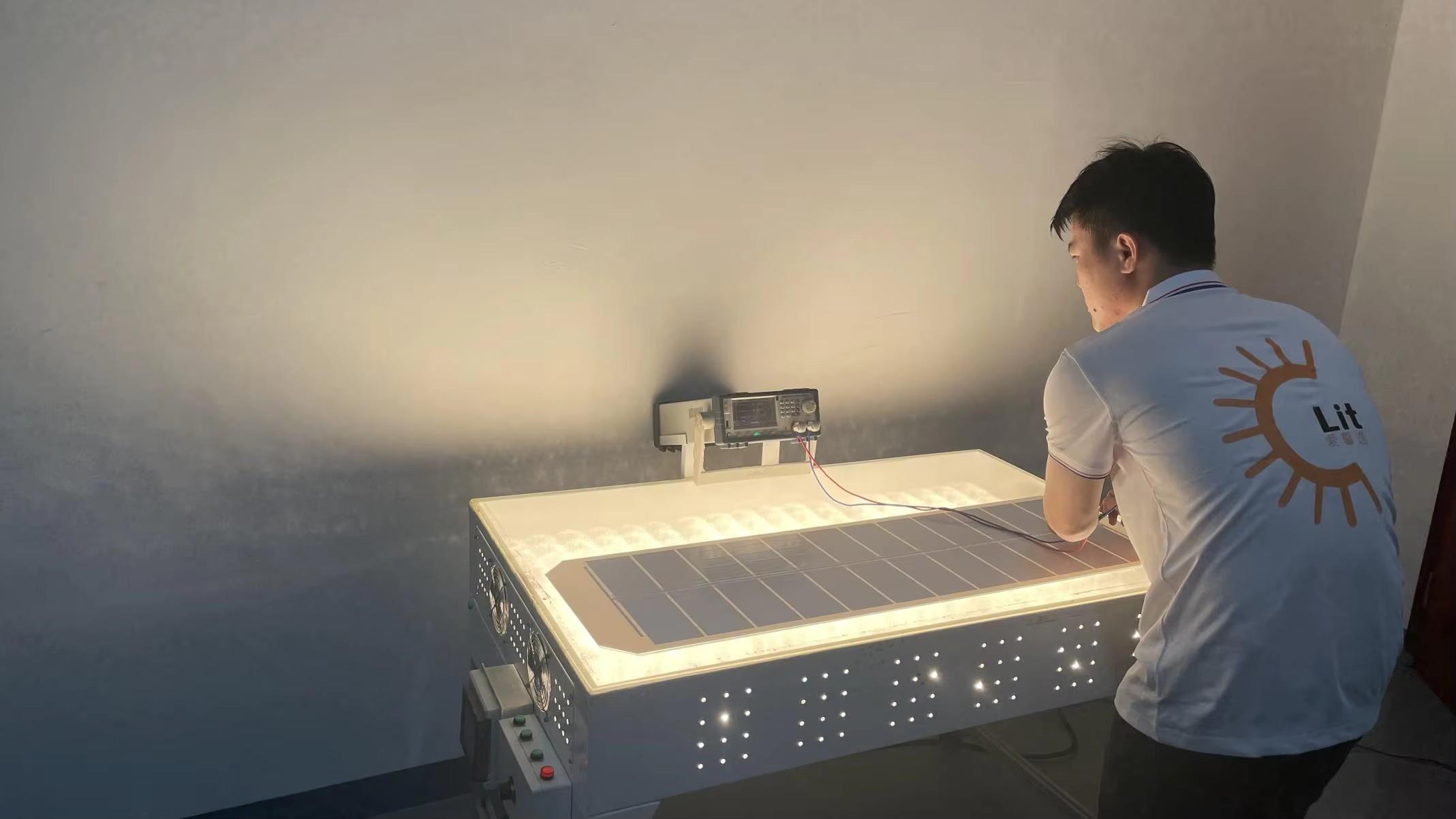
- Quality Assurance: Look for evidence of EL Testing, aging tests, and precise laser engraving. These indicators demonstrate that a manufacturer prioritizes lifecycle longevity over short-term gain.
Technological Trends: What’s Next for Solar Lighting?
The trend is clear: Smart Integration. Future-proof solar motion sensor lights now include:
- AI-Driven Motion Detection: Moving beyond simple passive infrared, systems are now integrating edge-computing to differentiate between humans, vehicles, and pets to prevent false activations.
- IoT Connectivity: Solar street lights are becoming nodes in the Smart City, reporting battery health and luminosity data back to central servers via 4G/WiFi.
- Adaptability: Enhanced IP67/68 ratings allow for survival in extreme coastal, desert, and tropical environments.