Zeteo Light
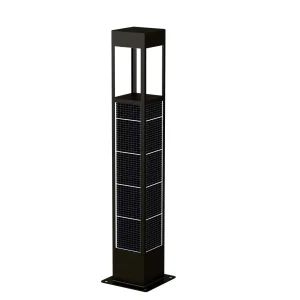
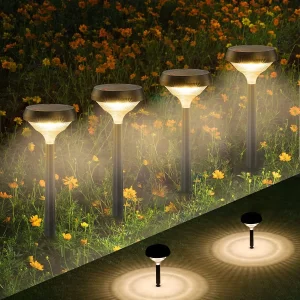
Gitarama’s Infrastructure Evolution and Solar Pathway Demand
Gitarama, located in the Muhanga District of the Southern Province, serves as a vital logistics, agricultural, and administrative node in Rwanda. As urban planning under the country's Vision 2050 framework accelerates, municipal planners and developers are increasingly transitioning from traditional grid-dependent high-pressure sodium lamps to self-sustaining solar pathway systems. The challenges of localized grid stability, coupled with high solar irradiance averaging 5.0 to 5.5 kWh/m²/day, present an ideal setting for high-efficiency photovoltaic infrastructure.
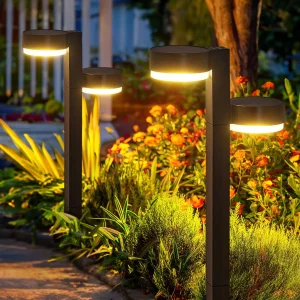
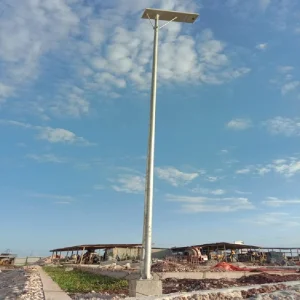
For municipal authorities, public park administrators, and industrial warehouse operators in Gitarama, installing robust solar pathway lights mitigates the high capital expenditures associated with underground cabling and trenching in Rwanda's hilly topography. The deployment of decentralized solar systems ensures consistent illumination along public footpaths, commercial access roads, and institutional complexes, supporting nighttime commerce, safety, and community integration.
Global Corporate Sourcing and Technical Procurement Requirements
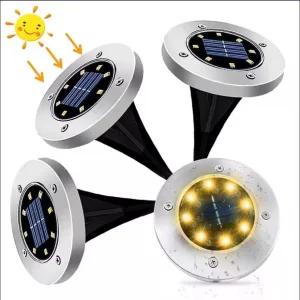
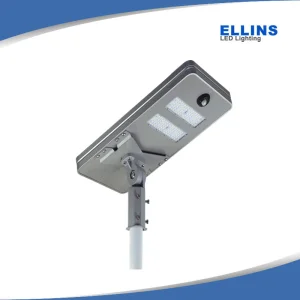
Global procurement teams and local EPC contractors operating in East Africa look for specific technical standards to optimize Levelized Cost of Energy (LCOE) and Return on Investment (ROI). Standard residential-grade landscape lights fail under heavy tropical rain seasons and high humidity. Therefore, commercial solar pathway projects in Gitarama require industrial-grade components:
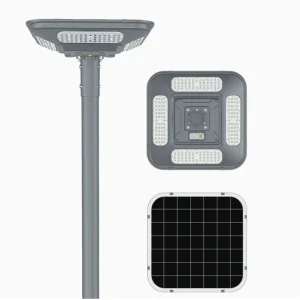
- Photovoltaic Conversion Efficiency: Monocrystalline silicon cells featuring PERC technology with conversion efficiencies exceeding 21.5% to maximize power generation under overcast conditions.
- Energy Storage Lifespan: High-cycle Lithium Iron Phosphate (LiFePO4) batteries with smart thermal management systems, capable of delivering over 3,000 deep discharge cycles (DOD 80%).
- Luminaires and Optical Performance: High-efficacy LED chips (bridging 160 to 180 lumens per watt) combined with asymmetrical batwing light distribution lenses to increase pole spacing while eliminating light pollution.
- Intelligent Power Regulation: MPPT (Maximum Power Point Tracking) controllers integrated with microwave motion sensors and programmable dimming profiles to guarantee 3 to 5 continuous rainy days of autonomy.
Procurement Insight: Overcoming the Equatorial Micro-Climate Challenge
Due to Gitarama's high elevation and alternating dry and heavy precipitation periods, solar panels accumulate fine dust and pollen (soiling loss) followed by heavy water washing. Procurement specifications must mandate self-cleaning angles (minimum 15-degree tilt) and dustproof coatings, coupled with bypass diodes to eliminate hot-spot risks caused by localized shading.
Macro-Industry Solar Solutions & Technical Roadmap
The solar street and pathway lighting industry is transitioning toward fully integrated IoT-managed structures. In tomorrow's smart cities, pathway poles will serve as data hubs, integrating ambient environment monitors, CCTV cameras, and public Wi-Fi hot spots, all powered by high-capacity monocrystalline solar panels and modular lithium storage systems.
Our ongoing technical roadmap centers on the integration of bifacial solar modules in bollard structures and the application of solid-state battery chemistry. By optimizing heat dissipation within the battery compartment, our systems maintain optimum operating temperatures (below 45°C), preventing thermal runaway and extending operational lifespans to over a decade in tropical conditions.