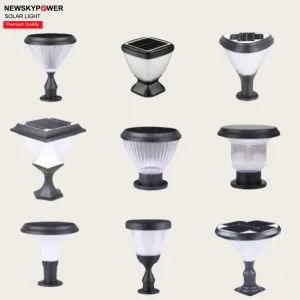
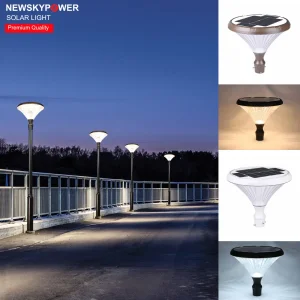
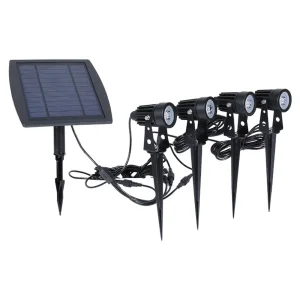
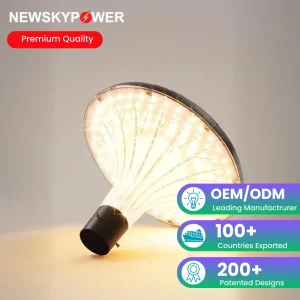
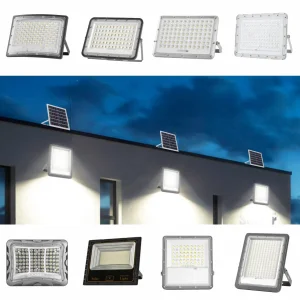
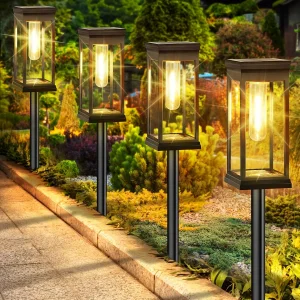
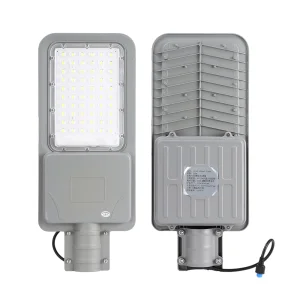
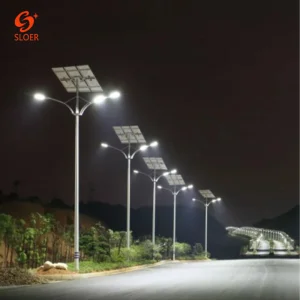
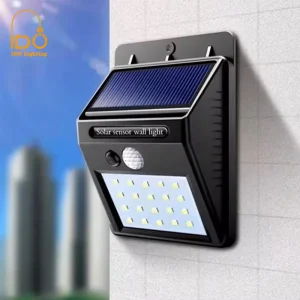
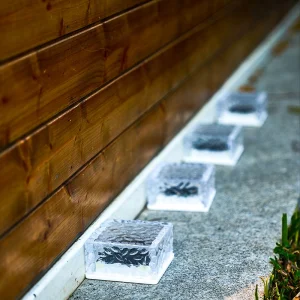
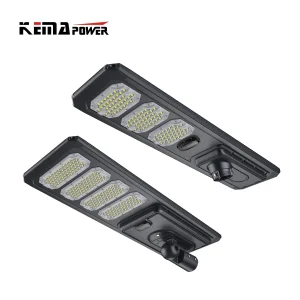
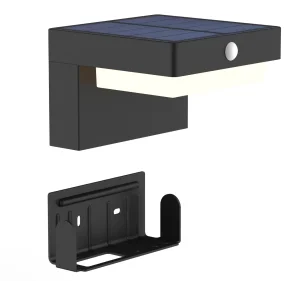
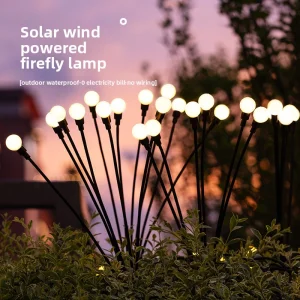
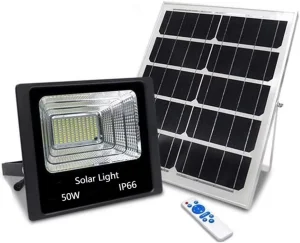
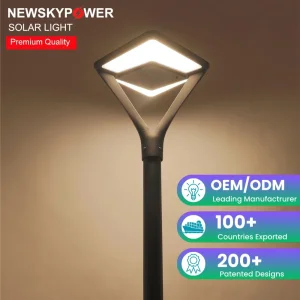
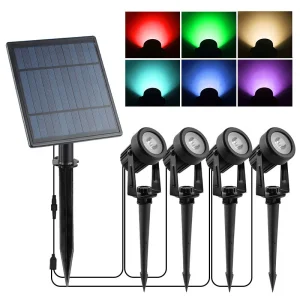
Engineered to deliver high-lumen structural illumination under extreme environmental conditions. Explore our premium commercial selections below.
The global transition to sustainable infrastructure has fundamentally changed the scope of architectural and hospitality lighting designs. Solar market umbrella lights, once considered simple residential accents, have evolved into sophisticated smart off-grid commercial illumination hubs. High-density commercial districts, luxury resort properties, municipal parks, and alfresco dining establishments are actively leveraging solar-integrated outdoor furnishings to fulfill decarbonization goals while minimizing localized structural installation costs.
Integrating PV modules directly into heavy-duty commercial umbrella frames requires a precise combination of engineering practices: optimized crystalline cell matrices, high thermal threshold lithium battery banks, and intelligent micro-controllers capable of dynamic power distribution. These advanced configurations guarantee uniform illuminance and extend operational reliability across variable meteorological seasons.
For procurement directors managing corporate contracts, sourcing from factory-direct exporters involves evaluating critical engineering metrics rather than relying solely on catalog aesthetic designs. High-performance solar umbrella lights must be optimized for key factors: high power conversion efficiency (PCE) in micro-solar panels, strict lifecycle thermal run tolerances of localized lithium energy storage cells, and standard mechanical resistance ratings against wind loads and environmental moisture ingress (IP65 up to IP68 classifications).
Furthermore, global export logistics demand that manufacturing facilities hold extensive logistics certifications—specifically, UN38.3 packaging standards for standard lithium-ion batteries—to guarantee compliant ocean and air transport. The alignment of these structural, electrical, and legal frameworks separates true premium-grade exporters from low-cost generalists.
Modern architectural layouts are moving away from traditional grid-tied wiring systems for outdoor spaces. The civil engineering costs associated with trenching, running electrical conduits, and obtaining municipal permits for public walkways can be substantial. Solar integration offers a flexible, decentralized solution that eliminates recurring grid operating costs.
To address this demand, top manufacturers utilize highly modular structures. Standard commercial umbrella masts are engineered to function as autonomous microgrids. Solar energy captured by flexible copper indium gallium selenide (CIGS) cells or premium monocrystalline panels is funneled directly into the frame. From there, it is converted and stored inside internal lithium iron phosphate (LiFePO4) battery packs, which power low-voltage LED arrays, wireless device charging stations, and IoT-enabled environmental monitoring sensors.
A professional high-tech enterprise specializing in the research, development, manufacturing, and sales of solar photovoltaic products and energy storage solutions.
Inside Zeteo Light's state-of-the-art facilities: precise assembly, advanced testing systems, and automated production stages.
Our modern manufacturing facility utilizes automated high-speed cell cutters, laser scribers, automatic tabbers, and specialized EL (Electroluminescence) testing equipment. By maintaining vertical integration over solar cell configuration, component assembly, and energy storage packaging, we ensure every finished solar lighting system provides reliable operational life.
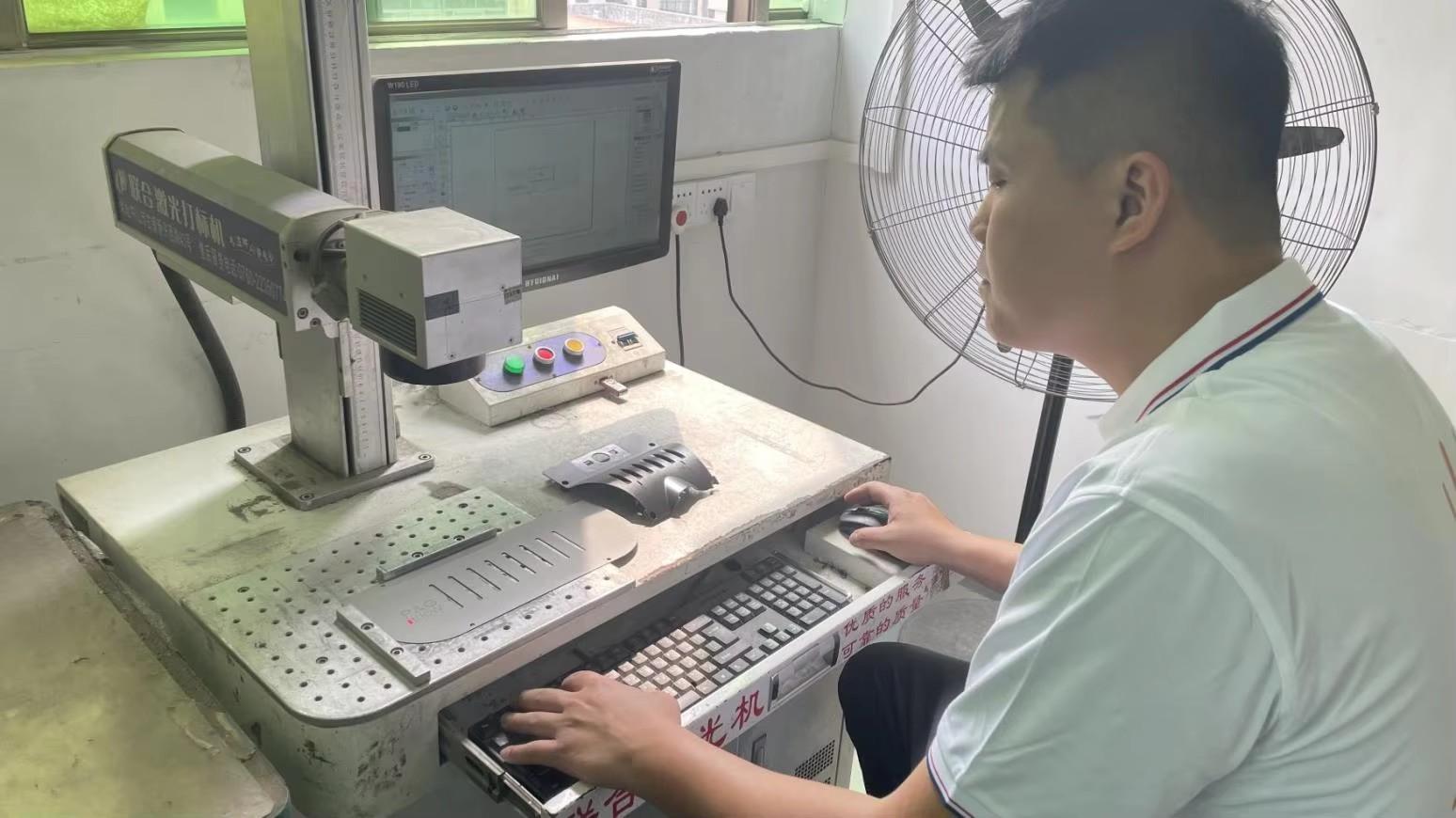
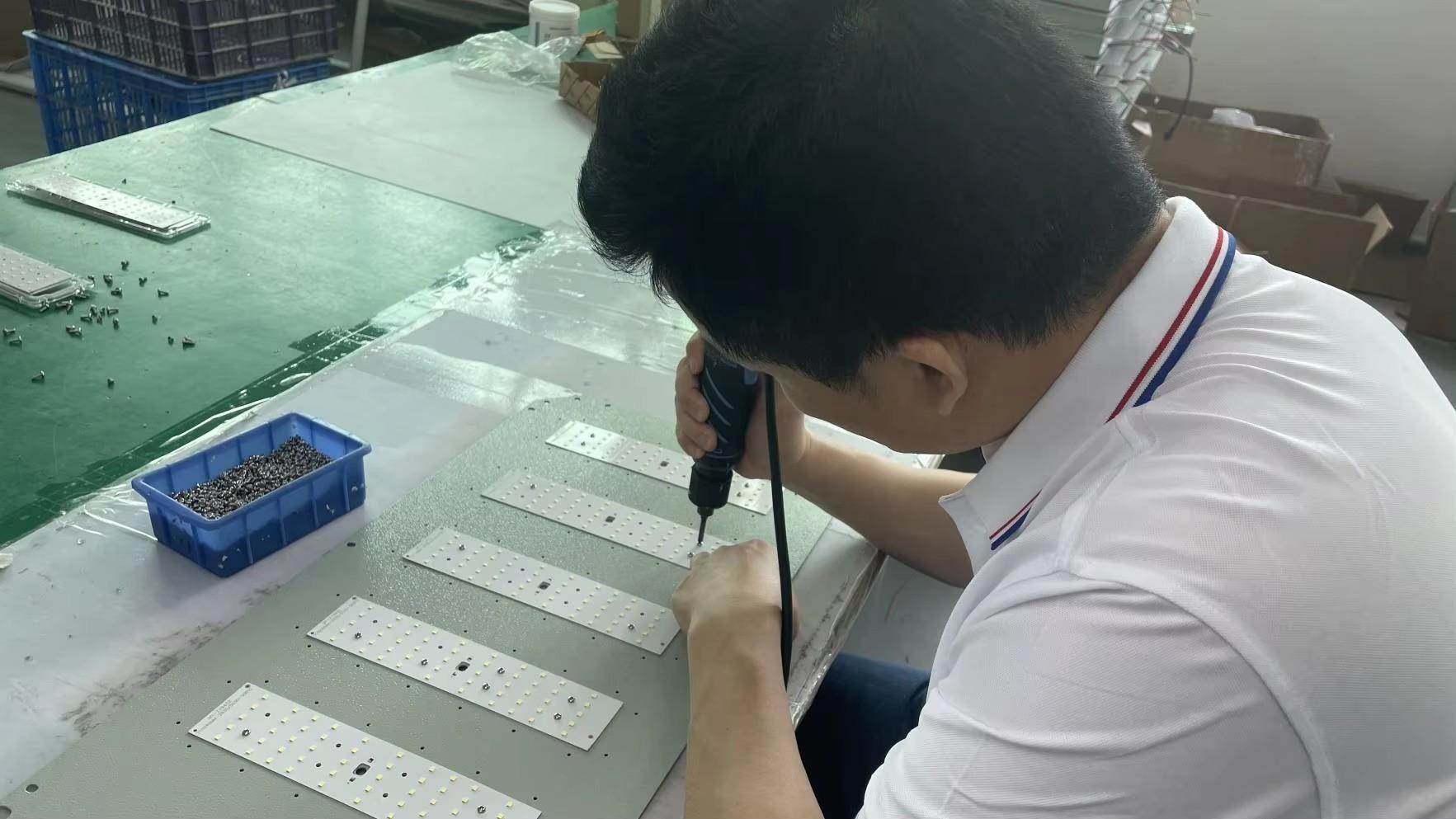
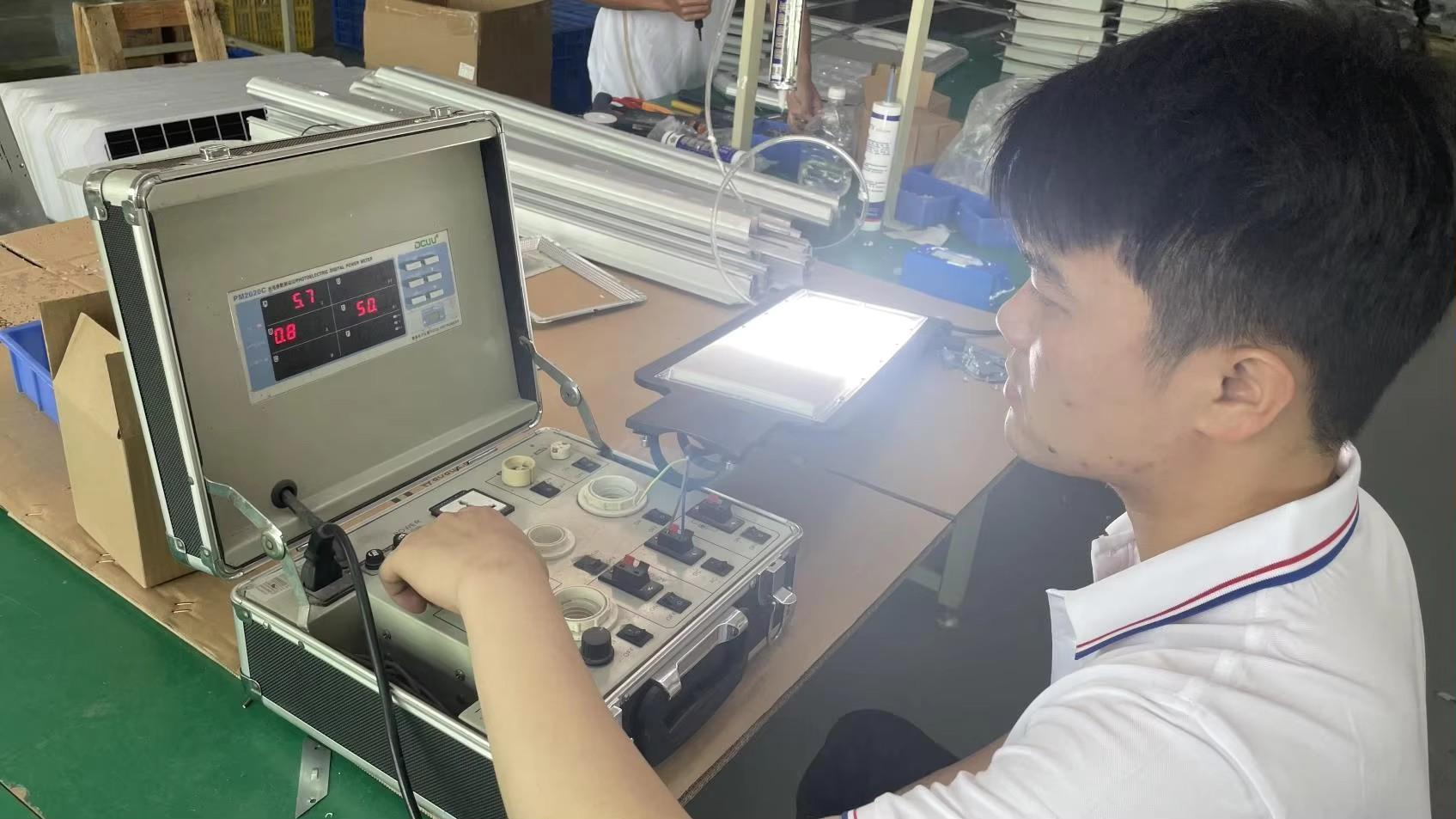
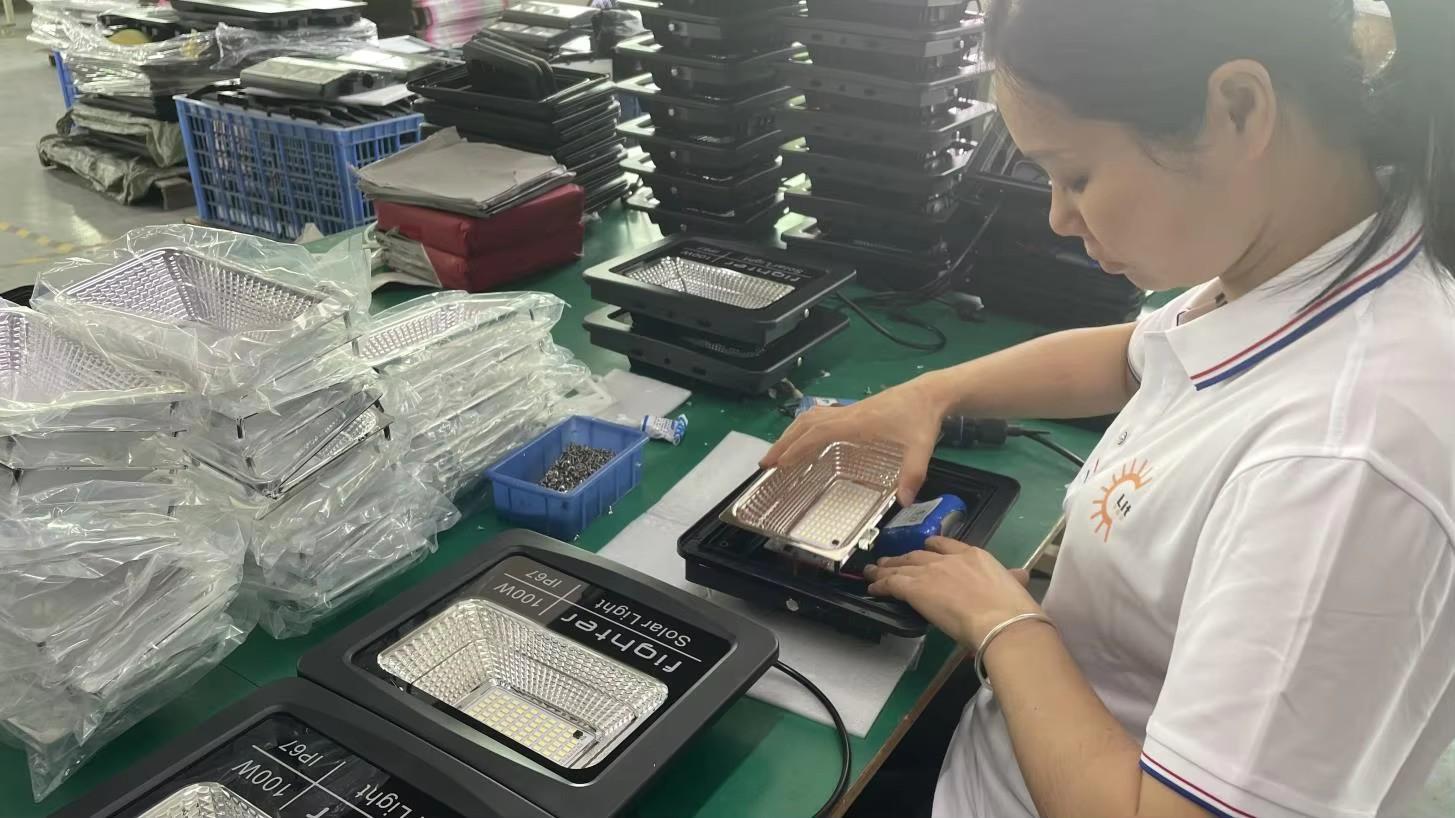
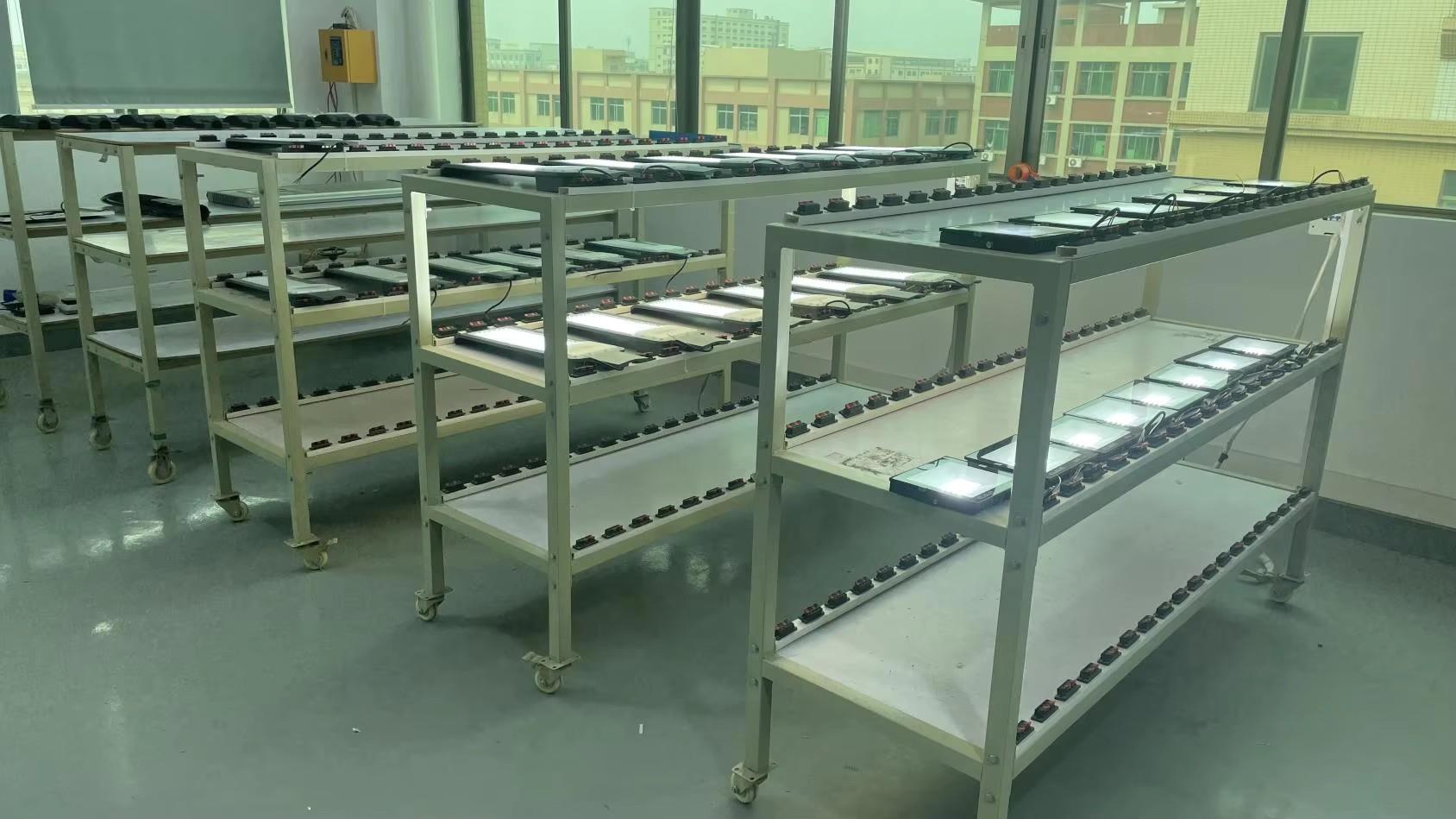
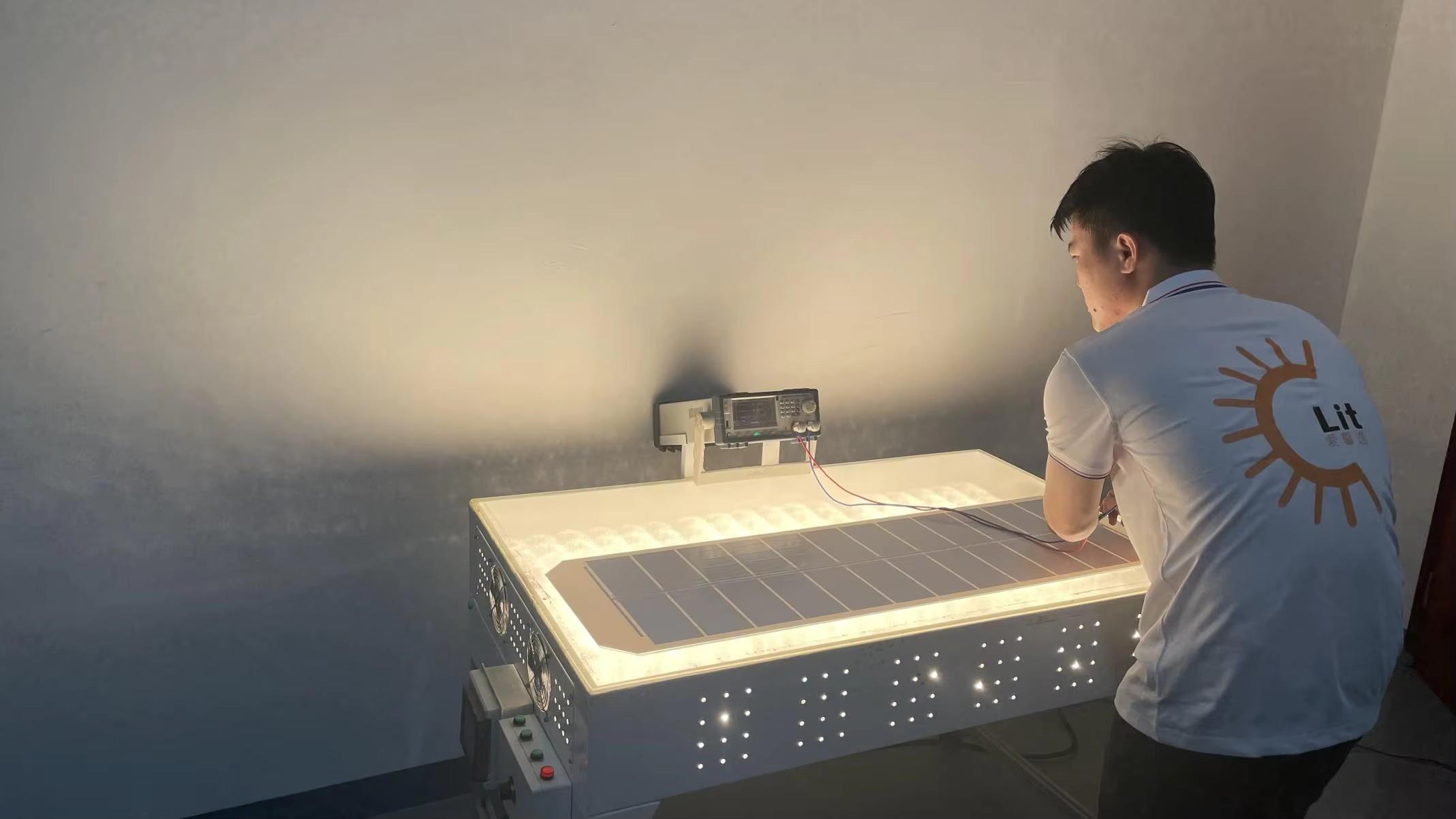
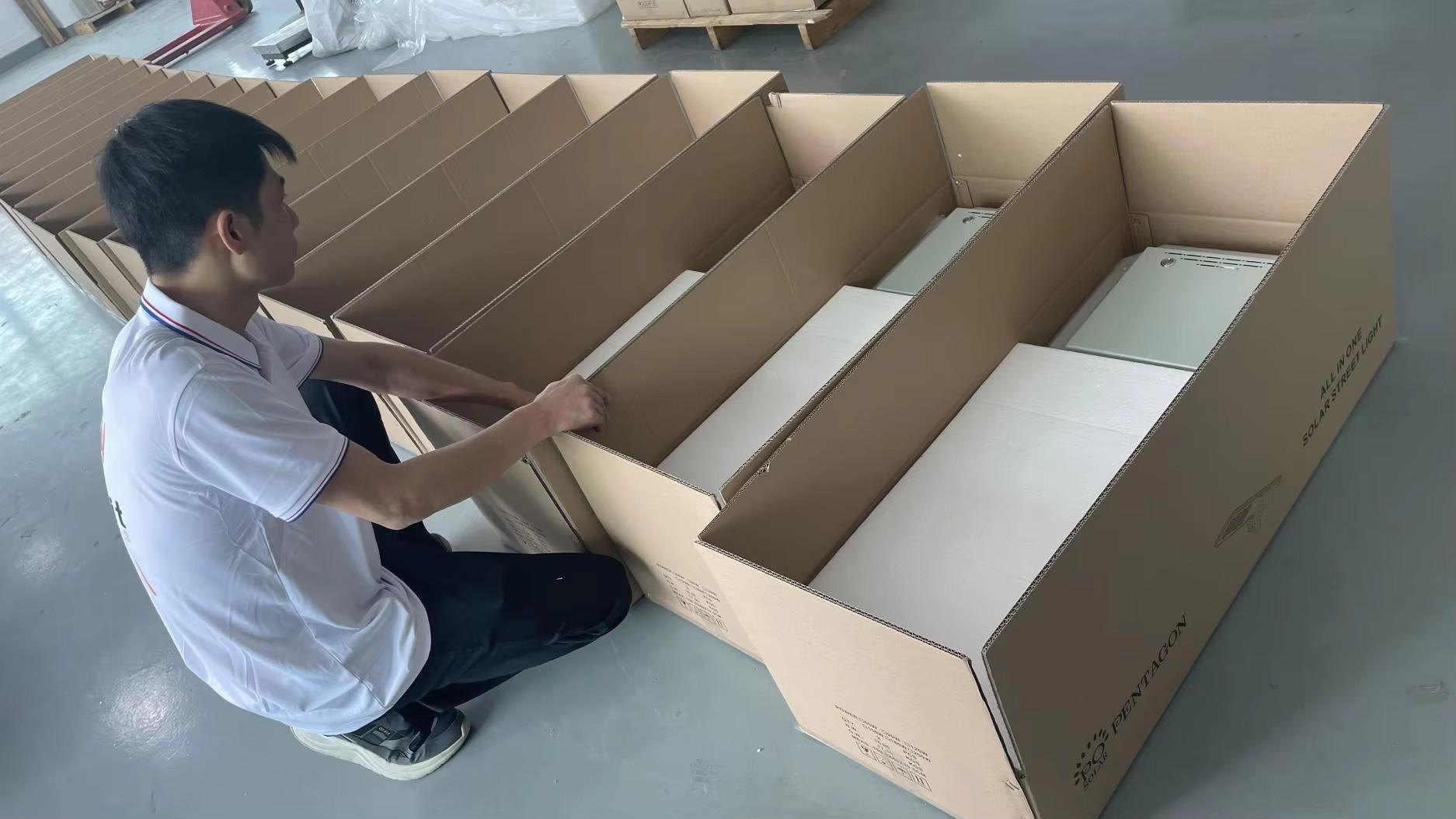
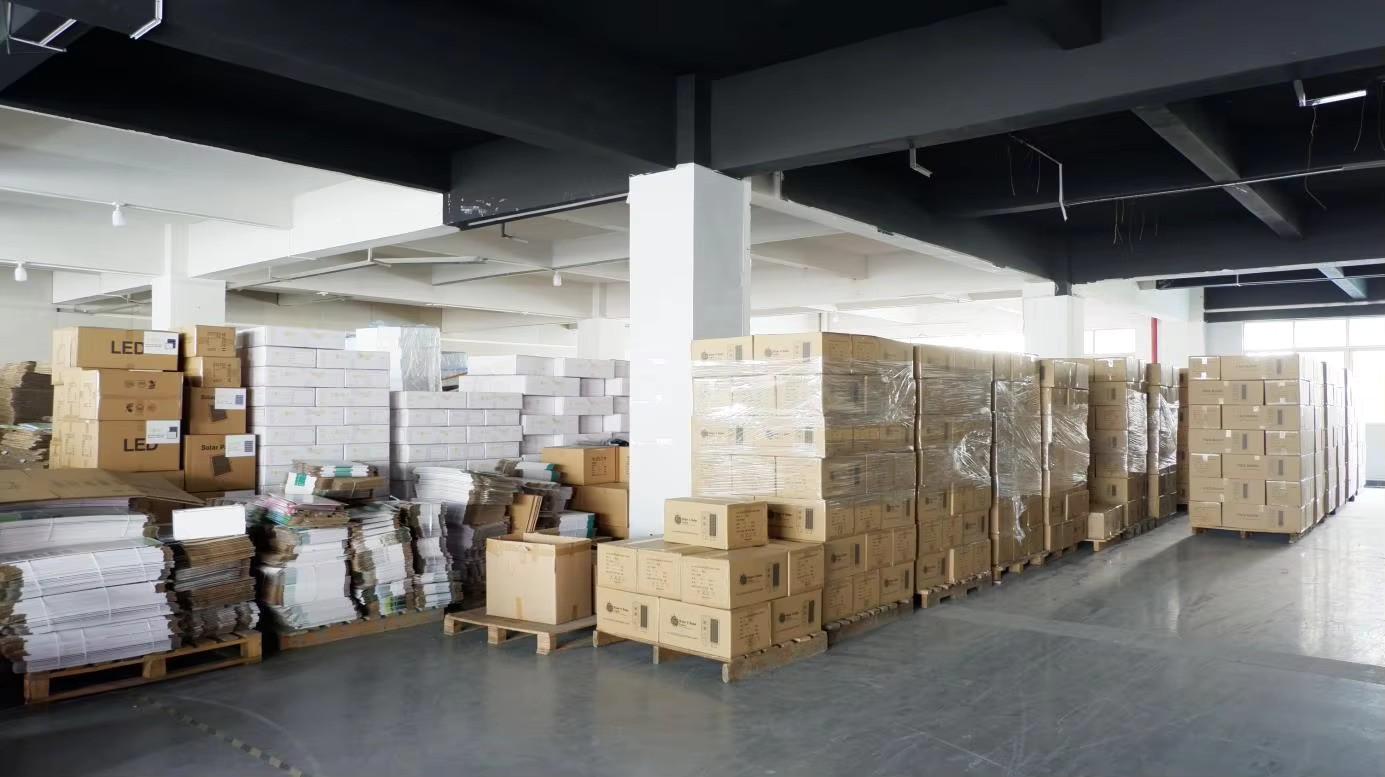
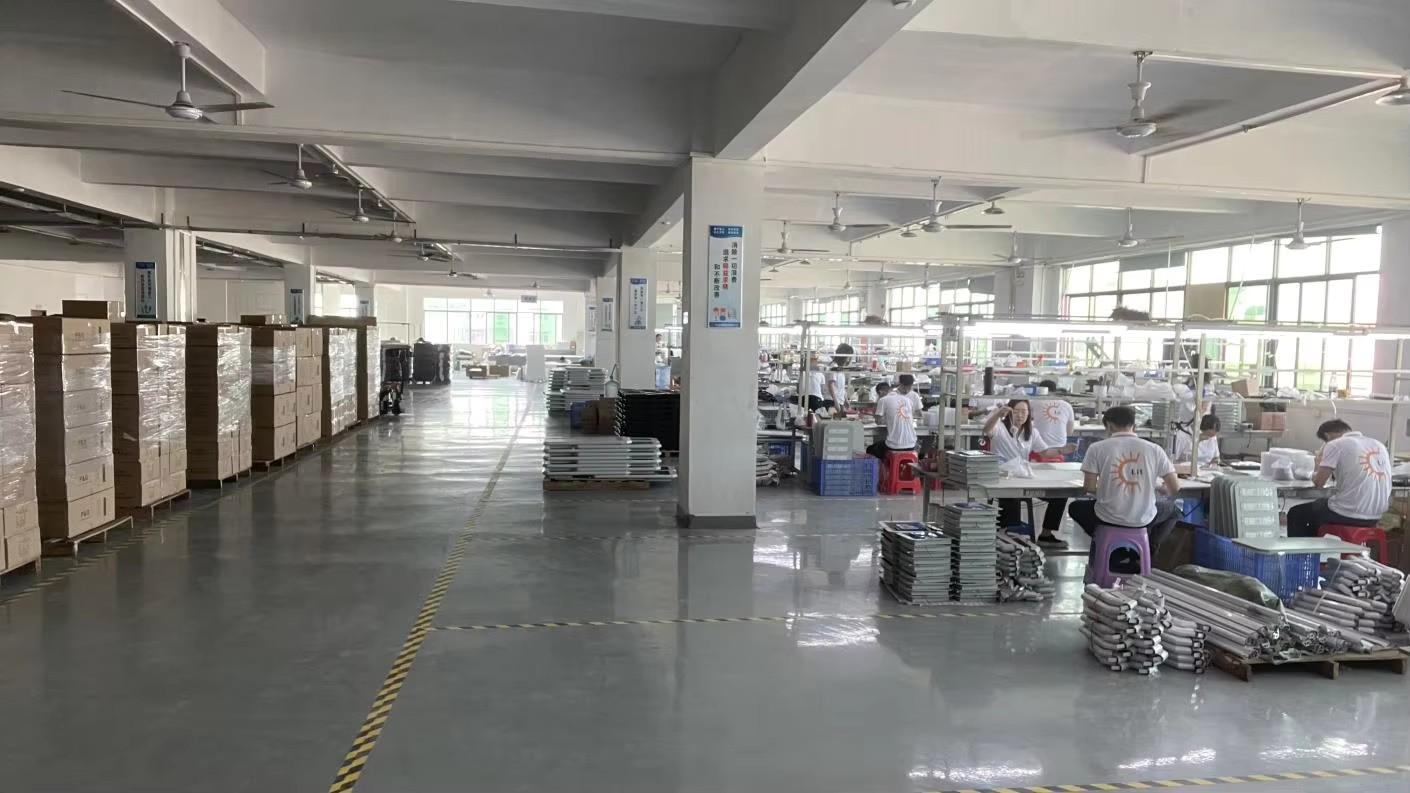
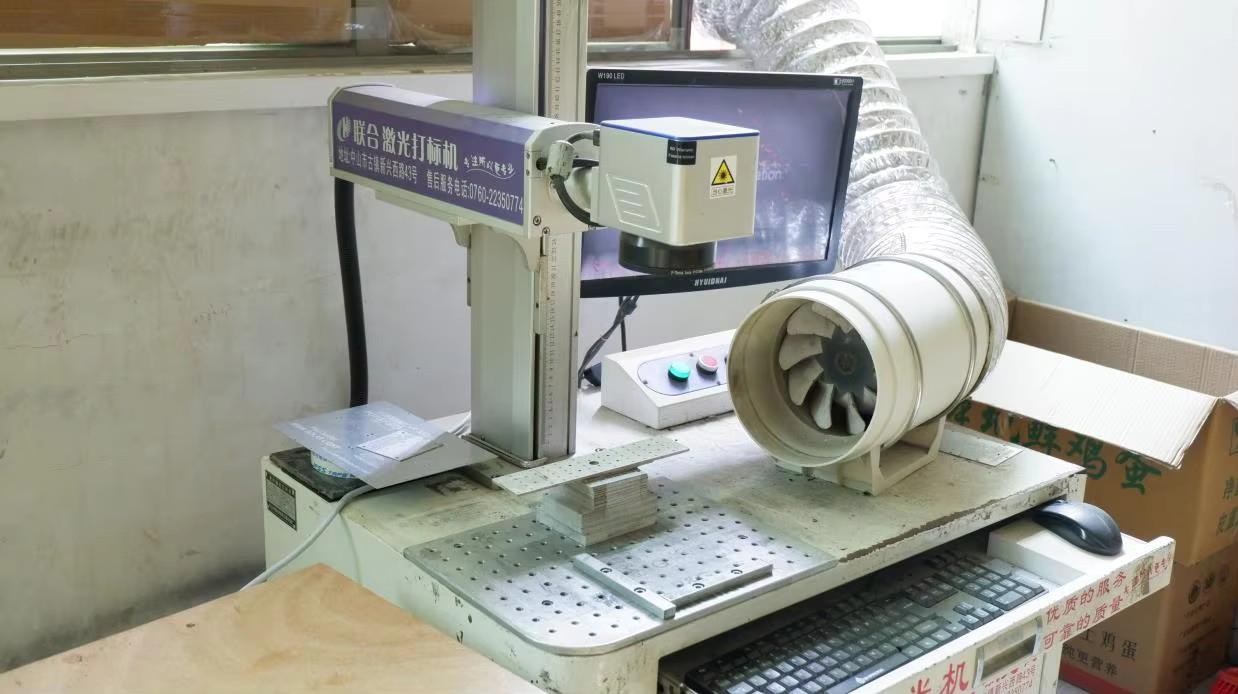
By managing every stage of manufacturing—from raw solar cell configuration and laser etching to EL testing and long-run thermal aging—Zeteo Light controls quality at every step, minimizing field failures and ensuring optimal performance.
Our engineering team develops customized solar modules, tailor-made battery configurations, and custom housing designs to meet specific branding requirements, mechanical challenges, or project parameters.
Deploying energy storage products in public areas requires adhering to local safety and electrical compliance regulations. Commercial properties must ensure their solar installations carry the necessary certifications to meet local liability standards. At Zeteo Light, all solar market umbrella components, post lights, and smart floodlights undergo testing under extreme conditions.
We test for high wind-load ratings, thermal expansion resistance in structural joints, and salt spray exposure, which is critical for coastal resorts. By securing certifications such as TUV, CE, IEC, CEC, MCS, and CQC, Zeteo Light ensures its products comply with local municipal codes and utility safety regulations worldwide.
The next generation of solar outdoor lighting will feature enhanced integration with smart technologies. Our development path focuses on three key areas:
Discover our range of highly reliable, split-type, and integrated outdoor luminaires designed for public and private projects.
Clear, direct answers to common questions about engineering, shipping compliance, and system specs for commercial solar lights.
 Zeteo Light