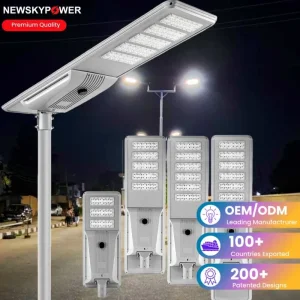
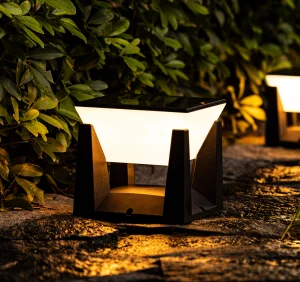
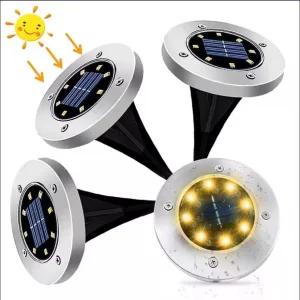
An exhaustive analysis of technological advancements, supply chain dynamics, and factory selection matrices for B2B procurement professionals.
The global energy landscape is undergoing a monumental shift towards decentralized, renewable-powered utilities. Within this transition, solar landscape lighting has evolved from basic domestic yard markers to high-performance, municipal-grade infrastructure components. Today, corporate environmental, social, and governance (ESG) mandates, coupled with soaring urban utility costs, have placed solar illumination at the forefront of modern architectural design and civil planning.
Modern architectural projects demand not only high luminous efficacy but also comprehensive structural longevity. Solar pathway systems, architectural post-top luminaires, and intelligent outdoor floodlights now integrate deep-cycle Lithium Iron Phosphate (LiFePO4) batteries and advanced Microcontroller Unit (MCU) systems to manage charging profiles and discharge cycles efficiently. This ensures continuous operations even under multi-day atmospheric overcast situations, bridging the gap between design aesthetics and structural dependability.
By shifting to solar-powered pathways and municipal lighting, contractors and municipalities eliminate installation trenches, copper wire costs, and grid energy tariffs entirely. This directly yields a substantial reduction in Scope 1 and Scope 2 carbon footprints, allowing developments to qualify for prestigious international green building accolades, such as LEED and BREEAM certifications.
The global dominance of Chinese factories in the solar value chain is not merely a result of labor cost dynamics, but rather the consequence of highly consolidated industrial clustering, vertical component integration, and massive investments in high-precision automation. Advanced manufacturing hubs, particularly in coastal manufacturing zones like Jiangsu province, offer direct proximity to semiconductor suppliers, lithium refining facilities, high-transparency glass casting houses, and aluminum extrusion mills.
This localized supply chain architecture eliminates international transit friction during component assembly, reducing time-to-market and shielding global buyers from logistics-related supply chain disruptions. Furthermore, state-of-the-art Chinese solar lighting factories feature highly integrated automated lamination lines, high-throughput robotic assembly systems, and automated optical inspection (AOI) technology. As a result, unit consistency is maximized, minimizing defects and ensuring every piece meets rigorous international standards.
Wuxi Zeteo Light Co., Ltd. is a professional high-tech enterprise specializing in the research, development, manufacturing, and sales of solar photovoltaic products and energy storage solutions.
By introducing advanced automatic production lines and precision testing equipment from around the world, Zeteo Light has established a modern manufacturing system with strict quality control standards. The annual production capacity of photovoltaic modules has reached 3GW, while the annual capacity of energy storage batteries exceeds 1GWh, enabling us to provide stable and efficient products to customers worldwide.
Since its establishment, Zeteo Light has adhered to the philosophy of precision manufacturing and continuous innovation. The company has gradually built a comprehensive vertical industrial chain covering solar cell technology, PV module manufacturing, energy storage integration, solar system engineering, and smart energy applications. Our experienced engineering team also provides customized OEM & ODM services, helping clients meet different market demands and project requirements.
To ensure product quality and international market compliance, Zeteo Light has obtained multiple international certifications, including ISO9001, ISO14001, ISO45001, TUV, CE, IEC, CEC, MCS, CQC, and other authoritative certifications. Our products have been widely exported to more than 100 countries and regions across Europe, South America, Southeast Asia, the Middle East, Africa, and Oceania, earning strong trust and recognition from global customers and partners.
With a strong commitment to green energy development and sustainable growth, Zeteo Light continuously invests in technological innovation, product optimization, and intelligent manufacturing. We are dedicated to delivering high-efficiency, reliable, and environmentally friendly solar energy solutions that contribute to global carbon neutrality and clean energy transformation.
Guided by the mission of “Shared Green Energy, Bright Future Together,” Zeteo Light upholds the core values of “Customer First, Quality Oriented, Integrity Based, and Innovation Driven.” Through professionalism, teamwork, and continuous improvement, we strive to become a leading international provider of solar and energy storage solutions, offering one-stop clean energy services for customers around the world.
Production reliability and consistent performance are achieved through meticulous, multi-stage processing. Below is a comprehensive look into Wuxi Zeteo Light’s state-of-the-art production pipeline, illustrating how every raw component is transformed into a high-performance, weather-resilient luminaire system:
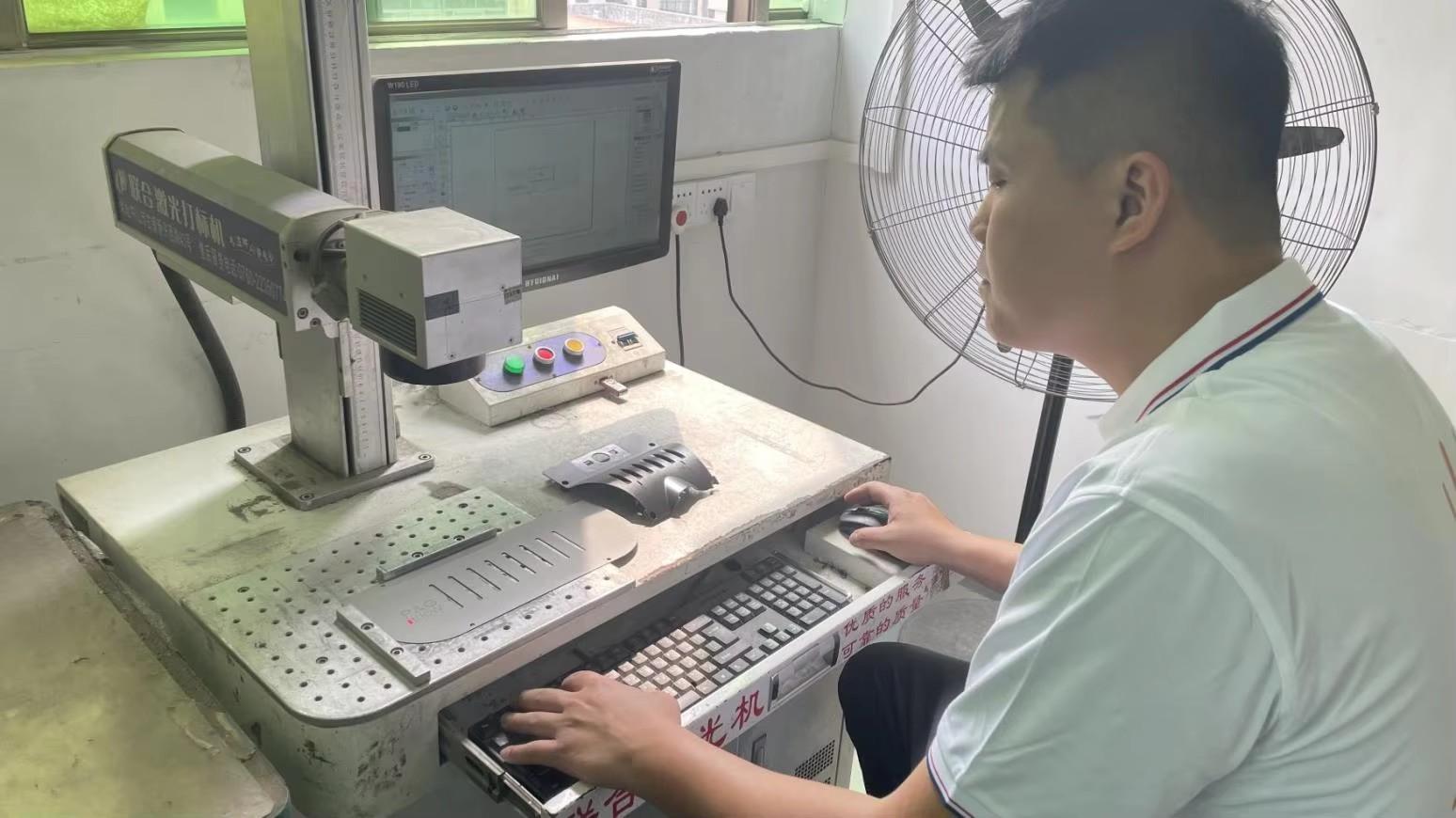
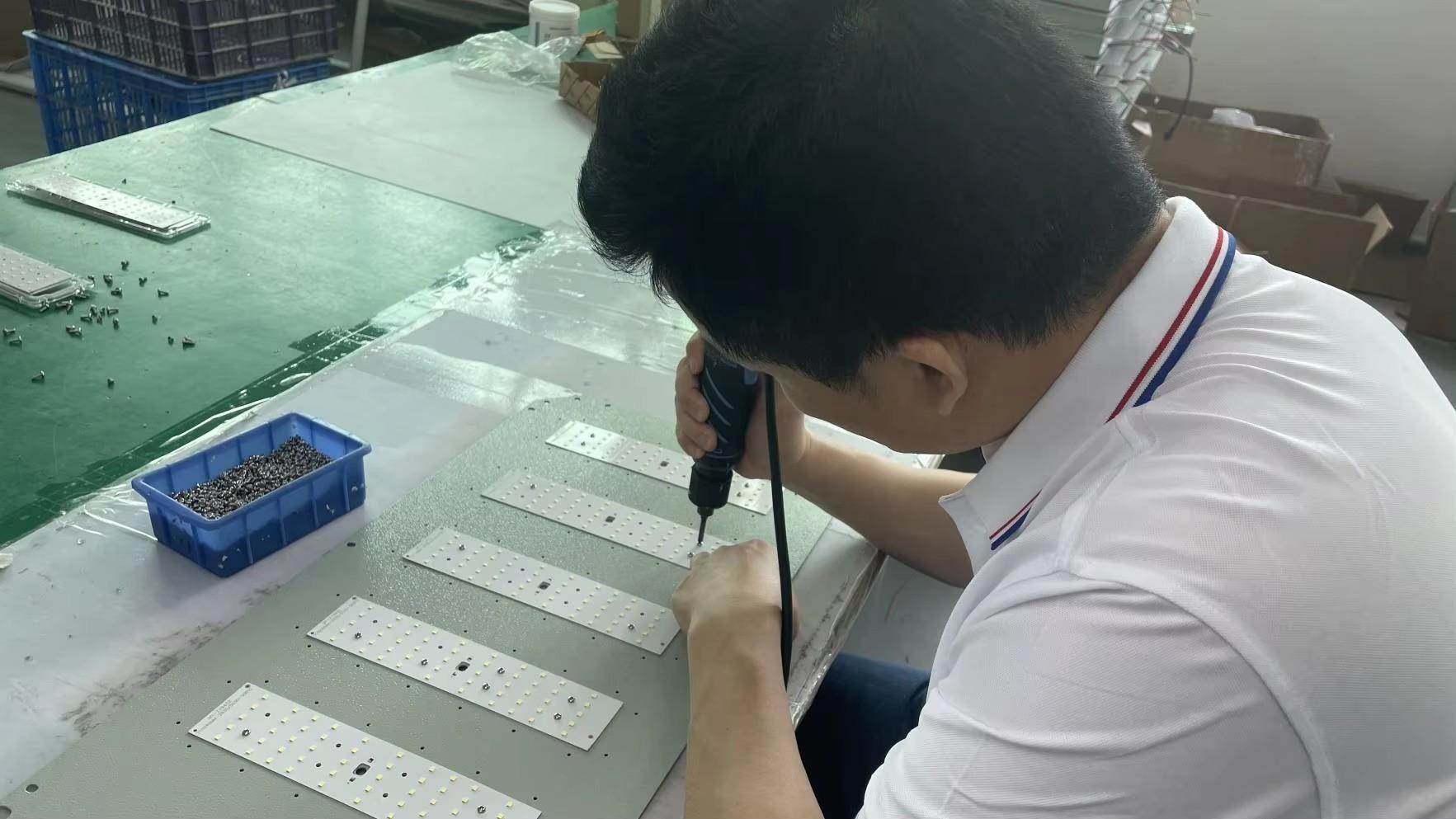
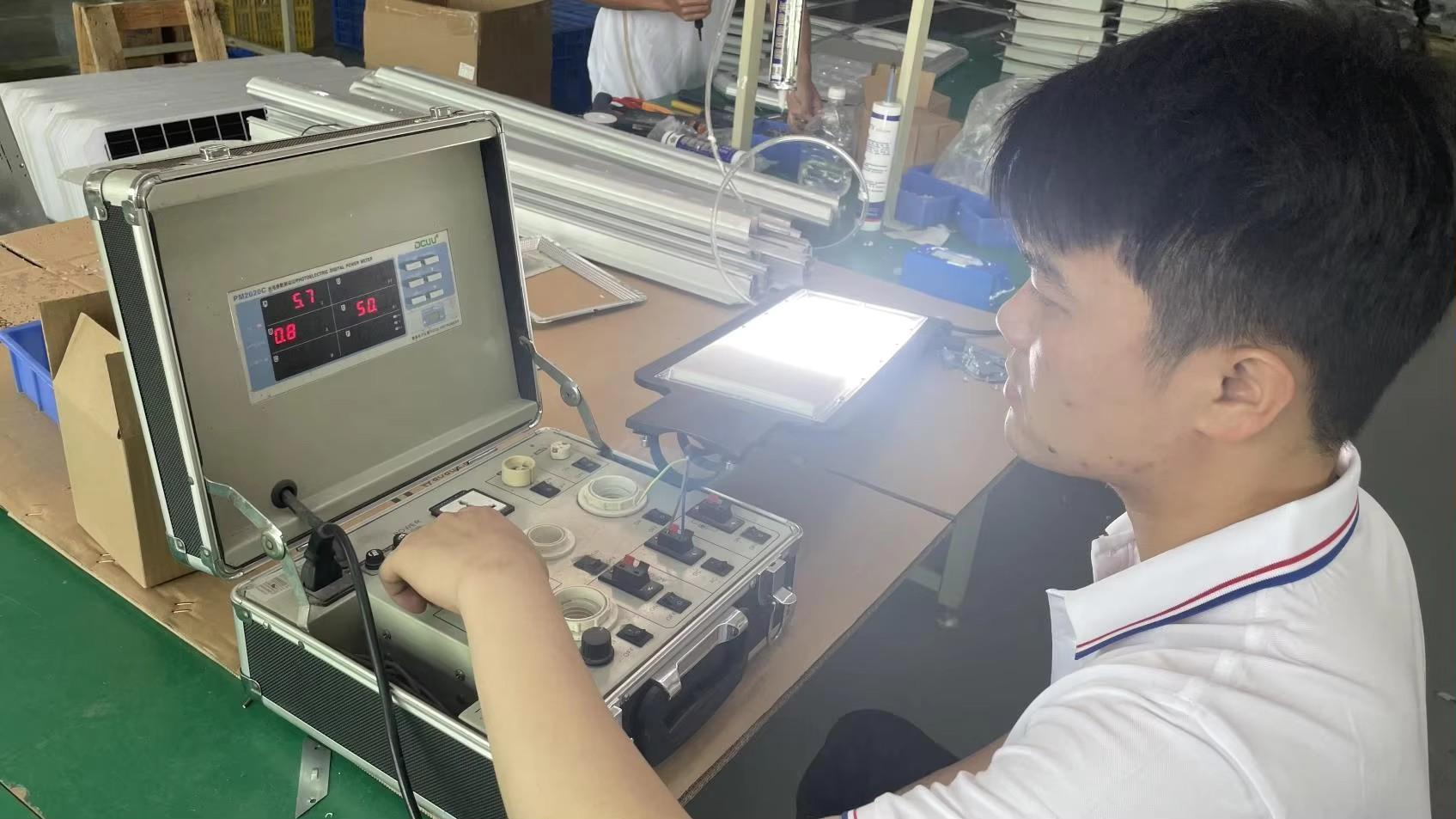
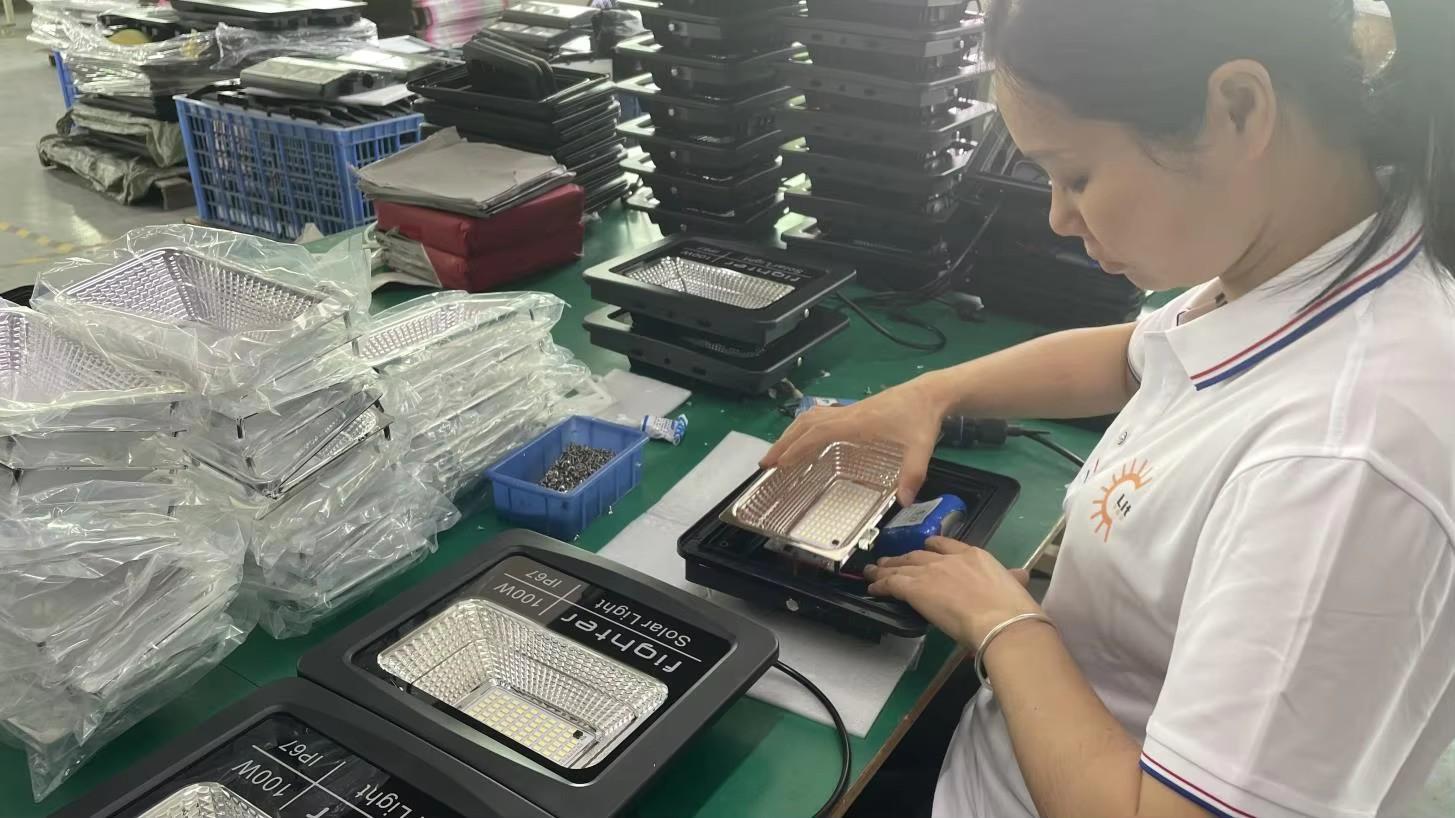
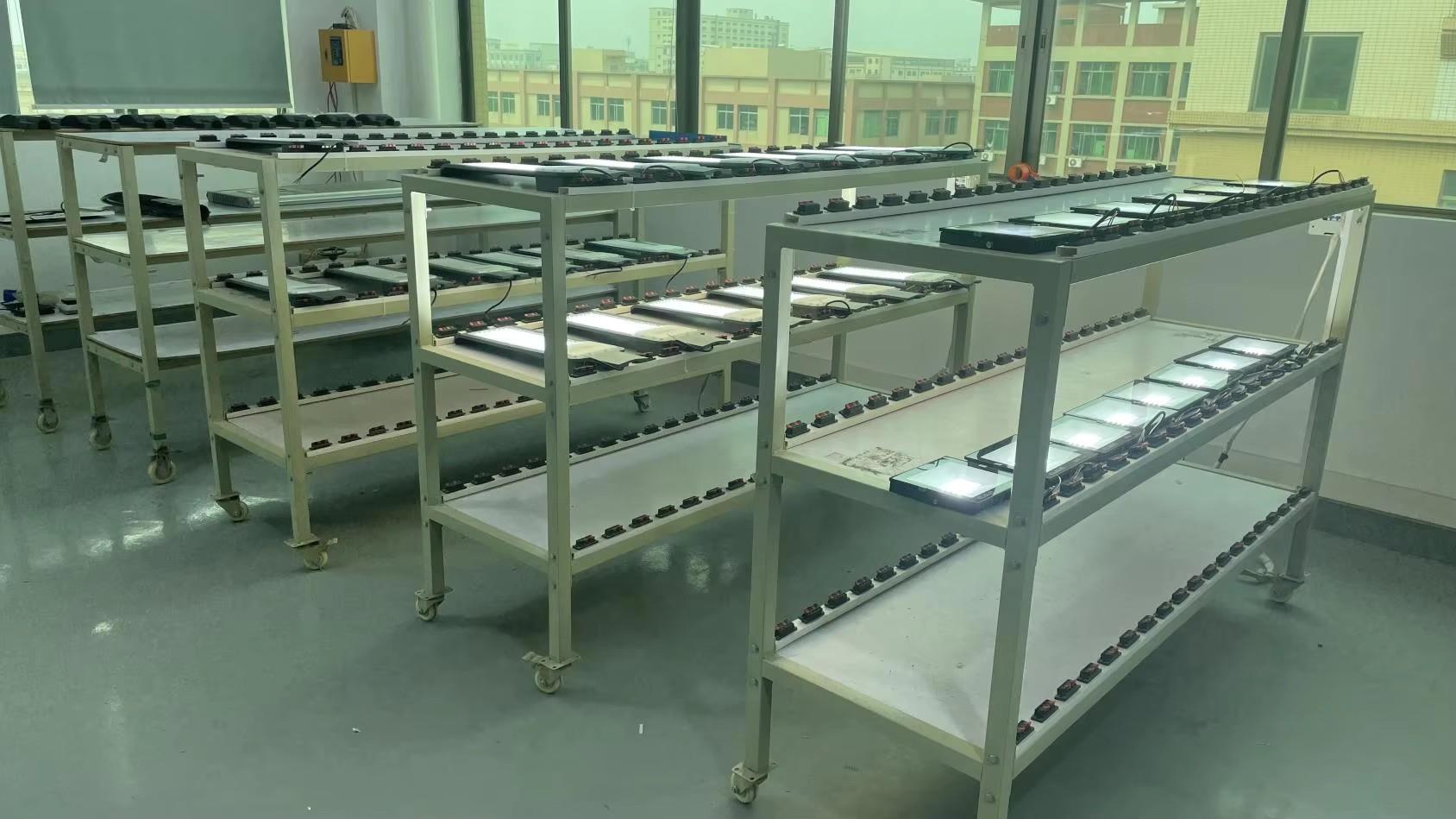
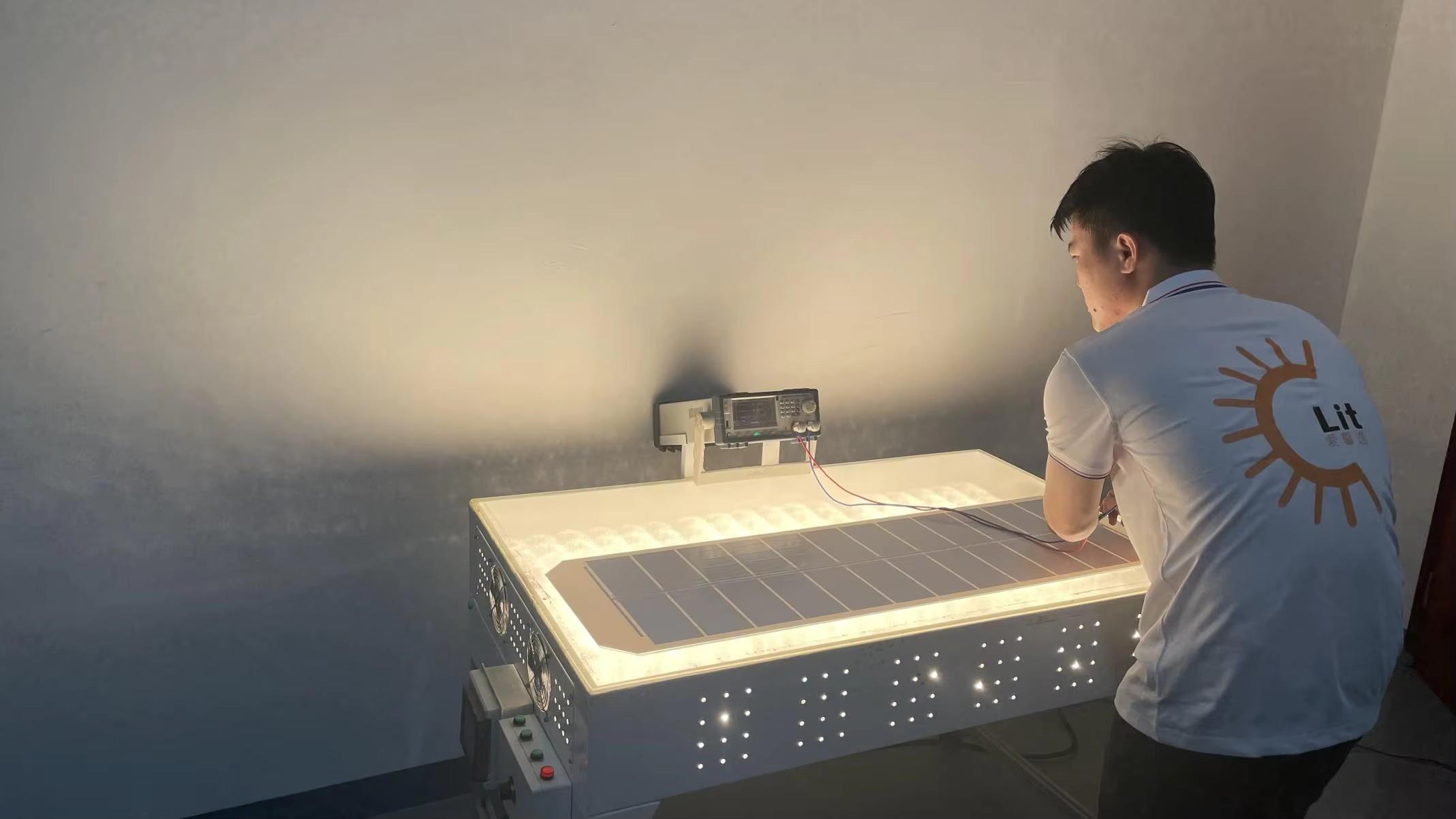
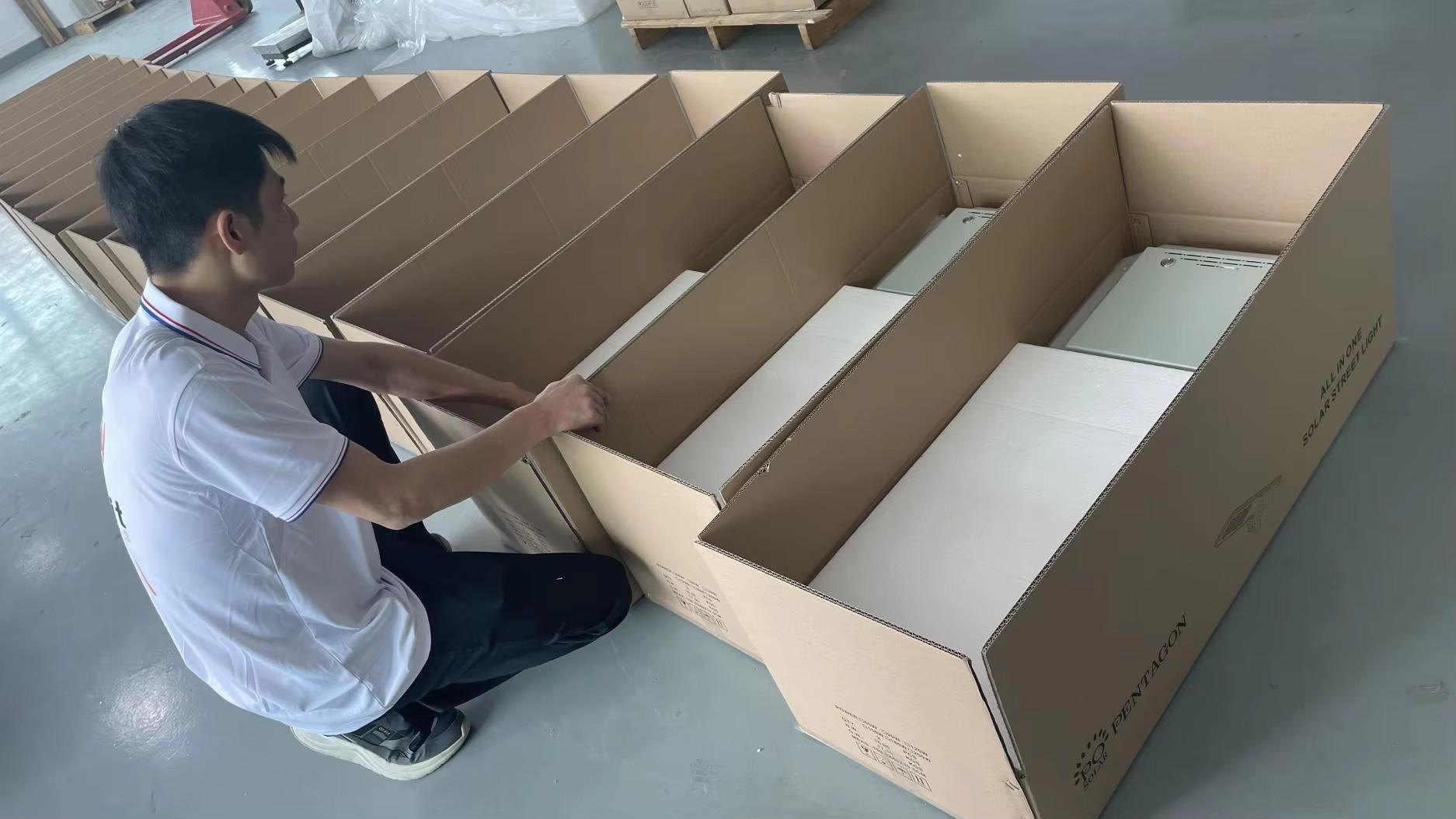
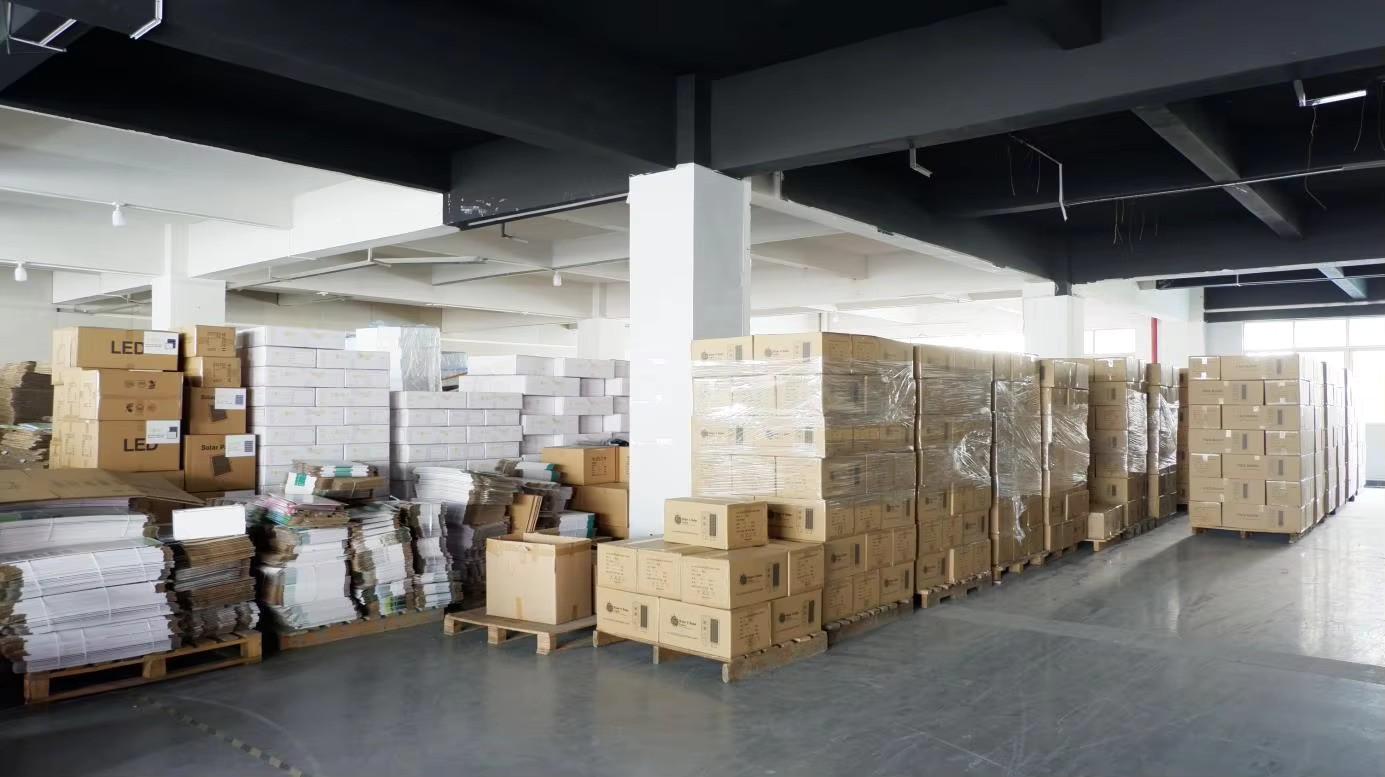
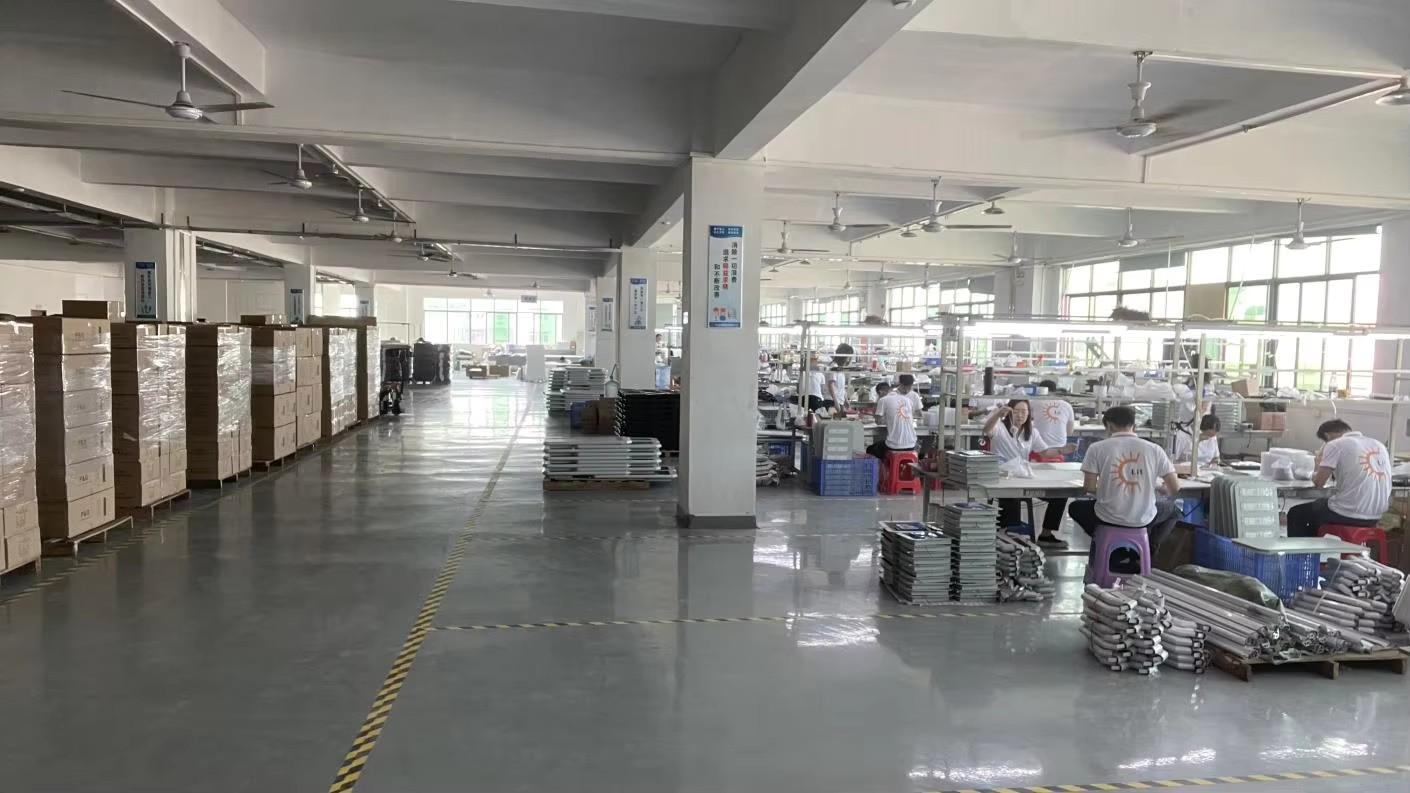
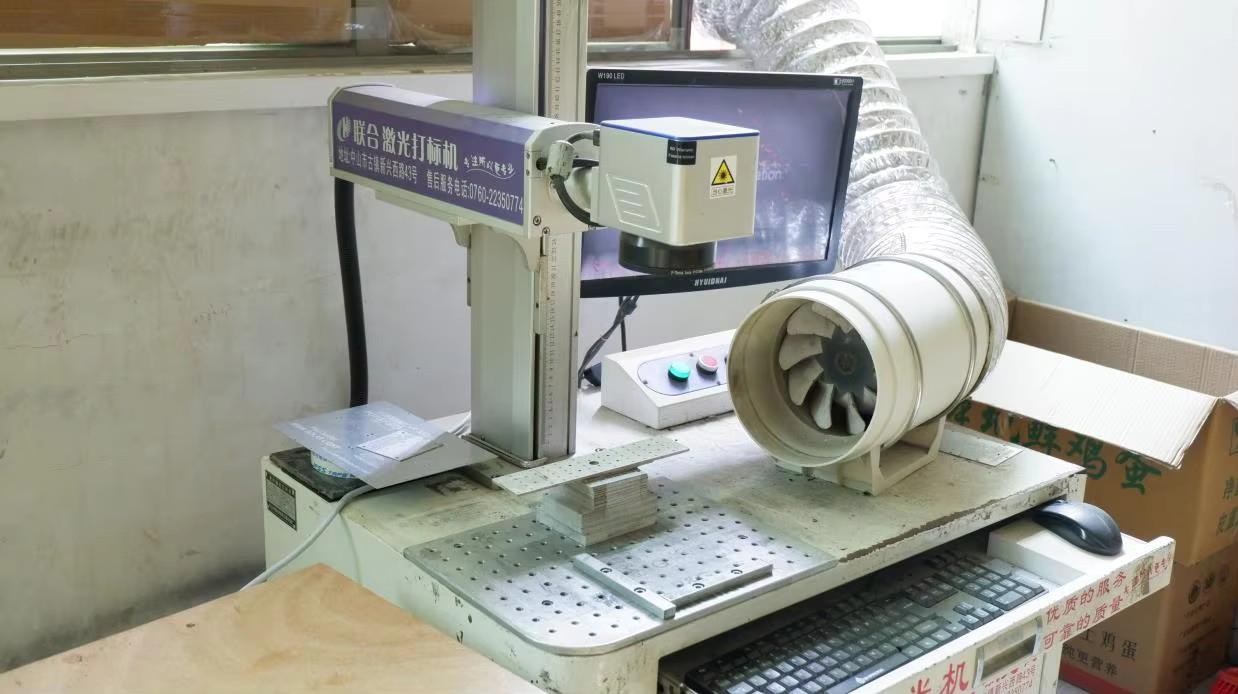
This systematic workflow ensures that every batch maintains uniform mechanical integrity. By prioritizing key tests—such as EL Testing to eliminate microscopic PV micro-cracks and extensive Aging Testing—we guarantee that our shipments can withstand harsh outdoor elements for years without drop-off in structural or lumen output performance.
Solar lighting systems must operate reliably across diverse climatic zones and localized outdoor contexts. Designing a standard model for global distribution fails to address regional environmental variations. Experienced engineering departments adapt fixture parameters to suit the thermal, atmospheric, and architectural demands of specific localized installations:
The solar landscape lighting industry is transitioning from passive luminaire systems to highly integrated, intelligent utility platforms. Keeping pace with these rapid changes is critical for sourcing directors and engineers looking to specify durable, future-proof hardware:
Procuring commercial-grade solar lighting involves evaluating more than just the cost per unit. Experienced global sourcing teams utilize a multi-layered evaluation matrix to ensure consistent performance and lower total cost of ownership (TCO) across projects:
| Evaluation Pillar | Key Sourcing Metrics | Target Standards |
|---|---|---|
| Photovoltaic Conversion | Cell efficiency, low-light absorption capacity, and lamination quality. | >22% Monocrystalline Efficiency |
| Battery Chemistry | LiFePO4 thermal stability, deep cycle performance, and charge cycles. | >2000-3000 Cycles @ 80% DoD |
| Environmental Protection | Ingress protection rating and salt-spray corrosion resistance. | IP65 / IP66 / IP67 Certified |
| International Compliance | Third-party structural safety and component compliance audits. | TUV, CE, IEC, CQC |
 Zeteo Light