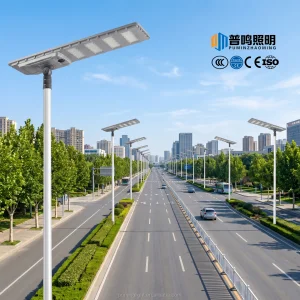
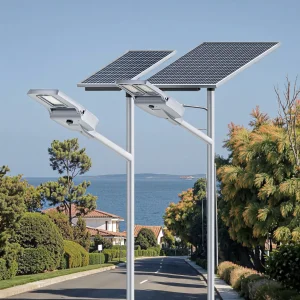
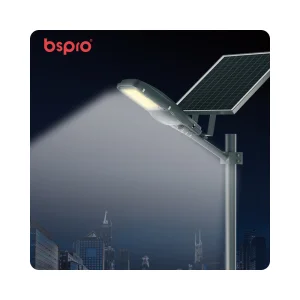
Engineered specifically to survive the desert winds of Keren, the extreme humidity of Massawa, and the high-elevation solar radiation of Asmara.
Understanding the unique environmental challenges and regulatory mandates for off-grid lighting in Northeast Africa.
Eritrea, situated along the Horn of Africa, boasts an exceptional solar energy resource profile, with an average daily solar radiation of 5.5 to 6.2 kWh/m² and over 320 clear sunny days per year. Despite this immense potential, the national grid is highly centralized, leaving municipal, rural, and industrial logistics sectors highly dependent on decentralized, off-grid infrastructure. For public safety, urban modernization, and industrial ports (like Massawa and Assab), the integration of solar street lighting has transformed from an environmental option into a developmental necessity.
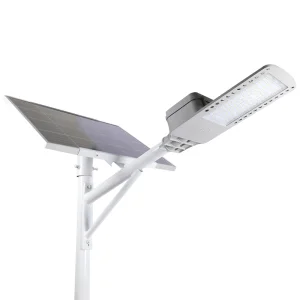
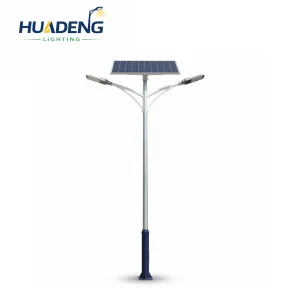
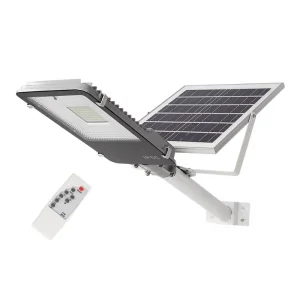
This is where the Split Solar Street Light configuration becomes crucial. By physically separating the solar photovoltaic module from the LED fixture and battery pack, thermal radiation from the solar panel is isolated. The battery housing can either be installed underground in protective double-walled HDPE polymer containment vessels or shaded beneath the panel assembly. This design drastically reduces cell-operating temperatures, maximizing the operational lifespan of the system.
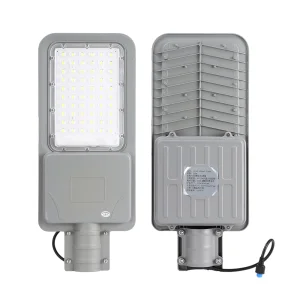
Engineered with advanced external thermal heat sinks to prevent thermal runaway in desert climates.
Adjustable panel inclination (0° to 60°) facilitates dust runoff, combating sand accumulation from the Sahara.
Die-cast aluminum housings treated with powder coatings compliant with ISO 12944 C5-M marine-grade requirements.
Why industrial projects in Asmara, Massawa, and Keren specify Split Solar Street Lights over integrated options.
| Parameter / Feature | Split Solar Street Light (Zeteo Design) | All-in-One Solar Street Light | Engineering Impact on Eritrea Projects |
|---|---|---|---|
| Thermal Management | Separated housing. Battery buried or shaded behind panel. Operating temp <35°C. | Battery directly below solar panel. Heat reaches >65°C. | Increases LiFePO4 battery life from 2 years to 8+ years under Red Sea coastal heat. |
| Solar Yield (PV Angle) | Fully adjustable 360° rotation and 0-60° elevation brackets. | Fixed matching the orientation of the pole and arm. | Maximizes solar harvesting by aligning with Eritrea's latitude (approx. 15° N). |
| Wind Resistance | Heavy aerodynamic separate mounting brackets. Dynamic load calculated up to 45m/s. | Sails-effect due to wide, fixed surface area of integrated body. | Crucial for coastal areas like Assab subject to high seasonal maritime wind gusts. |
| Maintenance & Upgrades | Independent component modular swap-out. Easy wiring replacement. | Must take down the entire unit to service internal PCBs or cells. | Minimizes downtime and long-term O&M costs for public infrastructure departments. |
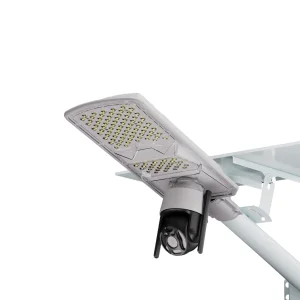
| Camera/Sensor Integration | Supports auxiliary devices (CCTV, environment sensors) on same pole with separated battery lines. | Limited load ability due to constrained internal battery housing volume. | Perfect for Smart City initiatives in Asmara and border security monitoring. |
Wuxi Zeteo Light Co., Ltd. – Delivering Tier-1 Solar Engineering Excellence from China to Eritrea
Wuxi Zeteo Light Co., Ltd. is a professional high-tech enterprise specializing in the research, development, manufacturing, and sales of solar photovoltaic products and energy storage solutions.
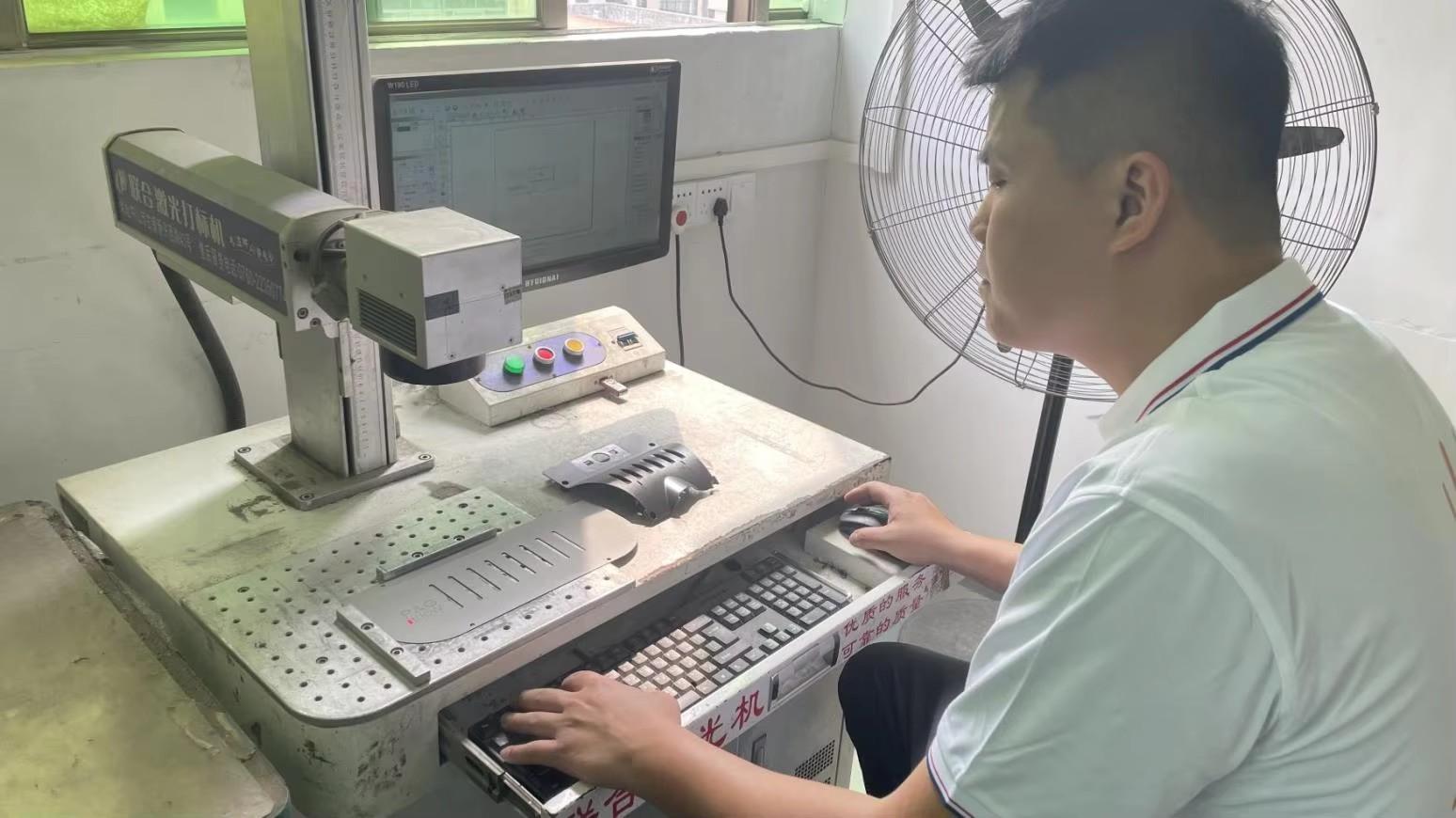
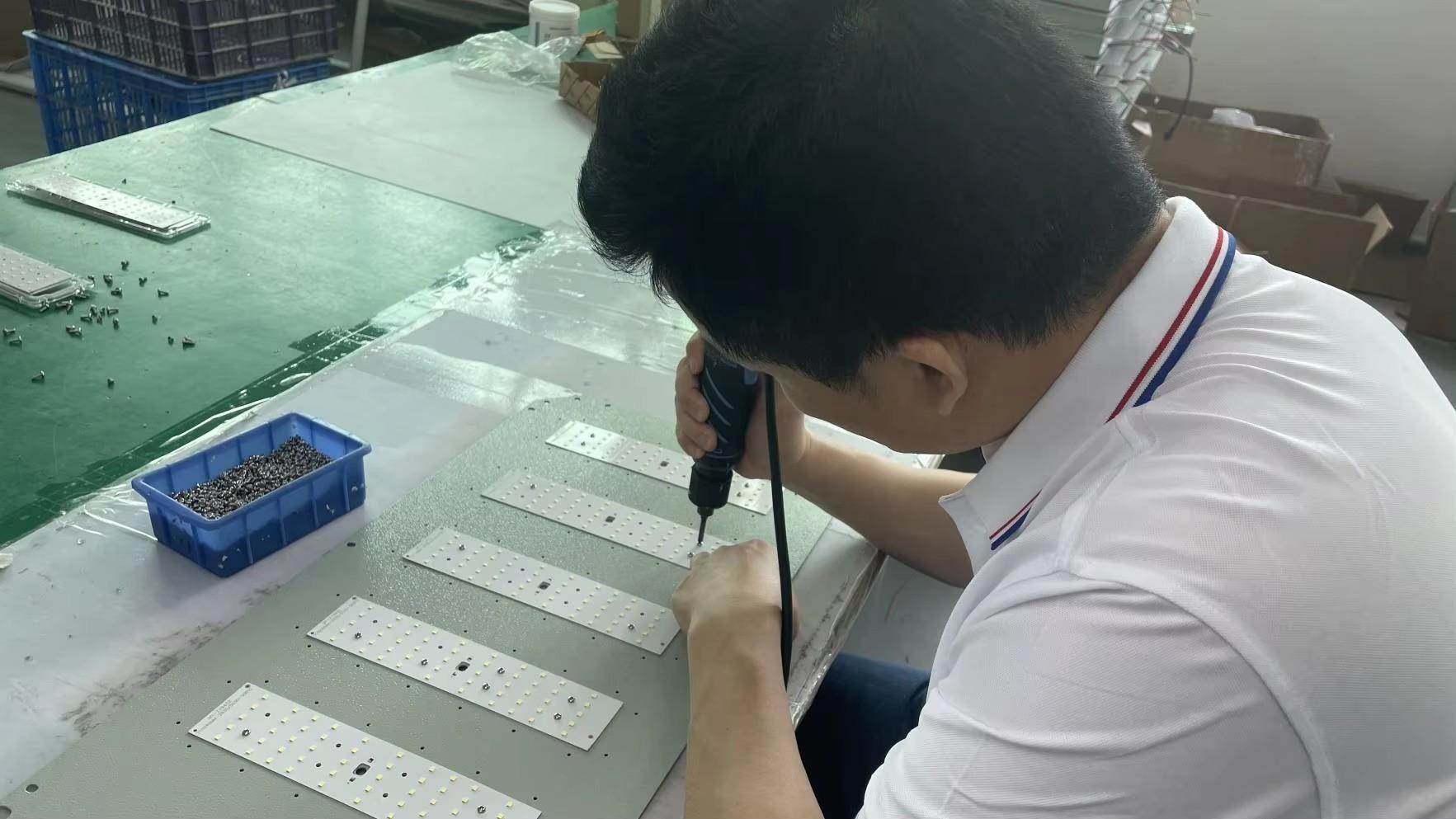
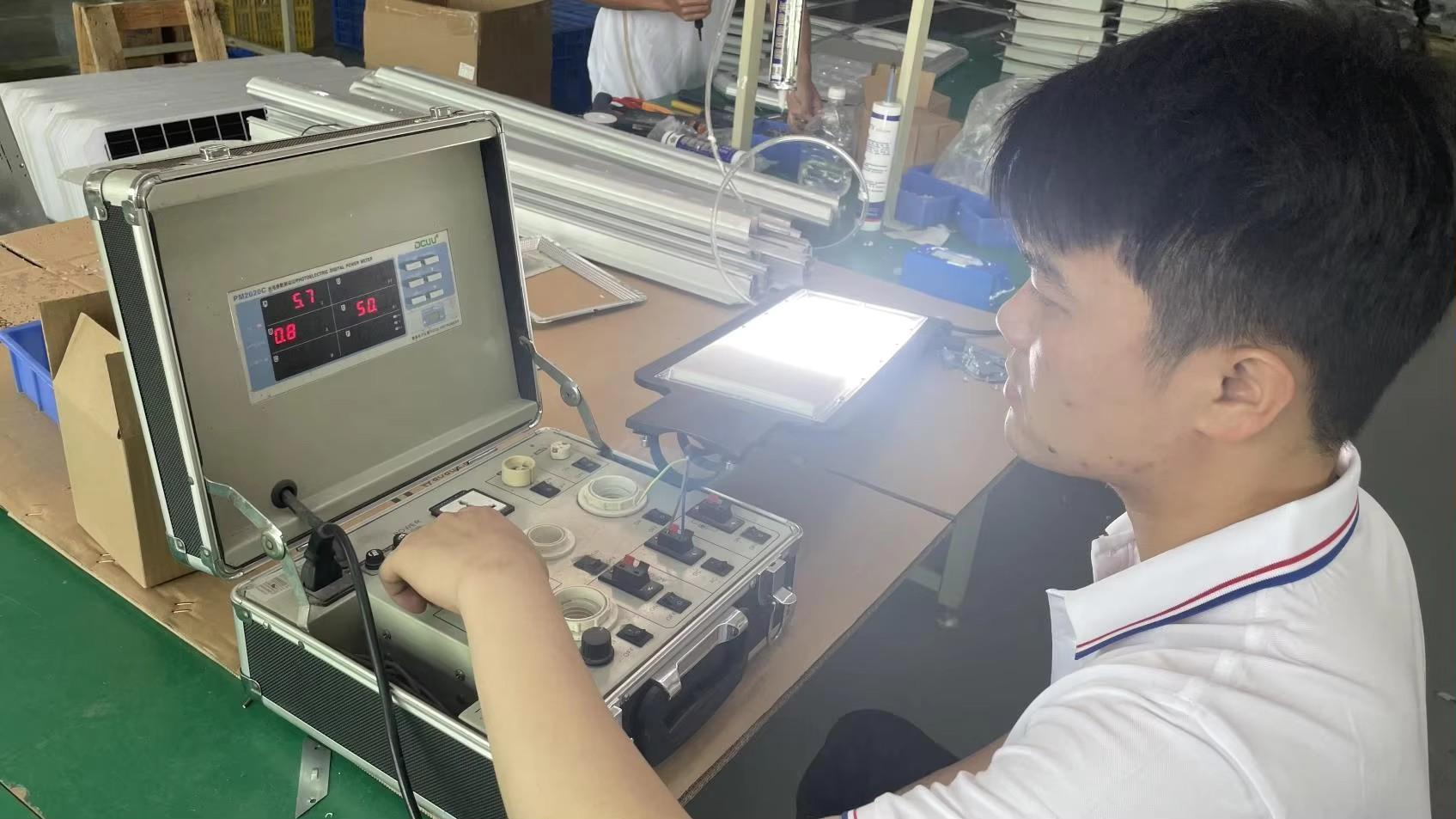
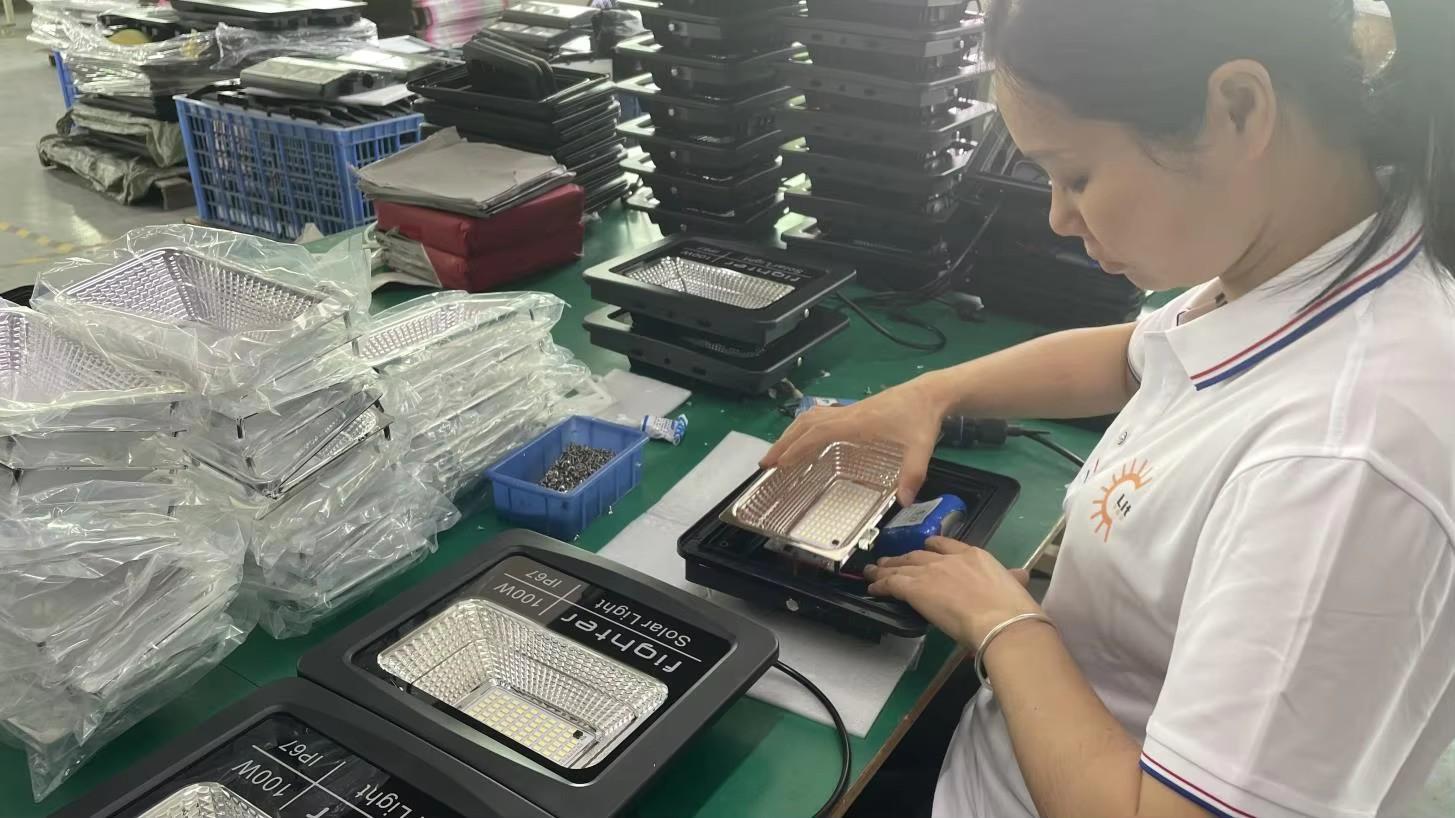
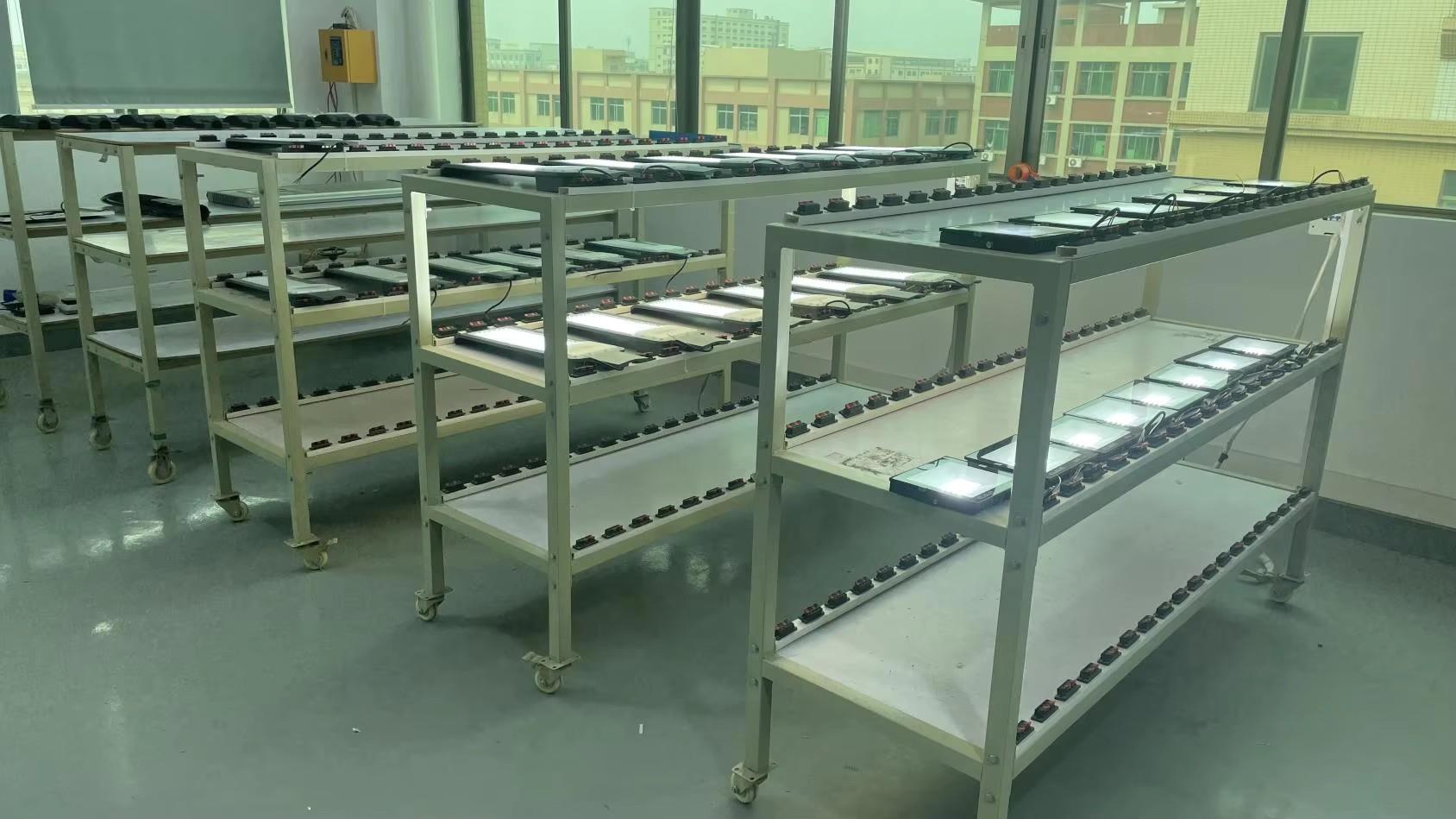
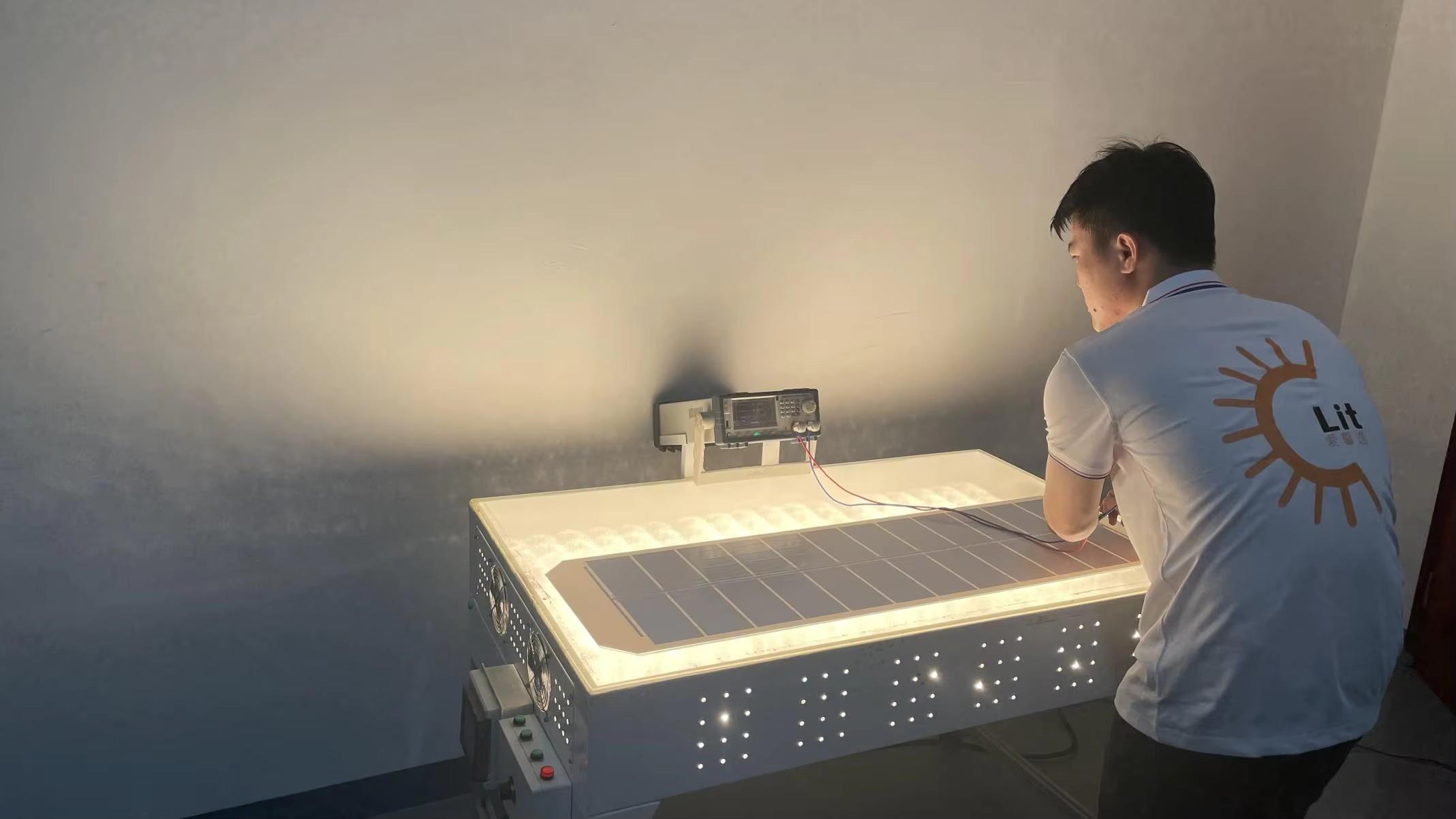
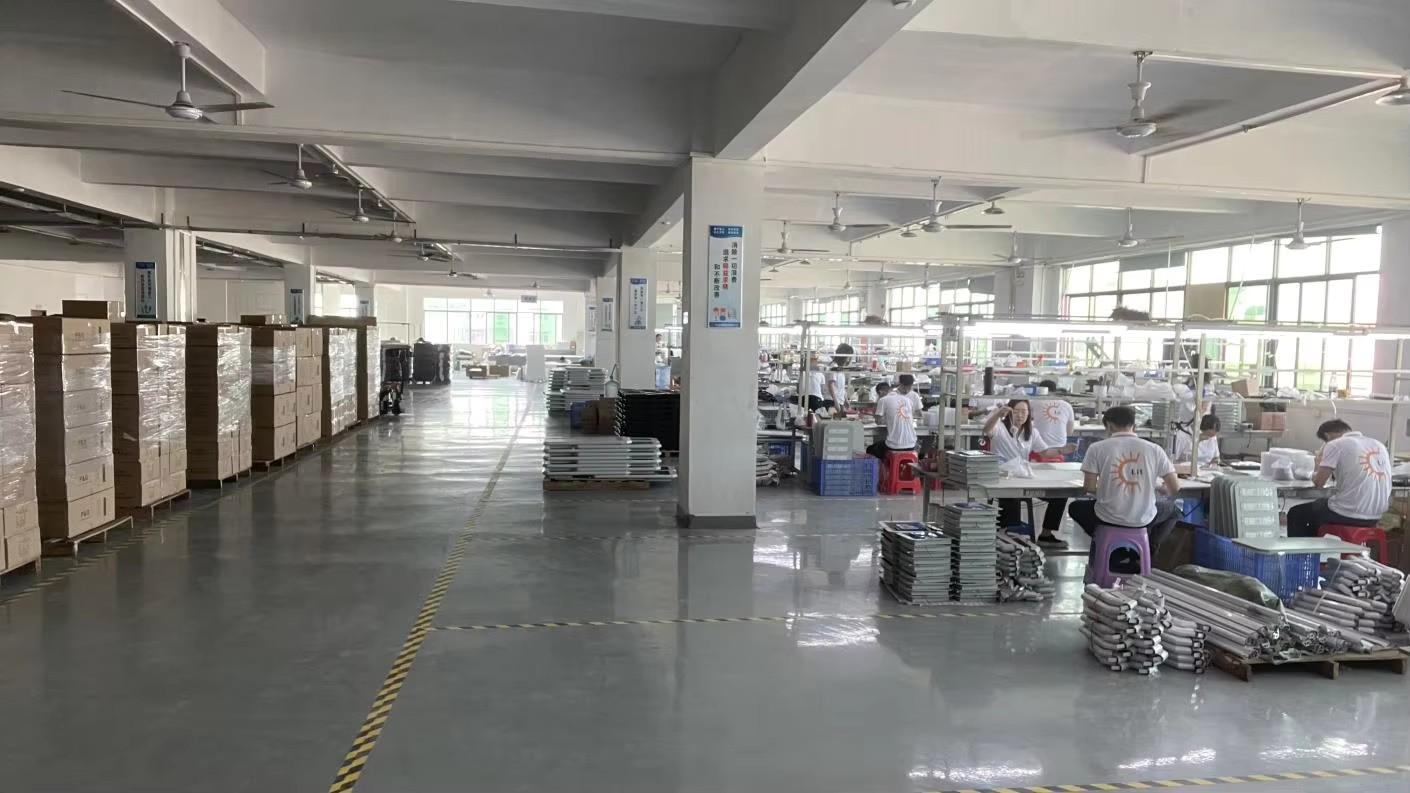
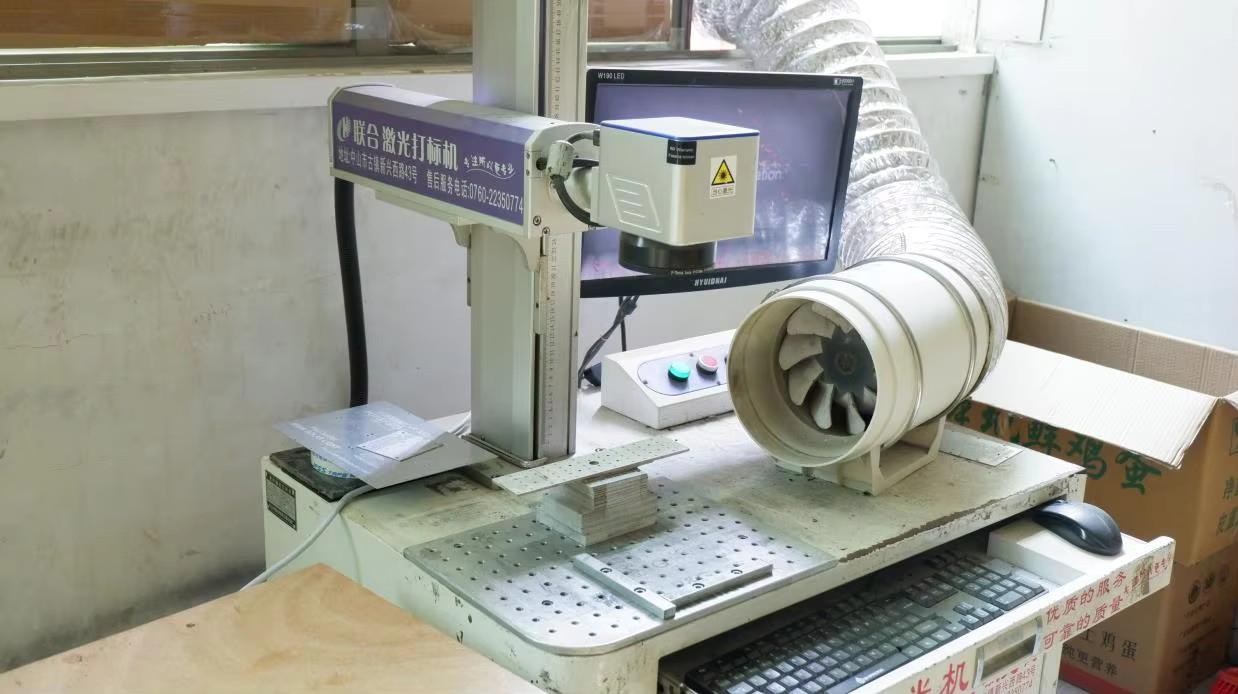
By introducing advanced automatic production lines and precision testing equipment from around the world, Zeteo Light has established a modern manufacturing system with strict quality control standards. The annual production capacity of photovoltaic modules has reached 3GW, while the annual capacity of energy storage batteries exceeds 1GWh, enabling us to provide stable and efficient products to customers worldwide.
Since its establishment, Zeteo Light has adhered to the philosophy of precision manufacturing and continuous innovation. The company has gradually built a comprehensive vertical industrial chain covering solar cell technology, PV module manufacturing, energy storage integration, solar system engineering, and smart energy applications. Our experienced engineering team also provides customized OEM & ODM services, helping clients meet different market demands and project requirements.
Every light is built to exceed CE, TUV, and ISO9001 quality audits prior to dispatch to East African ports.
Custom configurations mapped out for localized climatic regions.
Climatic Zone: Highlands (2,325m above sea level). High solar UV flux, cool nights.
Engineering Strategy: Use Mono-Si solar cells optimized for diffuse UV scattering and high-voltage MPPT controllers to harvest energy efficiently during brief afternoon clouds. LiFePO4 cells are optimized for cooler night discharge cycles.
Climatic Zone: Semi-arid coastal desert. Temperatures up to 48°C, heavy sea-mist and salt-crust corrosion.
Engineering Strategy: Separate design with solar panels angled to allow condensation to wash away wind-blown sand. Grade 6063-T6 aluminum light poles, hot-dip galvanized and powder coated to stop salt rust.
Climatic Zone: Rural savannah & hot lowlands. Zero access to grid, low infrastructure security.
Engineering Strategy: Split solar street lights with vandal-proof underground battery storage boxes. Integrates intelligent microwave motion sensors to dim lighting to 30% when roads are empty, stretching backup battery duration to 5 continuous rainy days.
Meeting requirements for international tenders and government infrastructure projects.
To ensure product quality and international market compliance, Wuxi Zeteo Light Co., Ltd. has obtained multiple international certifications, including ISO9001, ISO14001, ISO45001, TUV, CE, IEC, CEC, MCS, CQC, and other authoritative certifications. Our products have been widely exported to more than 100 countries and regions across Europe, South America, Southeast Asia, the Middle East, Africa, and Oceania, earning strong trust and recognition from global customers and partners.
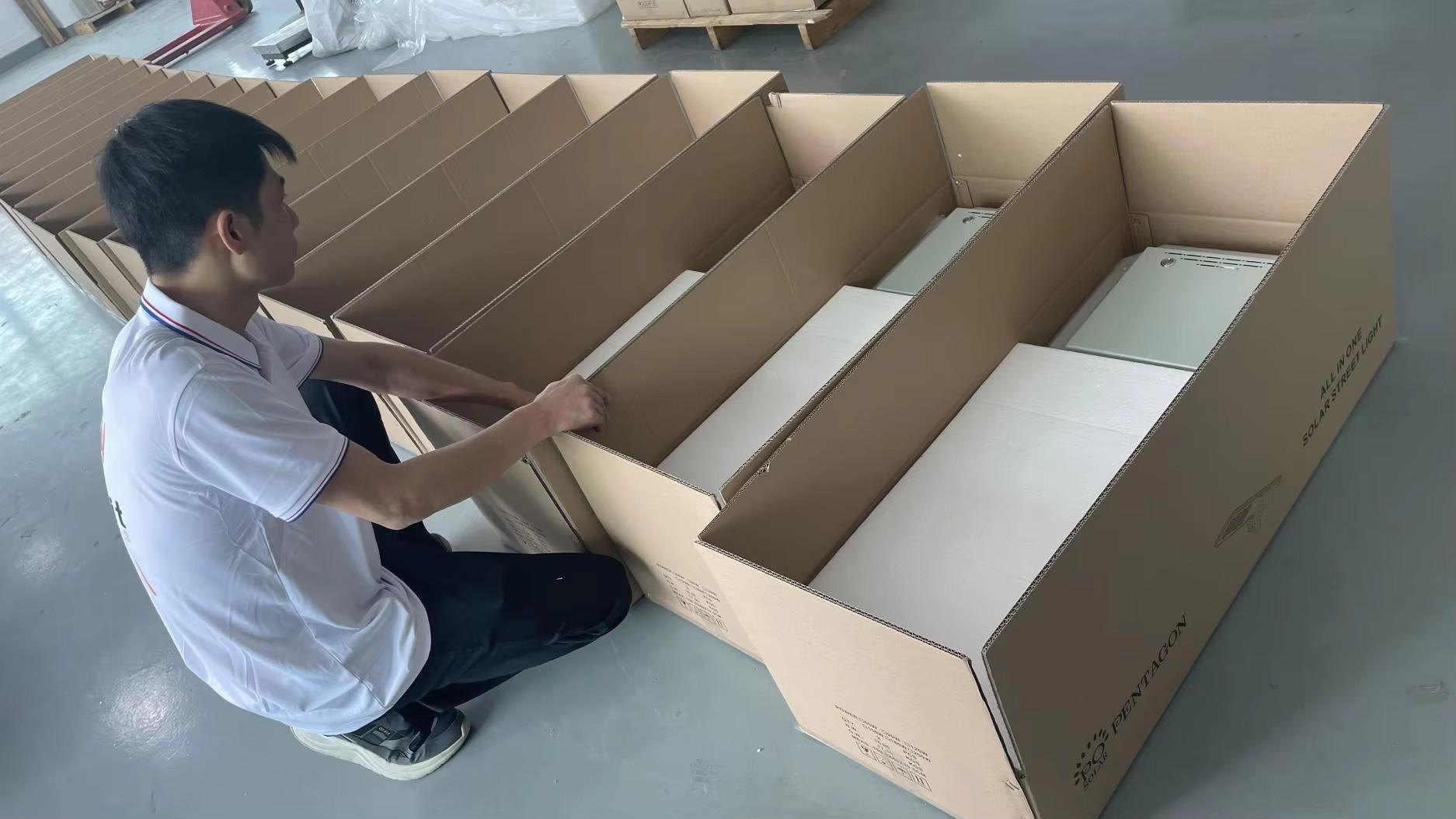
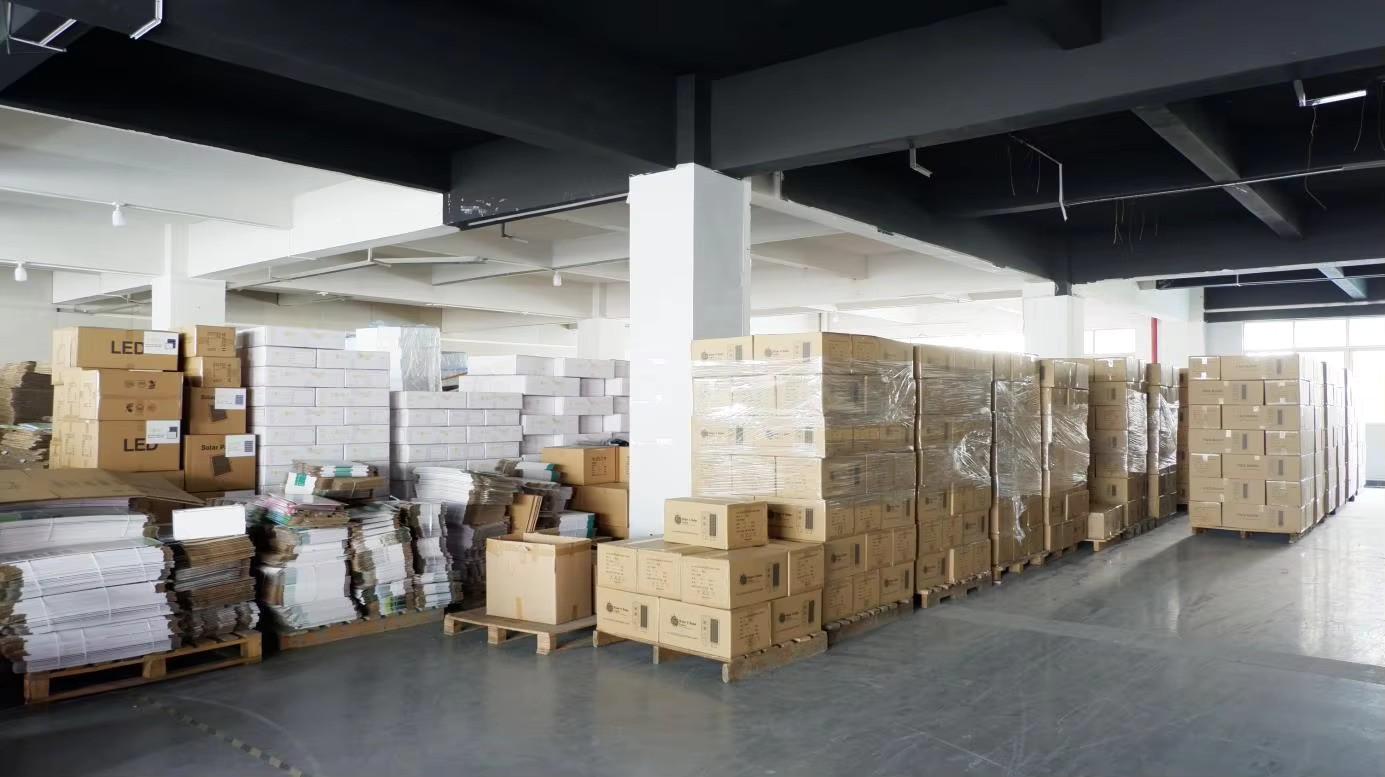
For Eritrea, our procurement operations are designed to match both localized Ministry of Public Works requirements and UN-backed development tenders. This includes comprehensive pre-shipment inspections (PSI), certified certificate of origin filings, and export clearance documentation through the major shipping lanes into the Port of Massawa.
Detailed professional answers on choosing, installing, and maintaining split solar street lights in East African climates.
Browse our full range of professional split and solar lighting systems built for the African continent.
 Zeteo Light